
How does a long reach demolition boom work?
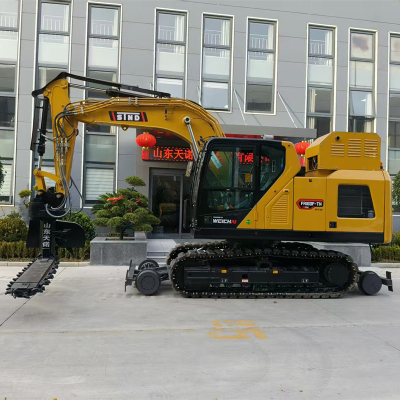
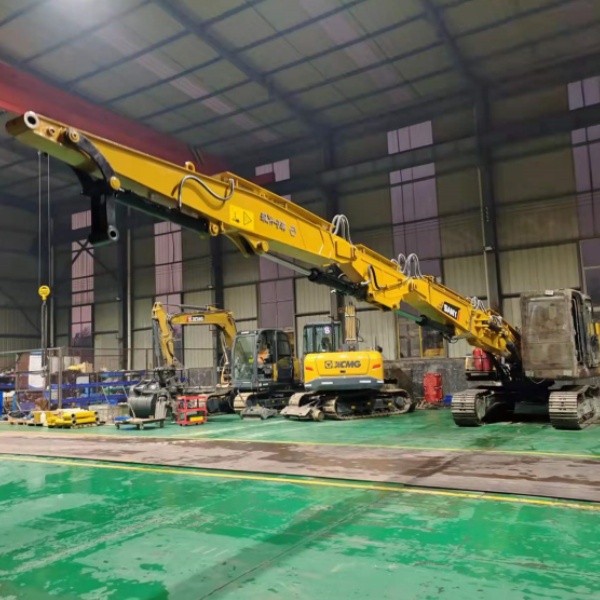
Excavator with long reach for demolition is specialized equipment designed for the safe and efficient demolition of high-rise structures. This innovative attachment enhances the capabilities of standard excavators by allowing operators to dismantle buildings from a safe distance. Using a combination of hydraulic power, precise control and advanced technology, these booms provide controlled demolition of high-rise structures, minimizing risks to workers and the environment.
Hydraulic systems in long reach cranes explained
Pistons and Cylinders: The Force Behind Extension
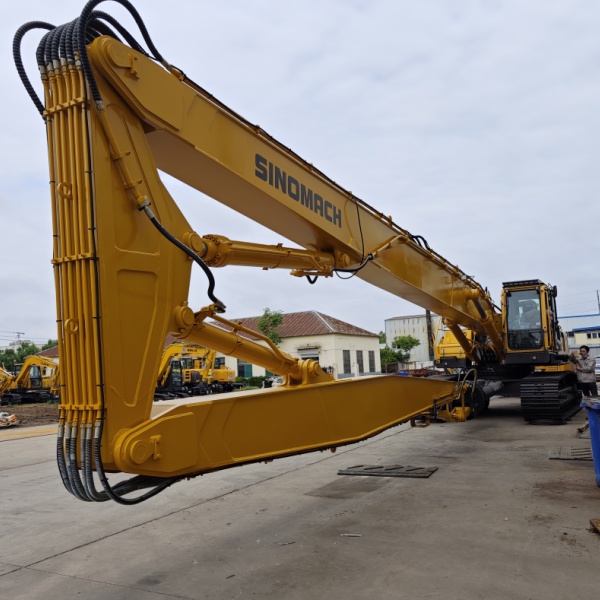
Heartlong reach excavator for demolition - complex hydraulic system. It is built on powerful pistons and cylinders that work in concert to provide the strength and flexibility needed for precise demolition. These components are designed to withstand enormous pressure and provide consistent performance even in difficult conditions.
Pistons, usually made of high-quality steel, move inside the cylinders to create the force needed to extend, retract and maneuver the boom. As hydraulic fluid enters the cylinders, it forces the pistons to create the power needed to lift and position heavy work equipment at high heights. This system allows operators to apply enormous force with amazing precision, allowing them to complete even the most challenging demolition jobs.
Hydraulic fluid flow: hand movement control
A complex network of hoses and valves in the long reach demolition boom controls the flow of hydraulic fluid for smooth, precise movement. This fluid, usually a special oil mixture, serves as a vital part of the system, transferring power from the excavator engine to the various components of the boom.
Advanced control valves regulate the direction and volume of fluid flow, allowing operators to precisely adjust boom position. This level of control is critical when performing complex demolition work or in confined urban environments where precision is paramount. The ability of the hydraulic system to maintain constant pressure throughout the entire range of boom movement ensures stable and reliable operation.
Adjustable pressure for precise demolition
Maintaining optimal hydraulic system pressure is critical to the safe and efficient operation of demolition boom excavators. Sophisticated pressure regulators and relief valves work in tandem to prevent overloads and ensure trouble-free operation under a variety of operating conditions.
These pressure control mechanisms allow the boom to adapt to different loads, be it a heavy hydraulic hammer or a light clamshell attachment. By constantly monitoring and adjusting hydraulic pressure, the system optimizes power output while protecting components from excessive wear and damage. This precise pressure regulation greatly improves the overall efficiency and longevity of the arrow.
Step-by-step demolition process using high-performance manipulators
Site preparation and safety measures
Before any demolition work begins, it's crucial to thoroughly prepare the site. This includes conducting a comprehensive assessment of the structure's condition, identifying potential hazards, and establishing a clear safety perimeter. Environmental considerations, such as dust suppression and debris containment, are also taken into account at this stage.
Safety briefings and equipment checks are conducted to ensure all personnel are familiar with protocols andlong reach demolition excavatoris in optimal working condition. Proper planning at this stage lays the foundation for a smooth and safe demolition process.
Strategic positioning of the excavator
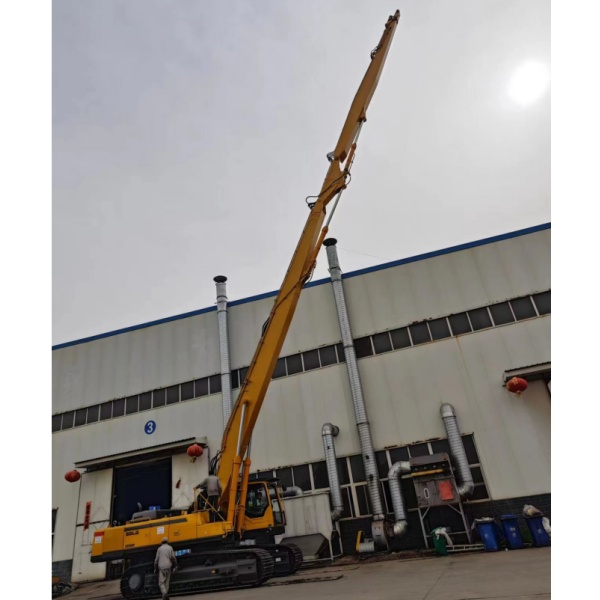
Positioning an excavator equipped with a long-reach demolition boom is a critical step that requires careful consideration. Operators must evaluate factors such as ground stability, proximity to structures, and the presence of potential obstructions that could limit the boom's range of motion.
The excavator is usually positioned a safe distance from the building, allowing the extended boom to reach the required height while maintaining stability. This strategic location not only ensures efficient demolition, but also provides a clear escape route in the event of an unexpected structural collapse.
Controlled demolition from top to bottom
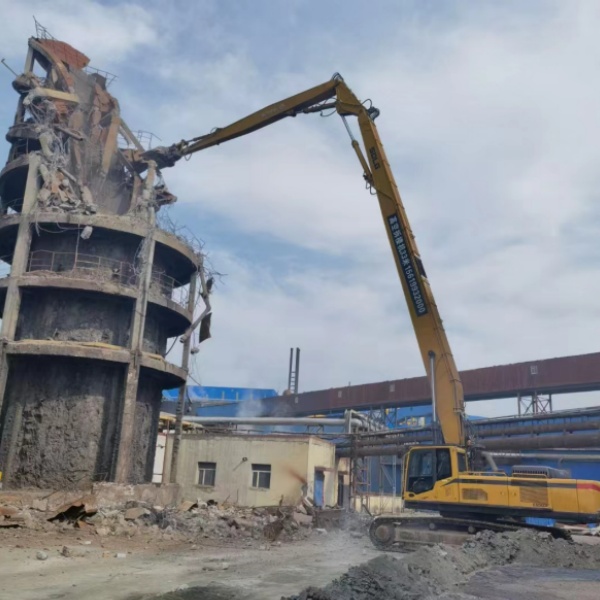
Once the excavator is in position, controlled demolition begins from the highest accessible point of the structure. The operator uses the excavator's high-reach demolition boom to gradually dismantle the building from top to bottom, working methodically to maintain structural integrity throughout the process.
This top-down approach allows for better control of debris fall and reduces the risk of uncontrolled collapses. As each floor is carefully demolished, the crane's attachments are changed as needed to handle different materials and structural elements, demonstrating the versatility of high-performance demolition equipment.
Operator control and precision in high-rise demolition
Joystick control for precise hand positioning
Modern, high-performance demolition booms are equipped with advanced joysticks that provide operators with unrivaled precision and ease of use. These ergonomic interfaces allow intuitive control of the boom's numerous joints and attachments.
With subtle movements of the joysticks, operators can precisely adjust the arm's position, allowing them to manipulate specific points on the structure with remarkable precision. This level of control is especially valuable when working in sensitive or protected areas of the building.
Camera systems to improve visibility
To solve problems associated with working at high altitudes and over long distances,high-reach demolition excavatorsThey are often equipped with sophisticated video surveillance systems. These cameras provide operators with a clear, real-time view of the work area, significantly enhancing situational awareness and safety.
Multiple cameras positioned along the crane arm and on the attachment provide multiple camera angles, allowing operators to monitor the demolition process from various perspectives. Some modern systems even include augmented reality features, overlaying the video feed with information about the structure or safety regulations.
Training operators in high-altitude demolition techniques
The effectiveness of high-rise demolition cranes depends largely on the skills and experience of their operators. Specialized training programs are designed to familiarize operators with the unique challenges and techniques associated with high-rise demolition work.
These training programs cover topics such as structural analysis, load calculations and emergency procedures. Operators also learn to interpret data from the robotic arm's sensors in real time and adjust their actions accordingly. Continuous training and skill development enable operators to maximize the potential of these advanced demolition tools while maintaining the highest safety standards.
Long reach demolition excavator booms represent a significant advance in demolition technology, offering a previously unattainable combination of power, precision and safety. Using advanced hydraulic systems and advanced controls, these versatile tools enable operators to complete complex demolition projects with unprecedented efficiency and respect for the environment. As urban landscapes evolve, the role of long-reach demolition booms in shaping the appearance of our cities and industrial areas will undoubtedly increase, paving the way for safer and more environmentally friendly demolition methods.