
How does an excavator capture work?
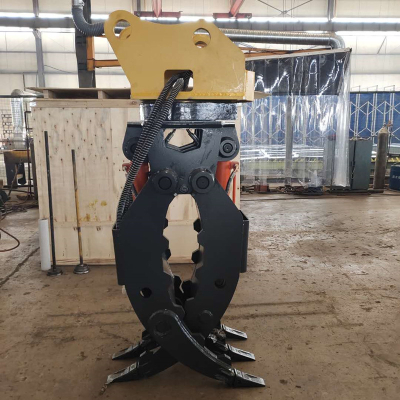
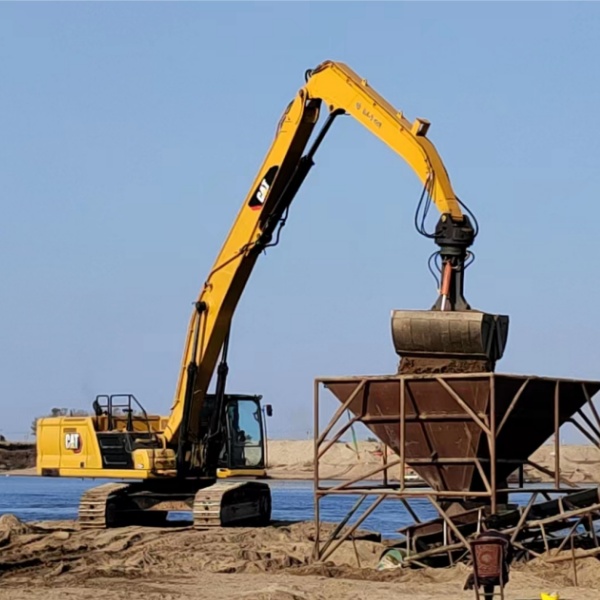
An The capture of the excavator Powerful hinged equipment for heavy equipment works thanks to a complex hydraulic system. This universal tool expands the possibilities of an excavator, allowing it to capture, raise and manipulate various materials with high accuracy. The capture jaws controlled by hydraulic cylinders are opened and closed for reliable retention of objects. The capture design combines strength and flexibility, which makes it an indispensable tool in the construction, demolition of buildings and loading and unloading.
Hydraulic system
Explanation of the hydraulic chains of the excavator capture
The hydraulic system that powers the excavator's grapples is a marvel of engineering. It consists of complex circuits that work together to provide precise control and tremendous force. At the heart of the system is high-pressure hydraulic fluid that transmits power from the excavator's engine to the grapple mechanism.
The main components of this system include a hydraulic pump, control valves, cylinders and hoses. The pump, driven by the excavator engine, forces hydraulic fluid under pressure. This fluid passes through a network of hoses and valves, eventually reaching the grapple cylinders.
Control valves play a key role in controlling the flow of hydraulic fluid. They allow operators to control the movements of the gripper with exceptional precision. When activated, these valves direct pressurized fluid to the appropriate cylinders, causing the jaws of the gripper to open or close.
Pressure adjustment for optimal gripping force
The correct grip is critical to efficient and safe operation. Too little force can cause the load to fall, while too much force can damage the materials or the grip itself. Modernexcavator grabs To solve this problem, complex pressure control mechanisms are used.
Safety valves are an integral part of this system. They prevent hydraulic pressure from exceeding safe limits, protecting both the equipment and the materials being processed. Some modern grippers feature adjustable pressure settings, allowing operators to fine-tune the gripping force to suit the specific requirements of each task.
Additionally, pressure sensors monitor system performance in real time, providing valuable feedback to the operator. This data helps make informed decisions regarding gripping force and lifting capacity, improving overall safety and efficiency.
Maintaining hydraulic efficiency in gripping systems
Maintaining the efficiency of the hydraulic system is essential for optimal grapple performance. Regular inspections and maintenance are essential to prevent problems such as fluid leaks, contamination and component wear.
Hydraulic fluid quality is critical. Clean, properly selected fluid ensures trouble-free operation and protects system components from premature wear. Implementing a thorough fluid sampling and analysis program can help identify potential problems before they become costly failures.
Proper sealing of hydraulic components is another important aspect of system maintenance. High-quality seals prevent fluid leaks and keep contaminants out of the system. Regular inspections and timely replacement of worn seals significantly increase the durability and reliability of the system.
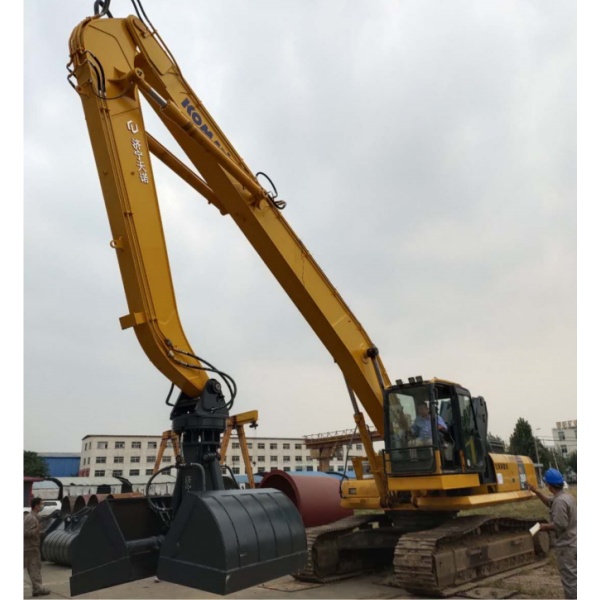
Grip Force Control: Precision in Action
Adjustable gripping force for different materials
The ability to adjust the grip force is a key feature that distinguishes modernexcavator grabsDifferences: Different materials require different gripping forces to handle safely and effectively. For example, fragile materials such as thin metal sheets or delicate structures require a gentler touch, while heavy concrete blocks or steel beams require a firmer grip.
Modern gripper systems often feature programmable gripping force settings. This allows operators to preset the gripping force for commonly handled materials, streamlining operations and reducing the risk of human error. Some systems even feature automatic material detection, quickly adjusting the gripping force based on the weight and composition of the object.
The precision of force control affects the ability of the grapple to maintain a stable grip even when the load shifts. This is especially important when working with complex-shaped loads or with dynamic movements of the excavator boom.
Sensors and feedback loops in excavator grippers
Modern captures of excavators are equipped with many sensors, which in real time provide data on various aspects of the work. These sensors monitor such factors as the capture force, the position of the jaw and the weight of the cargo. The collected data is transferred to the capture control system, creating a continuous feedback circuit, which provides accurate adjustment and increases overall performance.
Pressure sensors in the hydraulic system play a key role in the control and regulation of capture force. They ensure the maintenance of attached pressure within safe limits and compliance with the processed material. The position sensors monitor the movement of the capture jaws, ensuring accurate control and positioning of the excitable object.
Some modern systems are equipped with tensodists for measuring the weight of exciting material. This information can be used to prevent overload and ensure the stability of the excavator during lifting work. The integration of these sensors with the on -board computer system provides expanded functions, such as automatic load restriction and registration of work data.
Balance between capture strength and material protection
One of the most difficult aspects of the capture is the search for the perfect balance between the reliable capture and protection of the material. Excessive effort can damage or deform moved objects, and insufficient - lead to a fall in the cargo. The achievement of such a balance requires a combination of advanced technologies and operator skills.
Many modern captures are equipped with customizable gripping surfaces. They may include replaceable pads of materials such as rubber or composite materials with a high friction coefficient. These surfaces improve the capture, while minimizing the risk of scratches or damage to delicate materials. Some captures even offer special nozzles for working with certain types of items, for example, pipes or malignant garbage.
Modern capture management systems often include intellectual algorithms that help optimize the capture force. These systems can analyze factors such as the type of material, weight distribution and environmental conditions to offer optimal capture settings. This not only protects the processed materials, but also helps to increase the efficiency and reduce wear of capture components.
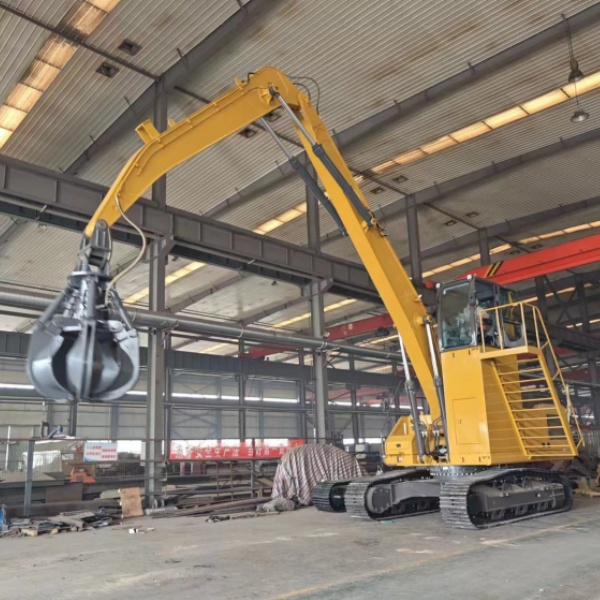
Operator interface: Mastering capture management
Intuitive joystick management for the capture of the excavator
The interface between the operator and the machine is crucial for effective and safe operationExcavator capturesModern excavators are usually equipped with joysticks that allow you to intuitively control the capture. These joysticks are ergonomic and reduce the fatigue of the operator during prolonged work.
Most systems use a two -legged configuration, where one joystick controls the movements of the arrow of the excavator, and the other - the capture functions. The joystick designed for a specific capture is often equipped with buttons or triggers for opening and closing the jaws, as well as to adjust the capture force. Some modern models are equipped with proportional control that allows you to regulate speed and pressure depending on the depth of the joystick.
To improve precision, many joysticks are equipped with haptic feedback mechanisms. These may include vibration or resistance changes, allowing operators to evaluate grip actions without constantly monitoring visual indicators. This haptic feedback is especially useful in situations with limited visibility or when performing repetitive tasks.
Real-time data display systems for gripper operation
In addition to physical controls, modern excavators are equipped with advanced display systems that provide real-time information about the operation of the grapple. These displays are usually equipped with high-resolution screens that are clearly visible in all lighting conditions.
The information displayed on these displays may include the current capture force, jaw position, cargo weight and system warnings. Many systems use color schedule and intuitive badges for quick and visual display of information. Some modern displays even support augmented reality, applying work data on images from cameras in the working area in real time.
These display systems often allow operators to directly access the capture settings and regulate them. This may include a change in the predefined values of the effort, viewing the history of the work and performing diagnostic checks. The integration of these displays with a wider excavator management system provides an integrated approach to driving, increasing overall efficiency and safety.
Operators training to efficiently use captures
Effective use of excavator grapples requires not only advanced technology, but also skilled operators. Grapple training programs typically combine theoretical knowledge with practical experience. These programs cover topics such as hydraulic system fundamentals, safe work practices, and material handling techniques.
Simulators are playing an increasingly important role in operator training. These advanced systems allow trainees to practice handling grippers in a safe, controlled environment. They can simulate a variety of situations and materials, helping operators develop the skills needed to handle a variety of real-world situations.
Ongoing training and skill development are critical in this rapidly evolving field. Many equipment manufacturers and construction companies regularly offer refresher courses and information on new technologies. These programs keep operators up to date with the latest advances in gripper technology and safety protocols.
Excavator seizures revolutionized in the field of processing materials in the construction, demolition of buildings and various industries. Their complex hydraulic systems, accurate control of the capture force and intuitive operator interfaces make them indispensable tools for modern soil excavation and manipulation of materials. As technology develops, one can expect an even greater number of innovative functions that increase efficiency, safety and environmental friendliness. The key to the maximum use of the potential of this powerful attachment equipment is an understanding of the principles of its operation, proper maintenance and investment in operators.