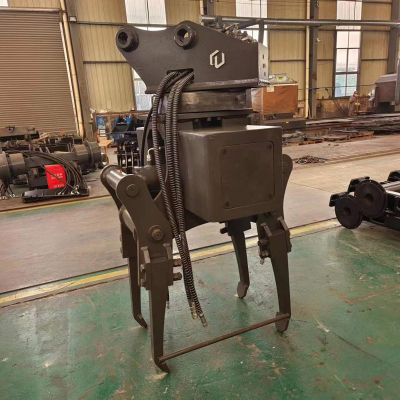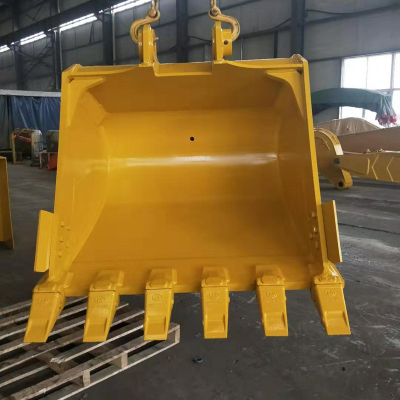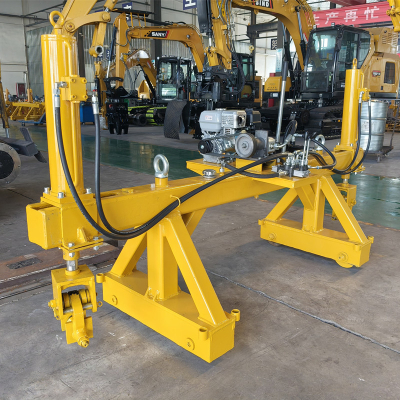

How does an excavator boom work?
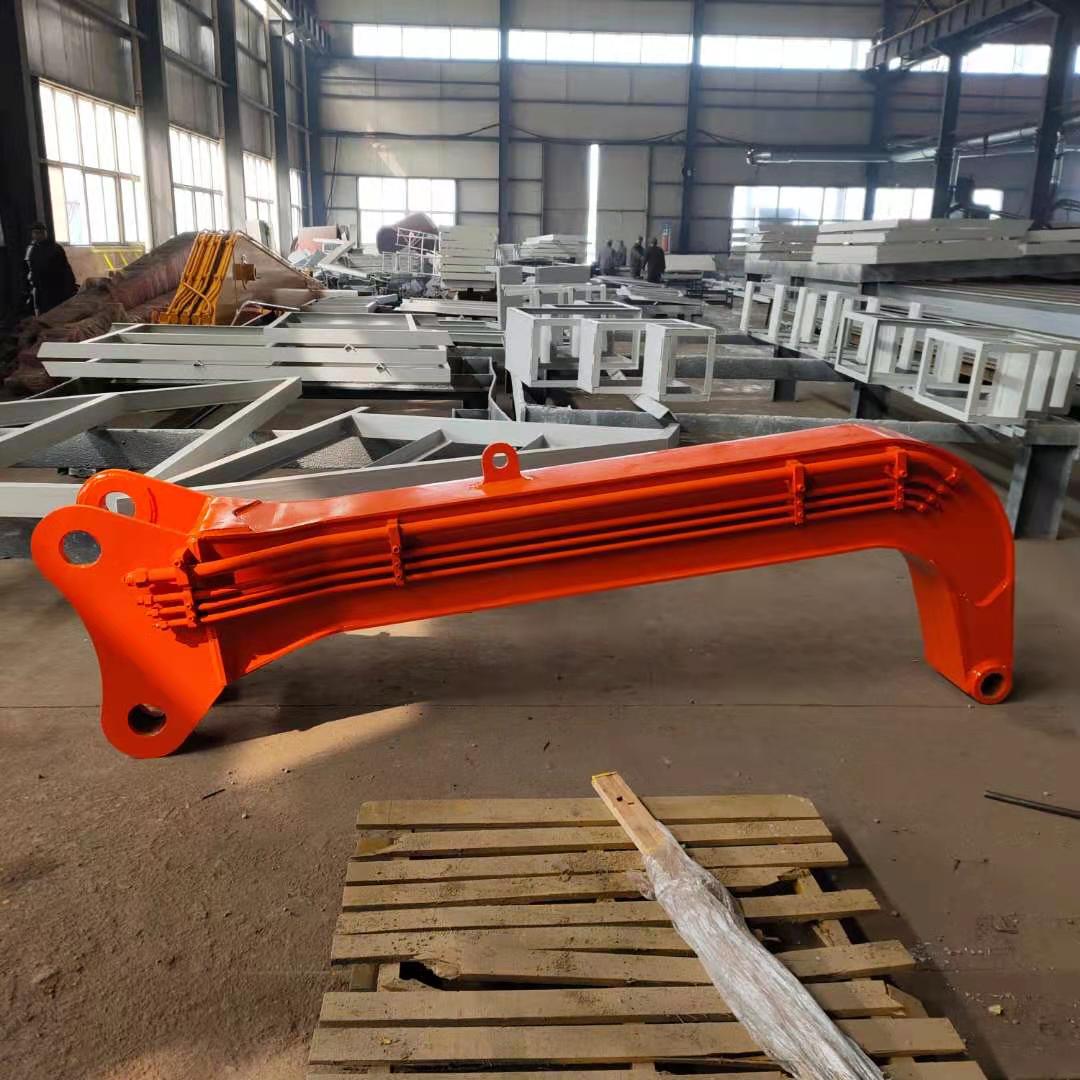
The boom excavator operates through a complex hydraulic-mechanical system that transforms standard excavators into powerful machines,leading branches. Operation begins with the hydraulic boom system directing precise force through its straight arm configuration, allowing controlled penetration of the pile into a variety of soil conditions. The operating mechanism includes three distinct operating phases: initial entry into the soil where positioning and adjustment occurs, stable flooding of the clump where a consistent driving force maintains penetration progress, and final control of the hammer where precise depth attainment occurs. Throughout each phase, the boom's hydraulic system maintains optimal pressure, while the straight arm design ensures precise stack alignment and maximum force transfer. The entire process relies on coordinated hydraulic flow control, real-time soil resistance monitoring and operator experience to achieve successful bollard installation. Understanding how these components work together provides insight into the technical excellence that makes modern foundation construction efficient and reliable in a variety of construction projects.
Initial stage of entering the soil (0-2 meters)
The initial stage of soil entry represents the most critical phase of soil compaction operations, where proper setup and positioning determine the success of the entire installation process. During this stage, the excavator boom must overcome initial soil resistance while establishing the correct pile trajectory for subsequent stages of movement.
Positioning and alignment procedures
Precise positioning marks the beginning of efficient stacking operations. The boom operator utilizes the excavator's mobility to position the machine at the precise installation location, ensuring optimal working angles and stability. Stack movement involves vertical columns of various materials loaded intounexcavated soil, requiring careful attention to alignment during the installation phase. The straight hand boom configuration facilitates precise vertical alignment while the operator adjusts the excavator's position to compensate for any ground slope or site irregularities. Advanced operators use laser guidance or GPS positioning systems to achieve centimeter-level accuracy when placing stacks, which is especially important for projects that require precise foundation layouts.
Activating the hydraulic system
The hydraulic activation sequence begins with the operator engaging the boom's hydraulic circuits, directing the excavator's power through specialized valves and accumulators. The system gradually builds up pressure, allowing the operator to test hydraulic reactivity before commencing bullet drive operations. Optimization of hydraulic pressure becomes critical at this stage, since insufficient pressure results in insufficient driving force, while excessive pressure risks equipment damage or operational instability. The boom hydraulic system includes pressure control mechanisms that maintain consistent power regardless of changes in soil resistance encountered during initial penetration.
Soil resistance assessment
Assessing soil resistance during initial counters provides valuable data for optimizing driving parameters throughout the installation process. The operator monitors hydraulic pressure, penetration speed and pile behavior to assess soil conditions and adjust driving techniques accordingly. Penetration trends show a relatively fast penetration rate in the initial stages, which decreases as penetration continues, indicating that early monitoring provides important information for predicting overall installation requirements. This assessment phase allows operators to identify potential obstacles, adjust hammer settings and modify driving strategies before encountering more challenging soil layers deeper in the plant profile.
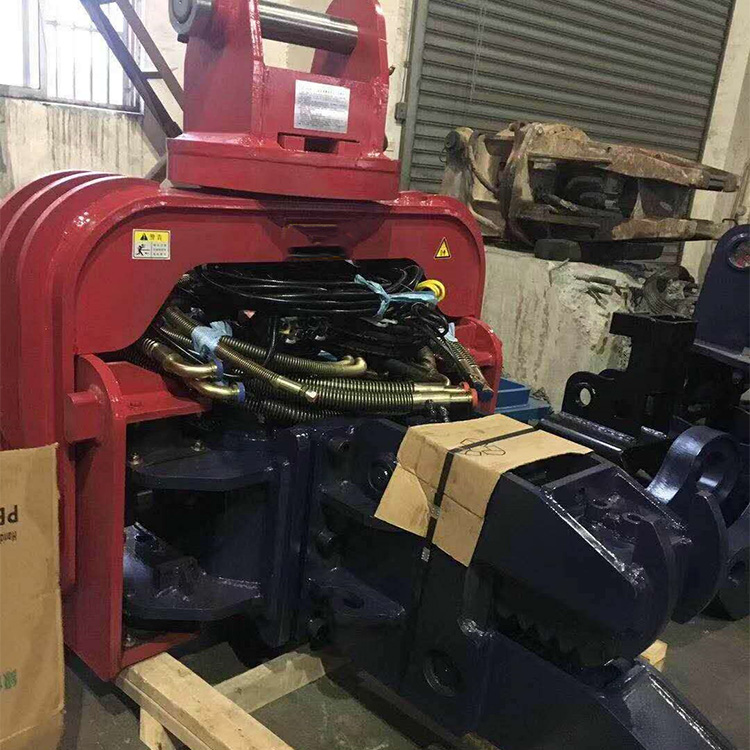
Stable stage sinking stacks
Stable stage sinking of the kupa This phase encompasses the majority of the stack drive operation, where consistent penetration rates and controlled driving forces achieve stable progress through various soil layers. This phase requires continuous monitoring and adjustment to maintain optimal drive efficiency while preserving the integrity of the stack.
Continuous control of driving force
Maintaining a consistent driving force throughout the steady sinking stage requires sophisticated hydraulic controls and operator experience. The excavator boom's hydraulic system automatically adjusts output pressure to compensate for varying soil resistance, providing consistent penetration rates without compromising the structural integrity of the boom. The development of penetration speed with penetration depth can be divided into three phases, which include an increasing phase, a stable phase, and a decreasing phase, demonstrating the importance of controlling driving parameters throughout each phase. The operator continuously monitors hydraulic pressure, pile speed and system performance to optimize driving efficiency while preventing equipment overload or pile damage.
Soil layer transition control
Soil layer transitions present unique challenges that require adaptive driving strategies and real-time parameter adjustments. The boom operator must recognize changes in soil density, composition and resistance characteristics, adjusting propulsion methods to maintain steady progress in varying geological conditions. Dense clay layers may require increased driving force and slower penetration rates, while sandy soils may allow faster penetration with reduced hydraulic pressure. The boom control system provides penetration resistance feedback, allowing operators to predict ground transitions and modify drive parameters proactively rather than reactively.
Penetration rate optimization
Optimizing penetration rates balances drive efficiency with maintaining stack integrity, requiring careful calibration of hydraulic parameters and drive methods. The operator adjusts hammer frequency, impact energy and hydraulic pressure to achieve optimal penetration rates while avoiding pile damage or excessive equipment wear. Monitoring systems provide real-time data on penetration rates, allowing operators to determine optimal movement parameters for specific soil conditions. This optimization process becomes especially important when passing through multiple layers of soil with varying resistance characteristics that require continuous adjustments to maintain consistent progress.
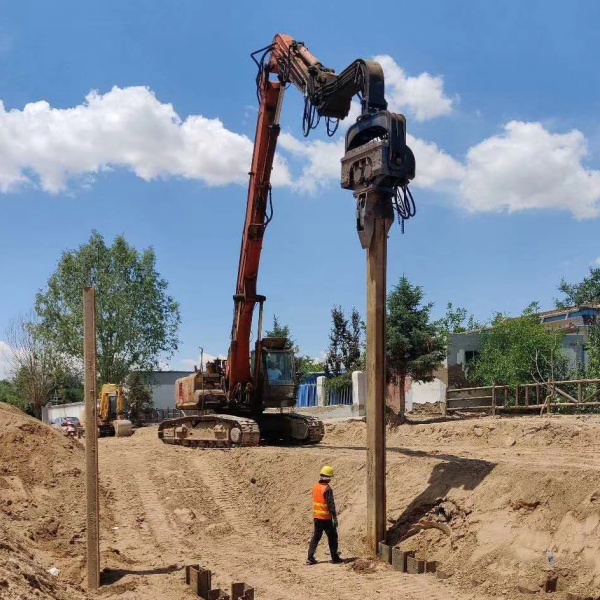
Ultimate Hammer Control
The final phase of hammer control is the precision completion stage, when the excavator boom reaches the target depth and ensures proper boom positioning. This critical stage requires advanced control techniques and careful monitoring to prevent overdriving while meeting design specifications.
Techniques for achieving depth
Methods of achieving depthfocused on precisioncontrol mechanisms that ensure that piles reach certain depths without exceeding design parameters. The operator uses depth measurement systems, often integrated with a boom control interface, to monitor the pile's progress and approach to target depths with increased accuracy. The chosen method drives the piles into the ground until they reach stable layers of soil or rock, emphasizing the importance of achieving proper bearing capacity through precise depth control. Advanced booms include automated depth monitoring systems that alert operators when approaching target depths, allowing the driving force to be gradually reduced to prevent over-penetration.
Driving resistance control
Managing resistance during the final phase requires complex management techniques to balance penetration progress with maintaining the integrity of the stack. The operator controls the increase in resistance that typically occurs as stacks approach the bearings, adjusting motion parameters to maintain progress without compromising structural integrity. Excessive resistance may indicate pile failure conditions requiring alternative driving techniques or equipment modifications to achieve target depths. The boom's hydraulic system provides precise force control capabilities that allow operators to manage high-resistance conditions, protecting both the pile and driven equipment from damage.
Verifying installation completion
The Installation Completion Verification includes final inspections and measurements that confirm the pile has been successfully installed according to the design specifications. The operator performs final depth measurements, alignment checks, and resistance assessments to verify that the installation meets the design requirements. Load testing verifies the strength of the pile under simulated loads, alignment checks ensure the pile is properly leveled, and depth testing confirms that piles reach specific depths, highlighting the comprehensive verification process required for successful installations. Documentation of final driving parameters, depths reached, and installation conditions provides the necessary records for project completion and future reference.