
Tree Removal Methods: Grinding vs. Excavation
The choice between grinding and excavation methods significantly impacts project efficiency, cost management, and operational results in the construction and landscaping industries. While traditional stem grinding breaks down the remaining wood into manageable chips, mechanical excavation usingtree stem excavatorcompletely removes root systems from their embedded positions. Professional contractors must evaluate site conditions, project timelines, equipment availability, and long-term land use requirements when selecting optimal removal approaches. Railroad construction, mining operations, and large-scale demolition projects often require complete root extraction to prevent future complications, making hydraulic excavation the preferred technique. Understanding these fundamental differences allows purchasing managers, executives and engineers to make informed equipment decisions that meet specific project requirements while maintaining cost control and delivery schedules.
Operational principles
Understanding the fundamental operating principles behind grinding and excavation methodologies allows you to make informed decisions when purchasing equipment and planning projects. Each approach uses different mechanical processes that produce different results, requiring specialized equipment and operating techniques tailored to specific site conditions and project goals.
Basics of the grinding mechanism
Grinding operations use rotating cutting discs equipped with carbide teeth that systematically reduce the wood material into workable pellets. Professional grinders work by progressively reducing material by pushing cutting wheels through the barrel structures while operators control depth and lateral movements. This mechanical process eliminates visible parts of the trunk, leaving the root systems largely intact in the soil matrices.
Hydraulic drive systems power the grinding mechanisms, ensuring consistent torque delivery throughout all material reduction operations. Modern grinding equipment has adjustable cutting depths, ranging from surface removal to below-level removal, to accommodate various project specifications. Operators monitor cutter wheel wear patterns and control requirements to maintain optimal performance throughout long operations.
Sanding efficiency is highly dependent on wood hardness, moisture content and trunk diameter measurements. Hardwood varieties require longer processing times compared to softwood varieties, which impacts project timing calculations and equipment scheduling decisions. Professional operators adjust grinding parameters based on material characteristics encountered during removal operations.
Principles of excavation methodology
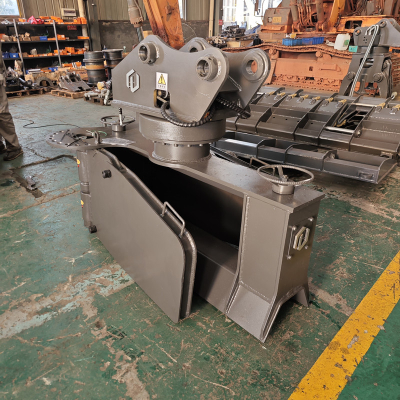
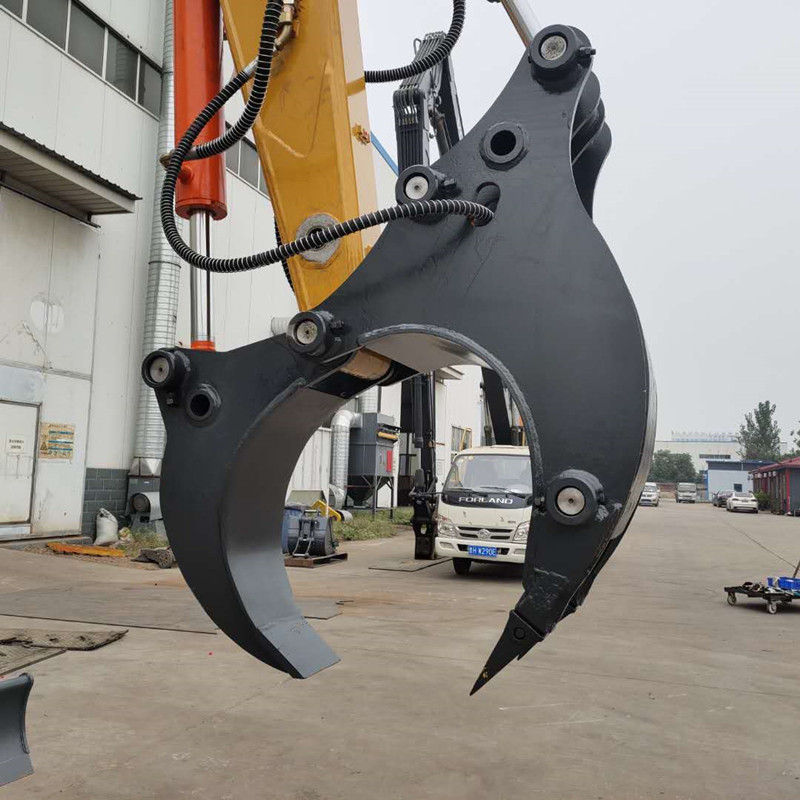
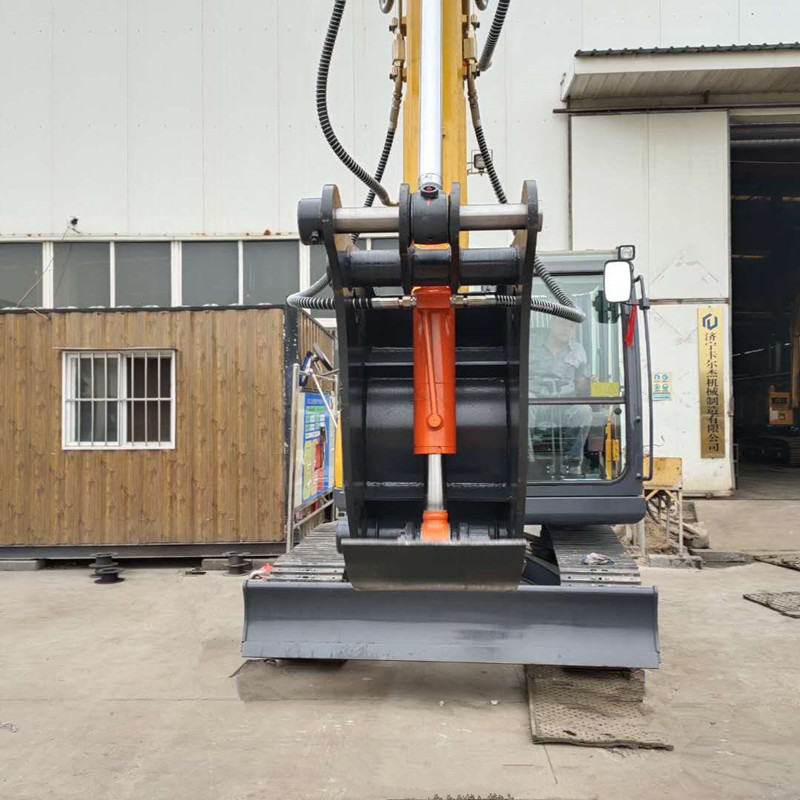
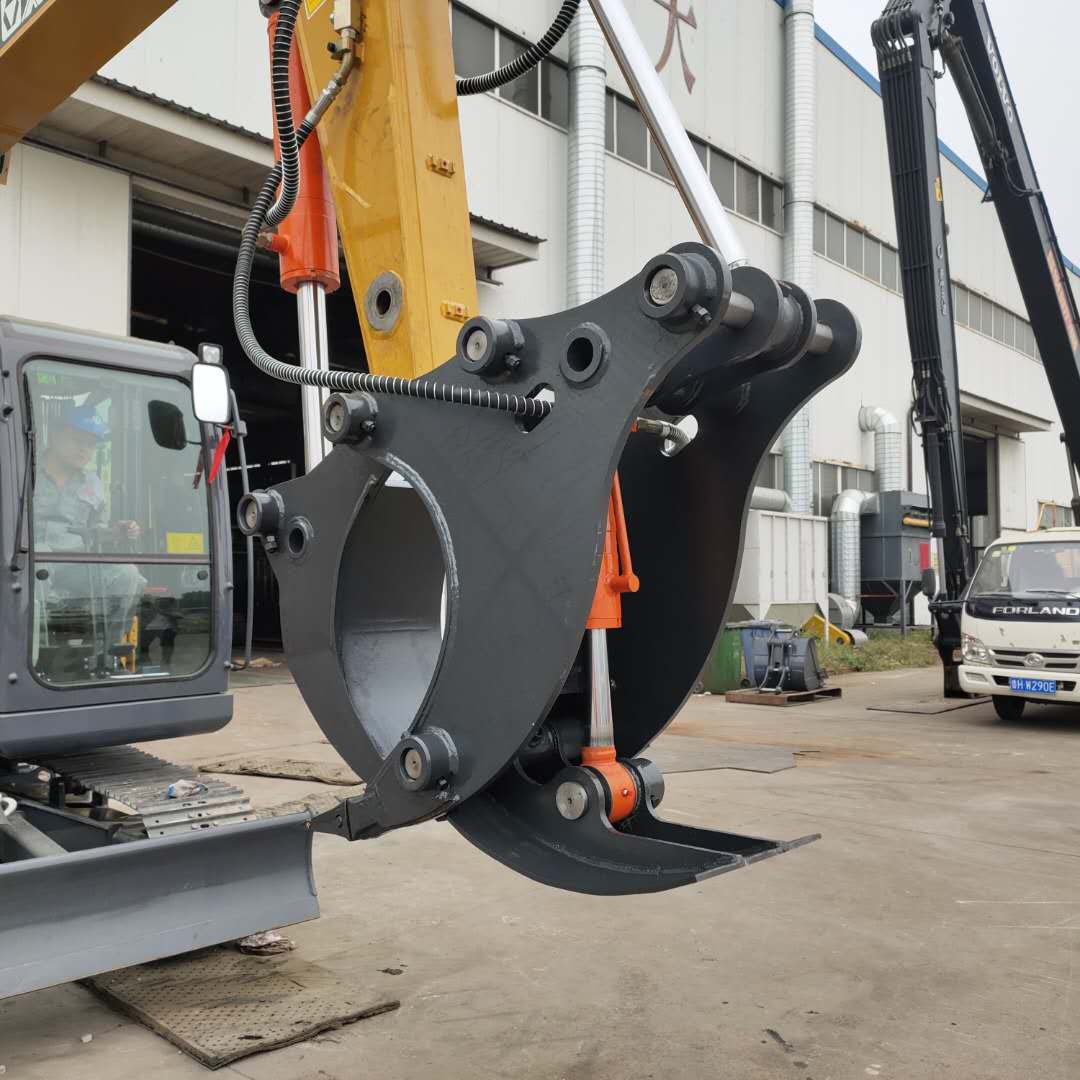
Excavation methodologies utilize hydraulic anchorages specifically designed to comprehensively extract root systems from embedded soil positions. Excavator equipment combines digging capabilities with specialized gripping mechanisms that facilitate complete trunk removal, including extensive root networks extending beyond visible trunks. This approach ensures the complete elimination of organic material that may interfere with future construction activities.
Hydraulic excavation is carried out using systematic soil movement and root cutting techniques that gradually isolate the trunk formationsfor mechanical extraction.Professional operators use consistent digging patterns that expose underlying root structures while maintaining equipment stability throughout removal processes. Advanced mounting designs provide the precise control required for delicate operations around sensitive infrastructure components.
Mechanical mining requires coordinated operation of equipment involving digging, cutting and lifting phases performed systematically. Operators must understand soil mechanics, root distribution patterns, and equipment limitations to achieve successful results without damaging surrounding areas. Professional techniques emphasize the gradual application of force rather than aggressive extraction attempts that could compromise the integrity of the equipment.
Hardware Configuration Specifications
Equipment configuration requirements differ significantly between grinding and excavation approaches, influencing purchasing decisions and operational planning considerations. Grinding operations typically use self-contained units with integrated cutting systems, debris collection mechanisms, and mobility platforms designed for varying terrain conditions. These specialized machines operate independently without requiring additional auxiliary equipment.
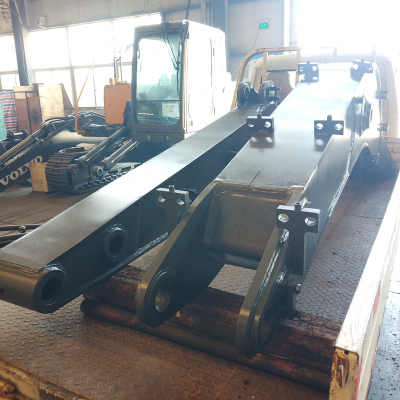
Excavator configurations include basic excavator units equipped with specialized stem removal mounts that convert standard construction equipment into dedicated removal systems. TianNuo excavator specifications include a maximum digging height of up to 6,700mm, an operating weight of 6,250kg and a bucket capacity of 0.27m³, providing versatility for complex stem extraction operations. This modular approach allows contractors to use existing excavator fleets with specialized accessories.
Key comparison criteria
Comprehensive comparative analysis reveals critical performance differences between grinding and excavation methodologies that directly impact project success rates, operational efficiency and long-term results. Professional assessment requires the systematic evaluation of several criteria that influence equipment selection, resource allocation, and project planning decisions.
Operational efficiency metrics
Operational efficiency includes completion schedules, labor requirements, and equipment performance measurements that influence project cost calculations and scheduling decisions. Grinding processes typically require less pre-preparation time, allowing for rapid deployment and immediate material reduction. However, complete barrel processing is often extended over longer periods due to methodological requirements for material reduction.
The effectiveness of excavation depends largely on the quality of site preparation and the complexity of the root system encountered during removal operations. Well-planned excavations provideremarkable speedscompletion, especially when using experienced operators and appropriate equipment configurations. Professional backhoe operations can complete the removal of large trunks in a matter of hours rather than the days required for comparable grinding operations.
Performance measurements must take into account waste management requirements, which vary significantly between methodologies. Grinding produces significant volumes of fragments that require collection and removal, while excavation generates intact root materials suitable for various types of processing. These considerations influence overall project performance calculations and resource planning needs.
Site Impact Assessment
The site impact assessment covers the level of soil disturbance, surface remediation requirements, and long-term site stability considerations impacting future development activities. Fine operations minimize soil movement while creating surface depressions that require replacement materials to restore the original grade level. Root decomposition processes continue underground, potentially causing problems to resolve over long periods of time.
The impacts of excavation include greater soil disturbance during removal operations, but ensure complete removal of organic material, preventing future complications. Professional excavation techniques involve systematic filling and compaction procedures that restore site stability once removal is complete. This comprehensive approach eliminates long-term settlement problems and provides a stable basis for subsequent construction activities.
Environmental impact considerations include noise levels, dust production and waste disposal requirements that impact surrounding areas and regulatory compliance obligations. Grinding processes typically result in higher noise levels and significant dust emissions requiring mitigation measures. Excavations generate less air pollution but require careful soil management throughout the removal process.
Advantages and Disadvantages
A balanced assessment of the advantages and disadvantages of a methodology allows informed decisions to be made in accordance with specific project requirements, operational constraints and long-term goals. Professional contractors must weigh several considerations that affect equipment selection, project results, and customer satisfaction.
Advantages and limitations of the grinding method
The grinding methodology offers several excellent advantages, including minimal site disturbance, immediate debris handling capabilities, and suitability for use in confined spaces where access to excavations proves difficult. Professional grinding equipment moves efficiently in confined areas while producing controlled chip materials suitable for a variety of applications including landscape mulch and biomass fuel production.
The limitations of surface exposure make resurfacing attractive for sensitive areas that require minimal disturbance to the landscape. Property owners appreciate the reduced remediation needs and immediate availability of the site once resurfacing is completed. Professional operators can complete grinding without the extensive site preparation or location services required for excavation projects.
However, limitations of grinding include incomplete root removal which can cause future complications, long processing times for large trunks, and significant equipment maintenance requirements. Teeth replacement costs add up quickly during intensive surgeries, while hydraulic system maintenance requires regular attention. Professional contractors should take these ongoing costs into account when pricing a project.
Strengths and weaknesses of the excavation method
The excavation methodology ensures comprehensive root removal that prevents future complications while providing superior long-term site stability.Excavators remove whole organic structures, providing clean sites ready for immediate development, without handling problems or opportunities for overgrowth. Professional excavations provide permanent solutions that meet complex construction requirements.
The versatility of the equipment is a significant advantage in excavation, allowing contractors to use the machines in a variety of project types, including construction, demolition and landscaping equipment. Professional operators value mounting flexibility that maximizes equipment utilization while minimizing fleet requirements. This versatility provides exceptional value for contractors managing diverse project portfolios.
Disadvantages of excavation include higher levels of site disturbance, increased soil management requirements, and access restrictions in confined spaces. Professional operators should coordinate services across utility locations and implement soil protection measures during removal operations. Weather conditions significantly impact excavation schedules, while grinding takes place under more varied environmental conditions.
Suitable for industry applications
Industry-specific applications exhibit different preferences based on operational requirements, site conditions, and long-term goals that influence methodology selection decisions. Railroad construction and maintenance generally prefer excavation approaches that ensure complete removal of organic material, preventing railroad track stability problems. The mining and demolition industries require careful site preparation, which is effectively achieved by excavation methodology.
Construction companies managing large-scale projects value excavation efficiency and consistent results that eliminate future complications during foundation work or utility installation. Professional contractors recognize that complete root removal is worth the higher initial cost by reducing callback risk and increasing customer satisfaction. Quality results support reputation development and repeat business opportunities.
The landscaping and forestry industries are showing more varied preferences depending on specific project goals and client requirements. Residential applications may favor grinding approaches that minimize property disturbance, while commercial projects often require extensive excavation. Professional service providers support capabilities for both methodologies to meet different customer needs and maximize market opportunities.