
How quickly can a railway variable replace ligaments?
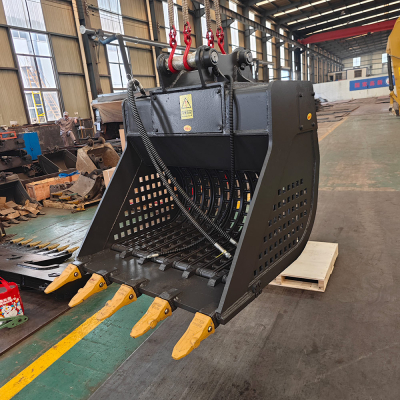
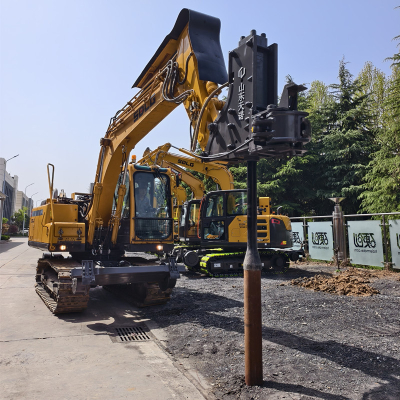
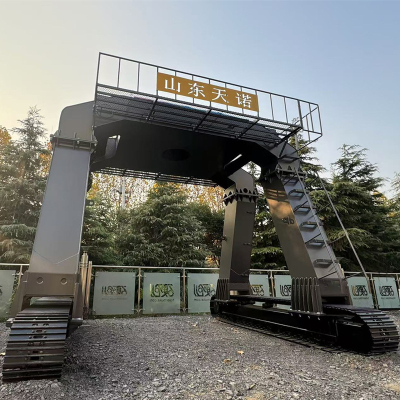
Railway changershave become a revolutionary in rail maintenance, significantly increasing the efficiency of rail replacement. These advanced machines can replace an impressive 30-50 sleeping bags per hour, far superior to manual methods. When managed by skilled operators, the high-performance rail link changer can achieve even greater productivity, making it indispensable for modern rail infrastructure projects. This rapid replacement rate ensures minimal disruption to rail service while maintaining the safety and integrity of rail service.
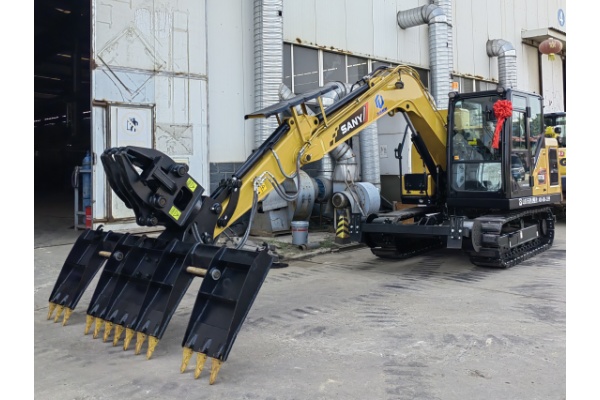
30-50 sleepers: per hour
Advanced railroad changers improve productivity
Introduction of advancedrailway replacementsSpindle changers have changed the rail maintenance landscape. These sophisticated machines utilize the latest technology to simplify the process of changing splines. By automating many of the labor-intensive tasks associated with changing splines, these variable speed machines dramatically increase productivity.
Modern sleeper machines incorporate features such as hydraulic systems, precise control mechanisms, and ergonomic designs. These elements work together to facilitate quick and precise installation and removal of the sleeper. The machines' ability to handle various types and sizes of backrests increases their versatility, making them suitable for a variety of rail networks.
Skilled operators maximize saw blade change speed
While the machine itself is impressive, the role of skilled operators cannot be overstated. Experienced personnel, understanding the intricacies of the equipment and the complexities of track maintenance, can push these machines to their full potential. Combining technical expertise and practical know-how, experienced operators can fine-tune the replacement process, squeezing out every bit of efficiency.
Training programs and continuous skill development for operators are crucial to maximizing the benefits of rail sleepers. As these machines evolve, so do the capabilities of those operating them. This synergy between human skills and mechanical capabilities enables impressive replacement rates of 30-50 sleepers per hour.
Automated vs. Manual: Comparing Replacement Rates
The stark contrast between automatic and manual sleeping bag replacement methods becomes apparent when comparing their respective rates. Traditional manual changing usually achieves only a fraction of the speed of modern alternators. In cases where a group of workers may have difficulty changing more than a handful of sleeping bags in an hour, a well-performing railroad sleeping bag changer can easily exceed this figure many times over.
This efficiency gap not only results in time savings, but also significant cost savings and improved worker safety. By minimizing time spent on active tracks, automated systems reduce the risk of accidents and allow for more frequent and thorough maintenance schedules.
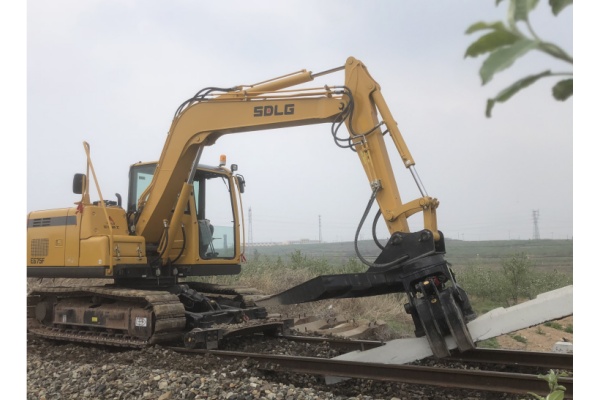
The whole replacement process
Step by step: the quick process of replacing the splint
Remarkable speed of modernrailway replacementsSleeping bags are best understood by breaking down the replacement process. Each sleeping bag is typically changed in a quick 2-3-minute operation involving several precise steps:
Extraction: The machine firmly grips the old backbone and carefully pulls it out of its position, ensuring minimal disturbance to the surrounding rail and ballast.
Disposal: Once removed, the old sleeping bag is quickly moved out of the work area, often to a designated collection point for disposal or recycling.
Preparation: The available space is quickly assessed and, if necessary, adjusted to accommodate the new sleeping area.
Insert: The fresh sleeping bag is precisely positioned and lowered into place, guided by the machine's precise controls.
Adjustability: Fine adjustment of the sleeping bag's position ensures perfect alignment with the rail and adjacent braces.
Securing: The new sleeper is securely secured, often using automated tightening systems for consistency and speed.
This simplified process, repeated dozens of times per hour, is the basis for efficient maintenance and renewal of the route.
Economic Methods for Efficient Tie Exchange
To achieve such rapid replacement rates, railway maintenance teams employ a variety of time-saving techniques. These strategies often include:
Pre-positioning new backrests along the route for easy access
Using multifunctional machines that can perform multiple steps simultaneously
Implement precise scheduling to minimize downtime between replacements
Using advanced logistics to ensure a stable supply of materials and the removal of old sleeping bags
By optimizing every aspect of the operation, maintenance teams can maintain a consistent pace, maximizing the number of sleeping bags replaced during each work window.
Accuracy and speed: balancing quality and quantity
While speed is critical, it should not come at the expense of quality. Modern rail changers are designed to maintain high accuracy even at fast changeover rates. Advanced sensors and control systems ensure each backrest is positioned with millimeter precision, maintaining the proper gauge and alignment required for safe rail operation.
Quality control measures are integrated into the process with continuous monitoring and real-time adjustments. This balance of speed and precision is what distinguishes top-tier replacement operations, ensuring that the increased pace of work does not compromise track integrity.
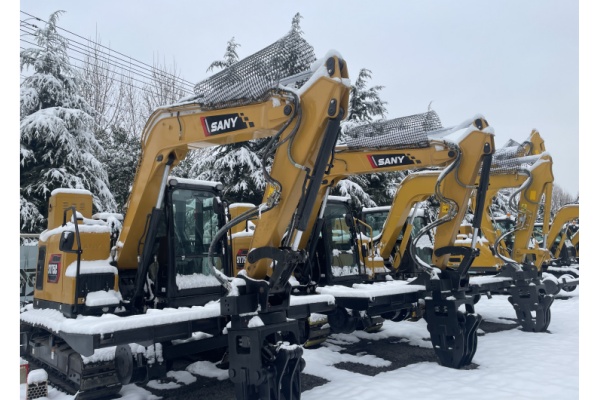
Cooperation with trains for rail maintenance
Synergy: sleep variables and train maintenance
True Potentialrailway variablesis fully realized when they operate in parallel with rail maintenance trains. This powerful combination creates a mobile workshop capable of sustainably renewing high-speed tracks. Maintenance trains typically carry needed supplies, including new sleepers, fastenings and ballast, directly to the work site.
By integrating backrest changers with these supply trains, crews can work continuously without frequent stops to replenish supplies. This seamless operation significantly reduces downtime and improves the overall efficiency of large-scale roadway maintenance projects. The synergy between these specialized vehicles allows for a seamless flow of materials and slips removed, keeping the replacement process smooth.
Continuous operation for large-scale route renewal
Large-scale roadway renovation projects benefit greatly from the ability to carry out continuous splinter replacement operations. Supporting train maintenance, back changers can work long shifts, maximizing the use of available rail ownership time. This continuous operation is especially valuable in busy rail corridors where service windows are limited.
The power of uninterrupted operation allows maintenance teams to cover significant road distances in a single operation. This approach not only speeds up project timelines, but also ensures consistent track quality over long railroad sections. The ability to replace hundreds or even thousands of sleepers in a single, coordinated effort is a game changer for major infrastructure upgrades.
Workflow optimization for railway overhauls
When planning major railway overhauls, the integration of backrest replacements and train maintenance requires careful orchestration. Optimizing the workflow includes:
Strategic positioning of supply trains to maintain a constant flow of materials
Coordination of multiple shifts to work sequentially or in parallel, depending on the route layout
Implementing efficient logistics for the removal and disposal of old sleeping bags
Using real-time monitoring systems to track progress and identify potential bottlenecks
Deployment of support crews to perform support tasks, focusing on sleeper replacements
By fine-tuning these elements, railway maintenance teams can achieve remarkable efficiency, transforming entire sections of track within a compressed timeframe. This level of optimization is essential for minimizing disruptions to railway maintenance and maximizing the return on investment in railway maintenance equipment.