
What is the purpose of ballast plough in railway maintenance?
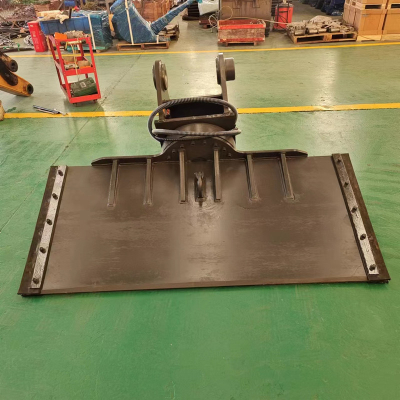
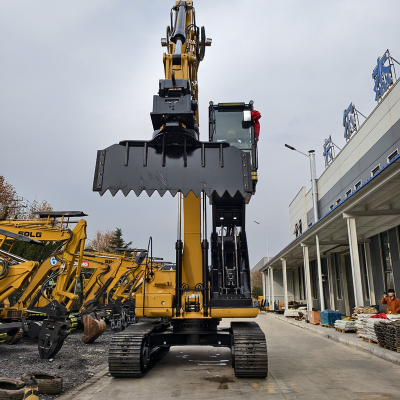
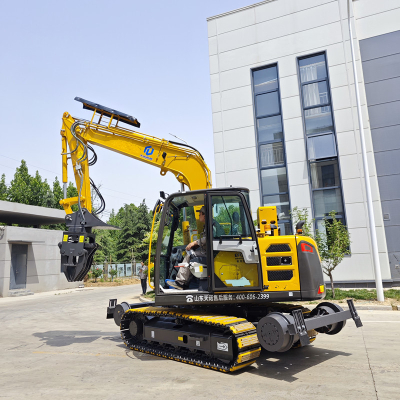
Ballast plowis a critical piece of equipment in railway maintenance, designed to redistribute and form ballast that supports railways. Its main goal is to ensure the stability, safety and durability of the railway infrastructure. By effectively moving and spreading ballast along the track field, it helps maintain proper track field geometry, prevent ballast overflow and promote efficient drainage. This important tool plays a vital role in maintaining the integrity of rail networks, ultimately contributing to smoother, safer and more reliable train operations.
Redistributes ballast
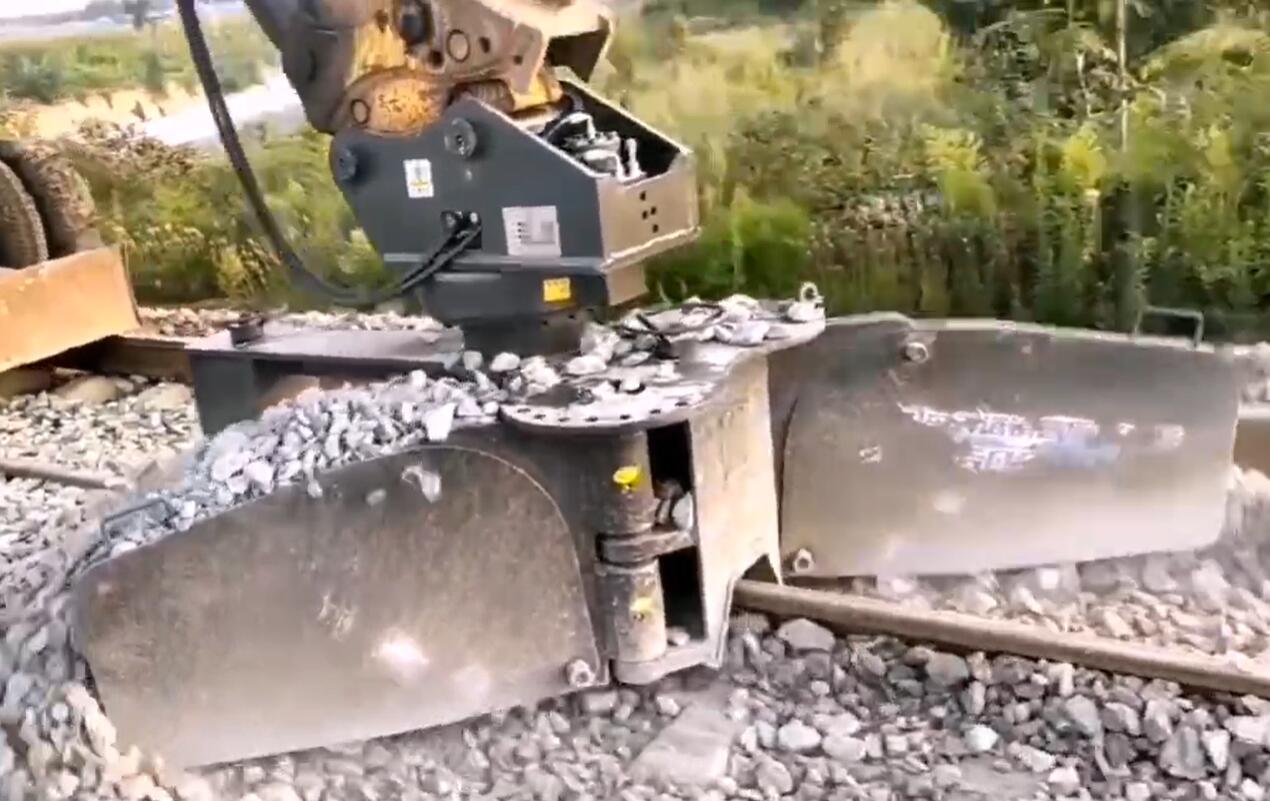
Main functionballast plowis the redistribution of ballast along the railway field. This process is essential to maintaining the overall condition and functionality of railway systems.
Distributes ballast evenly along the track bed
Ballast plows are designed to move and distribute crushed stone or gravel evenly across a roadway. This even distribution is critical for several reasons. Firstly, it ensures uniform distribution of the weight of passing trains along the entire length of the route. Without proper ballast distribution, some areas may carry more weight than others, leading to uneven wear and potential structural problems.
Furthermore, uniform distribution of ballast helps maintain a consistent track height. This is especially important in areas where temperature fluctuations can cause the track to expand or contract. By providing a uniform foundation, ballast helps the track maintain its intended alignment and prevent bowing or buckling.
Fills voids and low spots in the ballast profile
Over time, constant train traffic and environmental factors can cause uneven ballast settlement, creating voids and low spots on the track. These irregularities can compromise the stability of the track and lead to a variety of problems, including poor drainage and increased wear on both the track and train components.
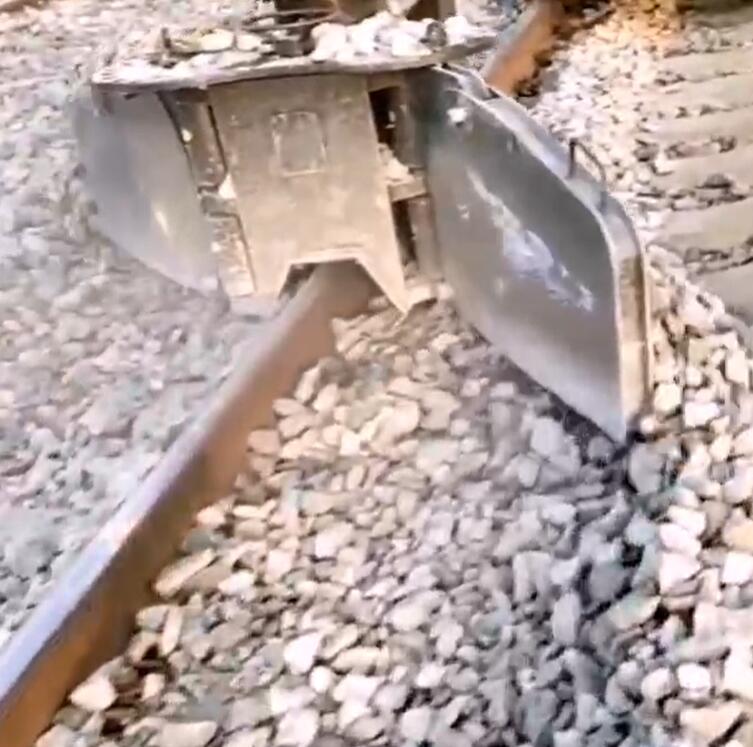
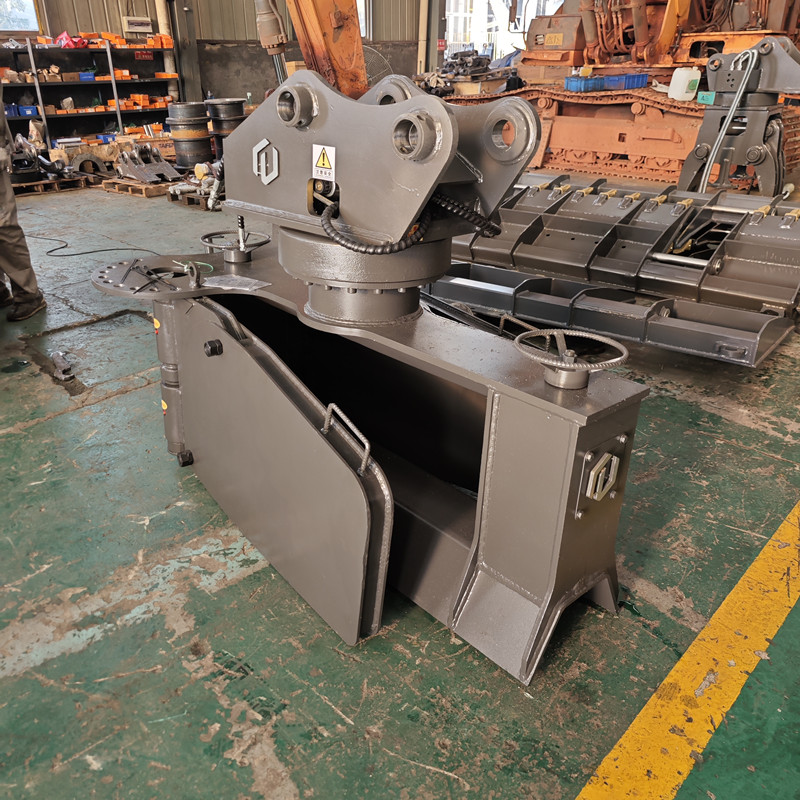
Ballast plows are equipped with specialized blades or wings that can effectively push ballast into these problem areas. By filling voids and leveling low spots, the plow helps restore the track to its optimal profile. This not only improves the stability of the railway but also extends the service life of the entire railway infrastructure.
Restores the correct cross-section of the ballast
The ballast cross-section profile is a critical factor in railway maintenance. A proper cross-section ensures adequate track support and efficient water drainage. However, this profile can be distorted by various factors, such as heavy precipitation, cargo spills, or natural sedimentation.
Ballast plows are designed to reshape ballast, restoring it to its ideal cross-sectional profile. This usually involves moving excess ballast from the center of the route to the side, creating a small crown that helps water drain away. By maintaining this optimal shape, they play a critical role in maintaining the integrity of the railway line and preventing damage.railway infrastructurerelated to water.
Essentially, redistributing ballast with these specialized plows isn't just about moving rocks around. It is a precise and necessary process that directly impacts the safety, efficiency and longevity of railway systems. By ensuring uniform distribution, filling voids and maintaining the correct cross-section, ballast plows significantly contribute to the overall health of railway networks.
Supports track geometry
Based on its role in redistributing ballast,ballast plowplays a crucial role in maintaining track geometry. This aspect of railway maintenance is vital to ensuring safe and comfortable train operations.
Ensures proper alignment and level of the track
Proper alignment and leveling of railways are fundamental to safe railway operation. Even small deviations can lead to increased wear on both the rails and rolling stock, and in extreme cases can create the risk of derailment. Ballast ploughs help maintain these critical parameters by precisely shaping the ballast bed.
As the plow moves along the route, it adjusts the ballast profile to maintain proper alignment of the route. This includes maintaining proper rake (slight inward slope of the track) on curves and providing a level surface on straight sections. Thus, it helps prevent problems such as alignment or alignment shifts that could compromise alignment over time.
Stabilizes the track for smooth train operation
A stable road is essential for smooth and efficient train operations. Instability can lead to excessive vibrations, increased fuel consumption and passenger discomfort. Ballast plows contribute to track stability by ensuring proper compaction and even distribution of ballast.
The plow action helps solidify the ballast, filling any voids that may have formed due to train movement or environmental factors. This deposition process creates a stronger foundation for the rail, reducing the likelihood of sudden shifts or movements during the train's passage. The result is a smoother ride for passengers and less stress on train components.
Prevents settlement and deformation of the route
Over time, rails can become ballast-bound due to the weight of passing trains and environmental factors such as heavy precipitation. This settlement can lead to dips or humps in the track profile, which not only impact ride quality but can also lead to more serious structural problems if left unchecked.
Ballast plows help prevent and correct these problems by redistributing ballast to areas that have experienced settlement. By maintaining a consistent ballast profile, the plow helps ensure that the track remains at the intended height along its entire length. This proactive approach to rail maintenance can significantly extend the life of rail infrastructure and reduce the need for more extensive repairs.
In addition to settlement, tracks can also experience deformation due to lateral forces, especially on curves. Ballast plows help counteract these forces by providing adequate ballast support on the outer edges of curves. This helps maintain proper rail geometry and prevents problems such as rail spreading or gauge expansion.
With these features, ballast plows play a vital role in maintaining track geometry. Ensuring correct alignment and level,stabilizing the pathBy ensuring smooth operation and preventing settling and deformation, these machines significantly contribute to the safety, efficiency, and longevity of railway systems. Their operation is a vital part of ongoing railway maintenance efforts, helping to maintain the smooth and safe movement of trains across the network.
Prevents ballast flow
Beyond its role in geometry redistribution and maintenance, the ballast plow serves another important function: preventing ballast overflow. This aspect of railway maintenance is often overlooked, but is crucial to the overall health and efficiency of the railway system.
Removes excess ballast from rails and connections
Over time, ballast can build up on and around rails and connections, especially after maintenance or due to vibration from passing trains. This excess material can prevent the roadway and its components from functioning properly. Ballast plows are designed to effectively clear away this excess material.
The plow blade is designed to push excess ballast away from the rails and ties without damaging these critical components. This cleaning ensures that the rail seats (where the rail meets the bed) remain free of obstructions. It also prevents ballast from interfering with other railroad components such as railroad anchors or tie plates. By keeping these areas clear, it helps maintain the structural integrity of the rail and prevents problems that can arise from trapped ballast.
Improves drainage around railway structure
Proper drainage is essential for the longevity and safety of railways. When ballast overflows or compacts in the wrong areas, it can impede the flow of water away from the rail structure. This can lead to a variety of problems, including erosion, track instability, and even frost buildup in colder climates.
Ballast plows help maintain good drainage by creating a ballast profile to assist water flow. They ensure that the areas between the ties (known as cribs) are clear, allowing water to flow freely through the ballast and away from the rail. The plow also helps maintain the correct slope of the ballast arm, further improving drainage capabilities.
By improving drainage, they play a crucial role in preventing water-related damage to the track structure. This not only extends the life of the rail components but also reduces the risk of weather-related disruptions to train operation.
Reduces ballast migration into surrounding areas
Ballast migration is a common problem in railway maintenance. As trains pass over the tracks, vibration can cause ballast stones to gradually move away from their intended location. This can lead to bare spots on the rails and ballast accumulation in undesirable areas, such as near the tracks or even on nearby roads or trails.
Ballast plowsThey help combat this problem by regularly realigning the ballast. The action of the plow pushes migrating stones back into place, maintaining the correct ballast profile. This not only ensures that the track bed remains adequately supported but also prevents the loss of valuable ballast material.
Additionally, by keeping ballast in its correct location, plows help maintain clean areas along the rails. This is important for safety reasons as it allows for easier inspections and access to maintenance. It also helps prevent ballast from interfering with roadside equipment or alarm systems.
Overall, its role in preventing overfilling is multifaceted and decisive. By clearing excess material from rails and connections, improving drainage and reducing ballast migration, these machines significantly contribute to the overall health and efficiency of railway systems. Their work helps ensure that ballast effectively performs its intended function, supporting safe and reliable train operations while minimizing maintenance needs and potential disruptions.