
How to maintain a railway alternator?
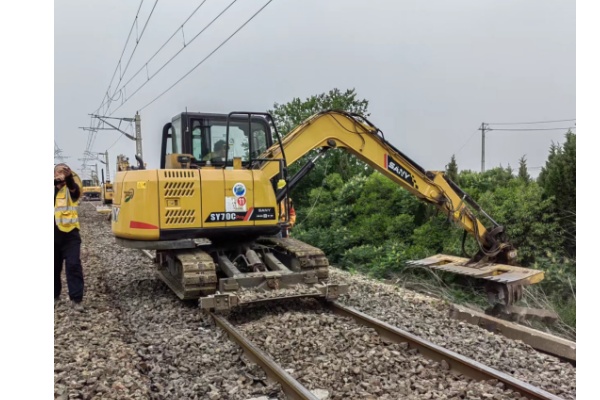
Proper Maintenancerailway variableis critical to ensure its durability, operational efficiency and safety in railway maintenance operations. These specialized machines are designed to quickly and efficiently replace old or damaged railroads, making them an important asset for railroad companies and maintenance contractors. A well-maintained backrest changer can significantly reduce downtime, lower repair costs and extend equipment life. The maintenance process includes daily checks, regular maintenance and annual overhauls, all of which play a vital role in maintaining the functionality of the machine. By following a comprehensive maintenance schedule that includes checking hydraulic systems, lubricating moving parts, checking rail wheels and servicing the engine, operators can maximize productivity while minimizing unexpected failures during critical railroad maintenance operations.
Daily Maintenance
Pre-operative inspections
Before userailway variablesleeping bags must be thoroughly checked in advance. Start by checking fluid levels, including hydraulic oil, engine oil, and coolant. The hydraulic system is especially important because it provides most of the functions of the backrest variable. Check for fluid leaks around hoses, connections and cylinders, as even minor leaks can cause serious problems if left unaddressed. Examine the wheels on the rails for wear, damage or debris that could affect traction or stability on the rails. The sleeping bag clamping mechanism requires special attention - check that it opens and closes smoothly and that all pins and fastenings are secure. Test all controls and switches to ensure proper response before operating. This proactive approach helps identify potential problems before they lead to operational failures.
Postoperative procedures
Once work on a rail changer is completed, proper shutdown procedures are vital to maintaining the condition of the equipment. Clean all dirt, debris and railroad ballast from the machine, paying particular attention to the suspension, wheels and clamping mechanism. These areas tend to accumulate material that can cause accelerated wear if not removed. Reduce pressure from the hydraulic system according to manufacturer's guidelines to reduce stress on components during idle times. Parking the car on level ground with the sleeping bag clamping mechanism lowered to the rest position. Complete a daily maintenance log documenting any operating problems, unusual noises, or performance problems encountered. This documentation creates a valuable history that can help identify developing problems and inform future maintenance decisions.
Lubrication requirements
Daily lubrication is fundamental to preventing premature wear of the railway variable. Focus on all the pivot points and moving components, including the clamping mechanism, rotating bearings, and joint joints. Use lubricants recommended by the manufacturer, as using the wrong products may cause damage rather than prevent it. Pay special attention to components exposed to dust and ballast, as these conditions accelerate wear. Clean lubrication fittings before applying lubricant to prevent introducing contaminants into the system. Follow the manufacturer's lubrication schedule, which usually identifies specific points that require daily attention. Some modern sleep changers are equipped with automated lubrication systems that require daily checks to ensure proper function and adequate lubricant supply. Constant lubrication significantly extends the service life of the component and increases operational reliability.
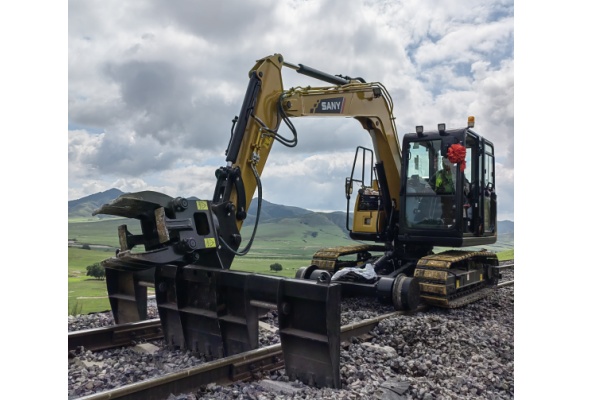
Regular maintenance
Weekly Maintenance Requirements
Weekly maintenance of yourrailway changerbackrests is based on daily care with more comprehensive inspections and maintenance. Check the air filtration system and clean or replace filters as necessary, especially when working in dusty conditions common to railroad maintenance. Inspect the cooling system, including radiators and cooling fins, clearing out any debris that may be preventing heat from dissipating. The hydraulic system deserves special attention - check all hoses for signs of wear, fragmentation or potential points of failure. Check pressure settings and clamp adjustment mechanisms to ensure they are operating within specifications. Check all electrical connections and wiring for damage, especially those exposed to vibration and environmental elements. Check that safety systems, including emergency stops and warning devices, operate correctly. Finally, check the wheel drive system thoroughly, as this is critical to proper railroad operation.
Monthly maintenance of the hydraulic system
The hydraulic system is the heart of any railway variable and requires detailed monthly maintenance. Check hydraulic oil quality and contamination levels - hazy or discolored oil indicates potential problems that require immediate attention. Replace hydraulic filters according to manufacturer specifications or more frequently in demanding applications. Check cylinder seals for weeping or leaking, as even slight leakage may indicate impending seal failure. Test the hydraulic pressure of the entire system using calibrated gauges to ensure they are within factory specifications. Check valve function in all operating modes to confirm correct response and timing. Check for proper function of hydraulic coolers, as overheating of hydraulic oil will quickly degrade system components. If they are equipped with load sensing hydraulics, check that these systems are properly calibrated. Consider taking oil samples for laboratory analysis to identify potential problems before they cause system failures, especially for machines with high operating hours.
Quarterly checks of the drive system
The railroad variable drive system requires quarterly inspection to maintain reliable railroad operation. Carefully examine the wheels for flat spots, cracks, or abnormal wear patterns that may affect stability or tracking. Check the wheel bearings for excessive play or unusual noise while spinning, which may indicate bearing failure. Inspect brake systems, both service and emergency brakes, ensuring proper adjustment and function. For hydraulic drive motors, check for proper housing drain flow and check for internal leakage, which may indicate motor wear. Test the alignment of the rail wheels to ensure that the machine moves properly on the rails without applying excessive force to the guide mechanisms. Check transmissions for proper oil levels and any metal particles that may indicate internal wear. For vehicles with convertible drive systems that switch between freewheel and drive modes, check that the conversion mechanism operates smoothly and locks securely in both positions. Proper drive system maintenance is essential to both operational capability and safety when operating on active railroads.
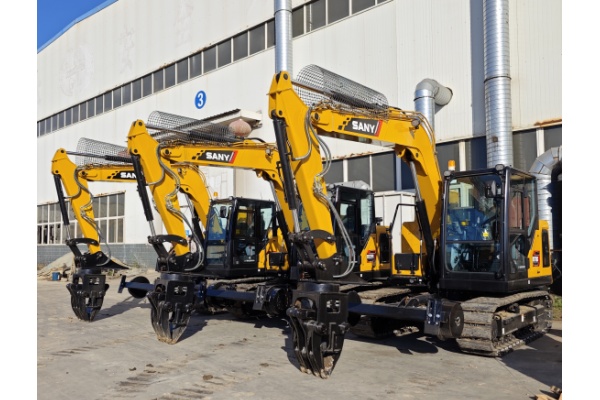
Annual Maintenance
Comprehensive system repair
Annual comprehensive maintenance is crucial to extending the life of your vehicle.railway variable. This process includes the complete disassembly and inspection of the spank clamp mechanism - the main component responsible for handling railroad spanks. Check all hydraulic cylinders for internal splits, piston wear and seal condition, repairing any components showing signs of deterioration. Check the pressure of the entire hydraulic system to identify any internal leaks or bypasses that may not be visible during normal operation. Check structural components for cracks or deformation, especially in high-stress areas such as boom and wheel mounting points. Professional non-destructive testing may be warranted for critical structural components. Replace all filters, including hydraulic, fuel and air filters, regardless of their visible condition. Verify that all pressure relief valves and control systems are calibrated to factory specifications. This annual maintenance provides an opportunity to correct wear before it leads to a catastrophic failure and helps identify components nearing the end of their service life that should be scheduled for replacement.
Maintenance of engines and power systems
The railroad variable motor and power system require comprehensive annual maintenance to maintain reliability. Perform complete engine maintenance according to manufacturer's instructions, including replacing all filters and fluids. Check fuel injectors for proper atomization and pressure, as poor combustion can result in wasted energy and increased emissions. Check the cooling system thoroughly, including checking radiator pressure and checking thermostat operation. The electrical system requires a thorough inspection - testing the alternator output under load and the condition of the battery under starting load. For vehicles with electronic control systems, connect diagnostic equipment to check for error codes and ensure that all sensors and control modules are operating correctly. Check exhaust systems for leaks or restrictions that could affect engine performance or pose a safety hazard. For diesel engines equipped with emission control systems, check for proper operation and perform any necessary regeneration or cleaning procedures. A well-maintained power system ensures that the alternator has sufficient power for demanding railroad maintenance operations.
Structural integrity assessment
Annual assessment of structural integrity is of paramount importance for safe operationrailway variable. Carry out thorough inspections of all welds, especially those subjected to cyclic loading during back exchange operations. Check all brackets and mounting points for the clamp mechanism, boom, and hydraulic components. Check the machine frame for fatigue cracks, especially around high stress areas and previous repairs. Examine boom components for straightness and alignment, as slight deformations may indicate past overload or structural weakness. The operator's cab and mounting structure require careful integrity inspection because operator safety depends on the strength of the cab structure. Check that all safety features, ladders and platforms maintain their structural integrity. Any identified design problems must be repaired immediately by qualified personnel using manufacturer approved repair procedures. Documenting all structural inspections and repairs creates an important history that informs future maintenance decisions and demonstrates compliance with safety regulations.