
What are the common uses of a railroad dust bucket excavator?
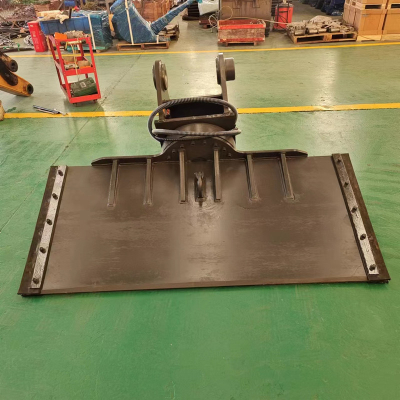
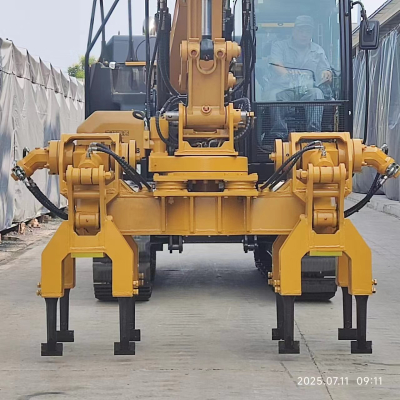
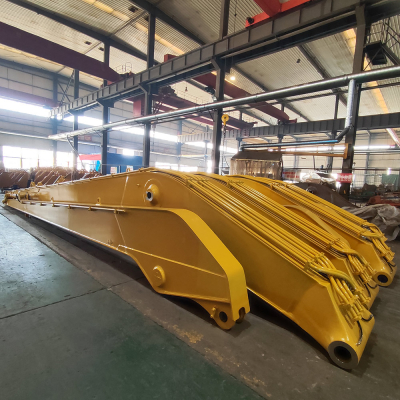
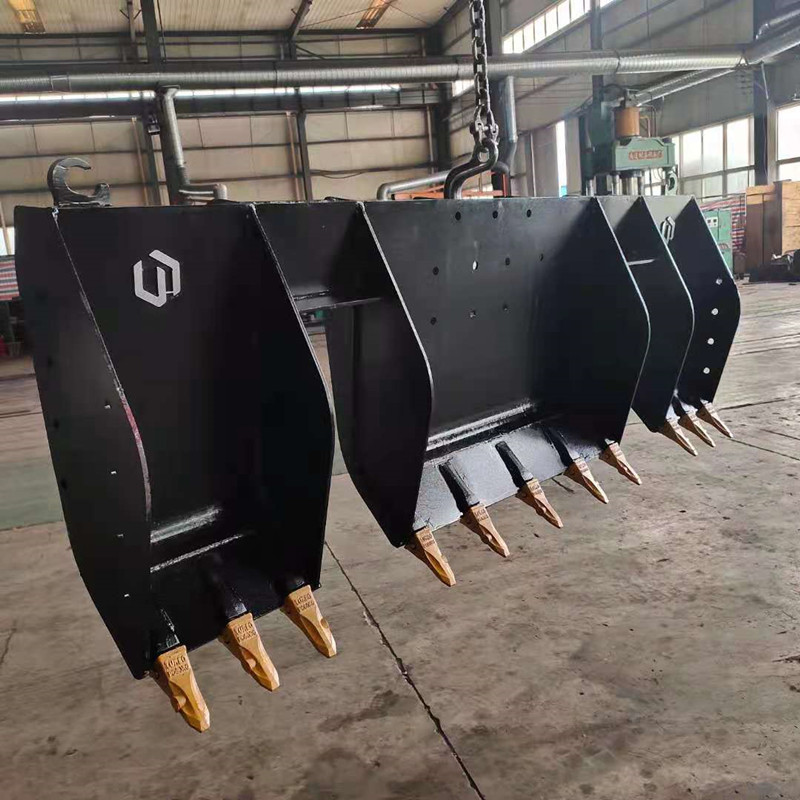
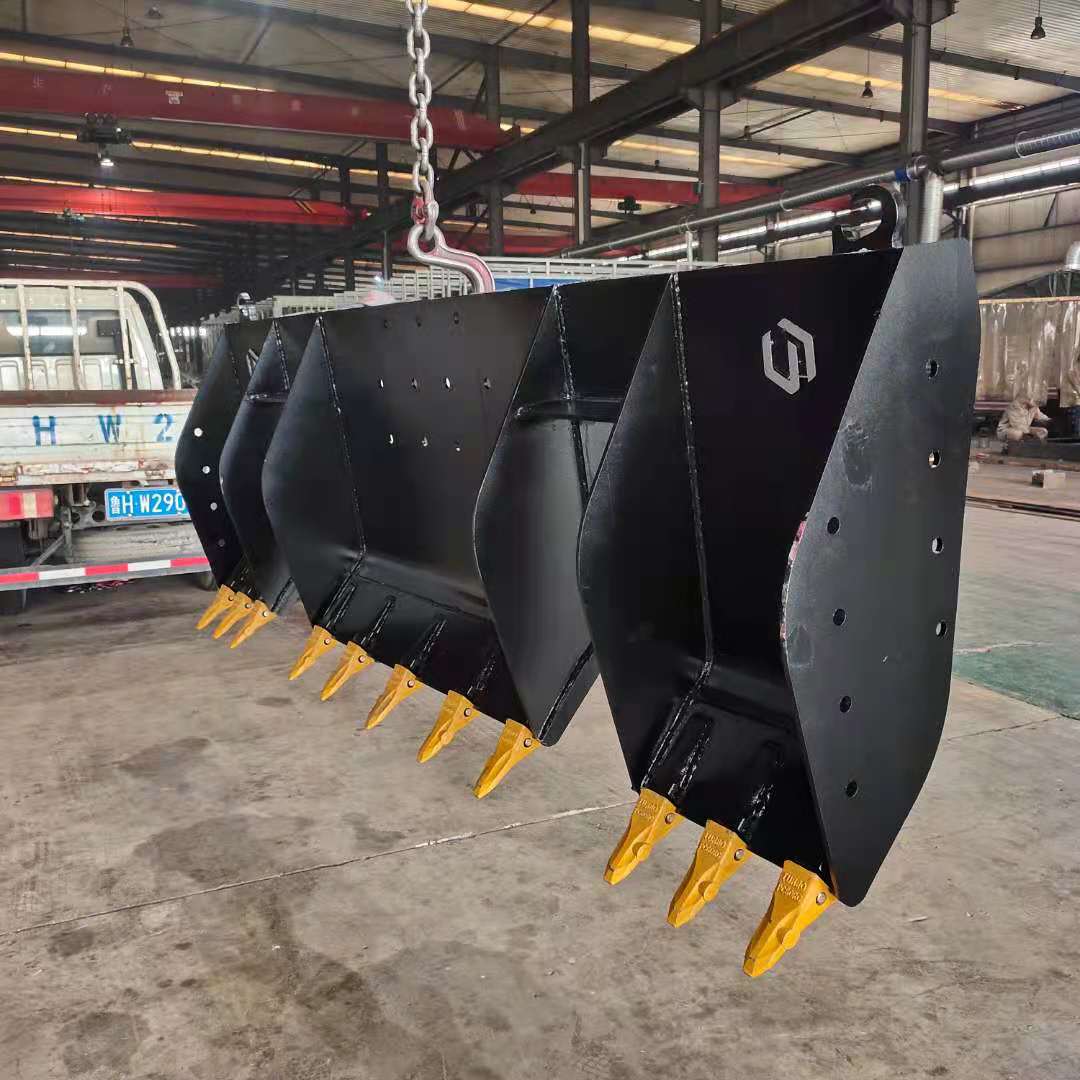
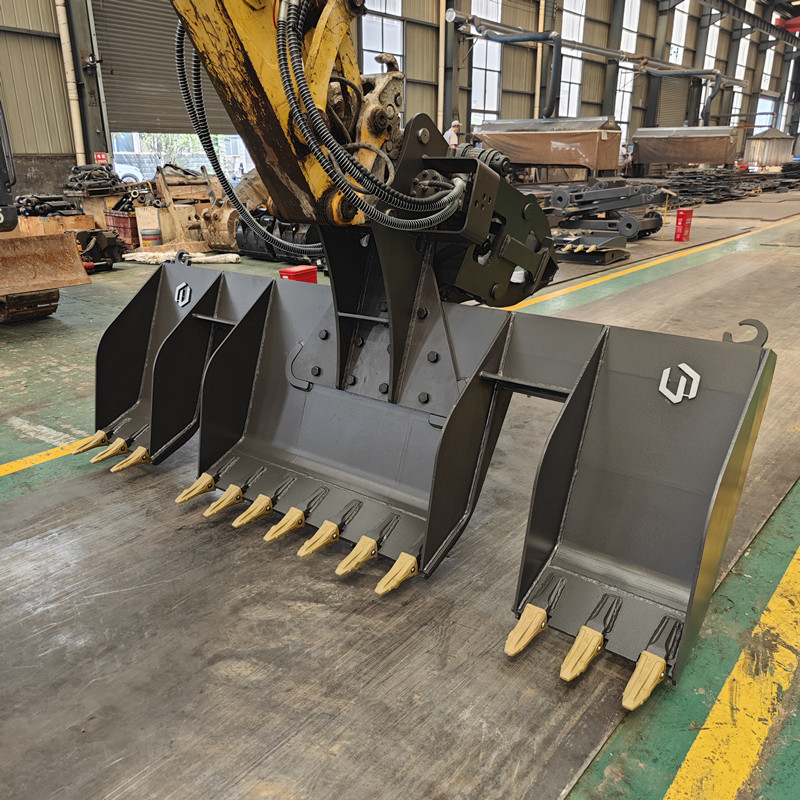
The railway excavator is a dusty bucket is an indispensable mount for the modern railway infrastructure of service and construction operations. This specialized equipment combines the effectiveness of the traditional functionality of the excavator with the design features specific for railway transport, which allows operators to solve complex problems along railway corridors. The technical maintenance specialists of the railways are largely relying on these universal tools for various applications, starting from the usual cleaning of the rails to extensive ballast replacement projects. The unique design of a dusty bucket allows you to effectively process materials, while maintaining accurate control necessary for sensitive railways.
Railway cleaning and garbage removal
Plant and purification of organic matter
Railway corridors are constantly struggling with a steady growth of nature, which makes vegetation control an important constant problem for railway operators. A dusty bucket railway excavator differs in the removal of overgrown brushes, fallen trees and accumulated organic garbage, which can jeopardize the safety and operational efficiency of the road. Railway maintenance groups use these attachments to move trees, brushes, trees, mud, boulders and rocks, while improving the general drainage along the railway road. A wide opening and a strong design allow operators to collect a significant amount of vegetation in one pass, sharply reducing the time required for servicing the corridor.
Seasonal garbage presents unique problems throughout the year, from the accumulation of autumn leaves to damaged vegetation storm. The design of a dusty bucket takes into account these different conditions, providing excellent retention of the material, allowing the effective discharge in certain areas of removal. Professional operating teams understand how these devices can move in narrow spaces between rails and infrastructure, while maintaining freedom necessary for safe railway operation.
Removing foreign objects and waste
Railways often accumulate other people's objects, starting from building materials to unauthorized discharge. The versatility of a dusty bucket will glittered when collecting mixed types of garbage, from small multiple objects to larger discarded materials. Its enhanced design processes sharp objects and heavy materials without compromising constructive integrity, providing reliable operation during intense cleaning operations.
Emergency situations often require quick removal of garbage after accidents or heavy weather phenomena. The dust excavator of the dusty bucket allows you to quickly mobilize the cleaning efforts, which allows the teams to effectively restore the availability of the route. The ability to fasten the work in limited spaces makes it especially valuable for response to incidents, when traditional cleaning methods can be inadequate or unsafe.
Service of the drainage system
The correct drainage remains fundamental for the durability of the railway infrastructure, preventing the accumulation of water, which can undermine the stability of the track. Railway excavator dust buckets facilitate the comprehensive cleaning of the ditch and maintenance of channels, effectively removing accumulated precipitation, garbage and vegetation, which prevent the flow of water. A wide fastening profile and controlled reset capabilities make it ideal for creating and maintaining proper drainage gradients along the railways.
Routine drainage maintenance prevents expensive infrastructure damage, while ensuring compliance with regulatory standards in the field of environmental and safety. The exact management of the dust bucket allows the operators to work near the sensitive areas, without violating the neighboring infrastructure, which makes it a necessary tool to maintain a delicate balance between effective drainage and infrastructure protection.
Maintenance and replacement of ballast beds
Removing polluted ballast
Ballast degradation is one of the most serious current problems in the maintenance of railways, which requires systematic removal and replacement to maintain the stability of the railway track. Over time, the ballast will be worn out and loses its cargo, becoming rounded, which requires regular cleaning and replacement. A dusty bucket railway excavator provides an effective solution to remove contaminated ballast material, allowing the service teams to eliminate polluted sections before they jeopardize the integrity of the rail.
The fastening design takes into account the unique problems of the dealing with ballast, from various sizes of aggregate materials to the need for accurate placement during substantive operations. Professional operating commands rely on these tools to extract polluted materials, while minimizing violations of neighboring sections of the route. The controlled removal process provides a violation of only the necessary materials, reducing waste and increasing the efficiency of the project.
Distribution and placement of fresh ballast
The distribution of fresh ballast requires accuracy and control to achieve the correct geometry and stability of the track. Railway excavators differ in the transportation and placement of ballast materials with the accuracy necessary for the professional construction of the rails. The wide opening of the fastening facilitates the fast loading from the supply sources, while its controlled reset mechanism allows you to accurately place along sections of the highway.
The high -quality placement of ballast directly affects the performance and durability of the route, which makes the right choice of equipment extremely important for successful projects. The ability of a dusty bucket to process various types and quantities of materials makes it adapted to various requirements of the project, from small maintenance operations to large -scale reconstruction efforts. Experienced operators understand how these fasteners support the integrity of the material during transportation and placement.
Management of shoulder ballast
Cleaning the shoulder ballast consists of removing ballast at the end of the connections, screening of ballast and the release of thin and dirty materials and the restoration of a good ballast to the shoulder. A decisive role in this process is played by a dusty bucket of the railway excavator, effectively collecting and moving ballast materials during shoulder maintenance operations. Its wide profile and controlled work make it ideal for working in closed spaces typical of the shoulder areas.
Proper maintenance of the shoulders provides adequate drainage of the track, while ensuring the stability of the overall design of the highway. The versatility of a dusty bucket allows the operators to perform both removal and posting operations with the same mount, simplifying the workflow and reducing the need for equipment. This effectiveness leads to a decrease in the costs of the project and increase the flexibility of planning for maintenance operations.
Processing of materials in railway construction
Transport of building materials
Railway construction projects provide for significant requirements for the processing of materials, from the transportation of concrete components to the movement of specialized materials for railway roads. The railway excavator dusty bucket serves as a universal tool for these demanding applications, offering power and control necessary for the effective movement of the material. Its strong design copes with heavy loads, while ensuring the accuracy necessary for accurate placement in the construction conditions.
The effectiveness of the project often depends on the effective processing of materials, which makes the choice of equipment critical for successful results. The ability of a dusty bucket to adapt to various types of materials and the requirements for circulation makes it valuable for various construction applications. Professional construction teams value how these mounts support performance, ensuring the safe processing of valuable materials.
Excavations and land
Railway construction often includes extensive soil work, from the creation of equal construction pillows to the installation of proper drainage profiles. The dust -free bucket railway excavator provides excellent performance for these applications, combining the effective removal of the material with the exact discharge capabilities. Its wide profile maximizes the performance in mass excavations, while maintaining the control necessary for finishing work.
Complex railway projects often require various approaches to excavations, from gross excavations to accurate classification. The versatility of a dusty bucket satisfies these changing requirements without the need to change equipment, increase the efficiency of the project and reduce mobilization costs. Experienced operators value how these fasteners support consistent performance in various soil conditions and phases of the project.
Preparation and cleaning of the object
Effective preparation of the site creates the basis for successful railway construction projects that require careful cleaning and organizing materials. Railway excavator dust buckets differ in these preparatory tasks, effectively collecting and moving garbage when preparing sites for construction activities. The design of the application takes into account the mixed types of materials, usually found during the preparation of the place.
Cleaning after construction requires similar versatility and efficiency, which makes a dusty bucket valuable throughout the life cycle of the project. Its ability to process both thin and gross materials provides comprehensive cleaning opportunities, supporting the completion of the project and compliance with regulatory provisions. Professional construction teams rely on these accessories to maintain a clean, organized working environment that increases safety and performance.