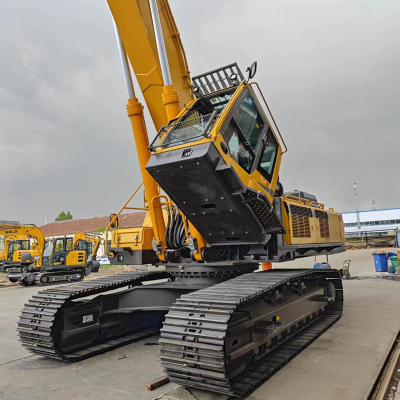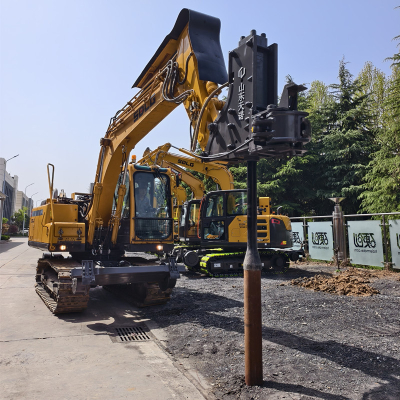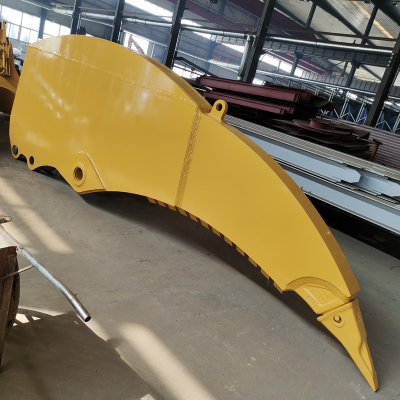

Hydraulic Clamp for Excavator
Hydraulic grippers for excavators, in particular hydraulic rail clamps, are indispensable tools in modern railway construction and maintenance. These powerful attachments improve the efficiency and accuracy of rail work. By securely gripping and moving rails, these grips enable excavators to tackle tough jobs with ease. Their versatility makes them indispensable in railway construction, maintenance and management, as well as in a variety of industries including construction, mining and demolition.
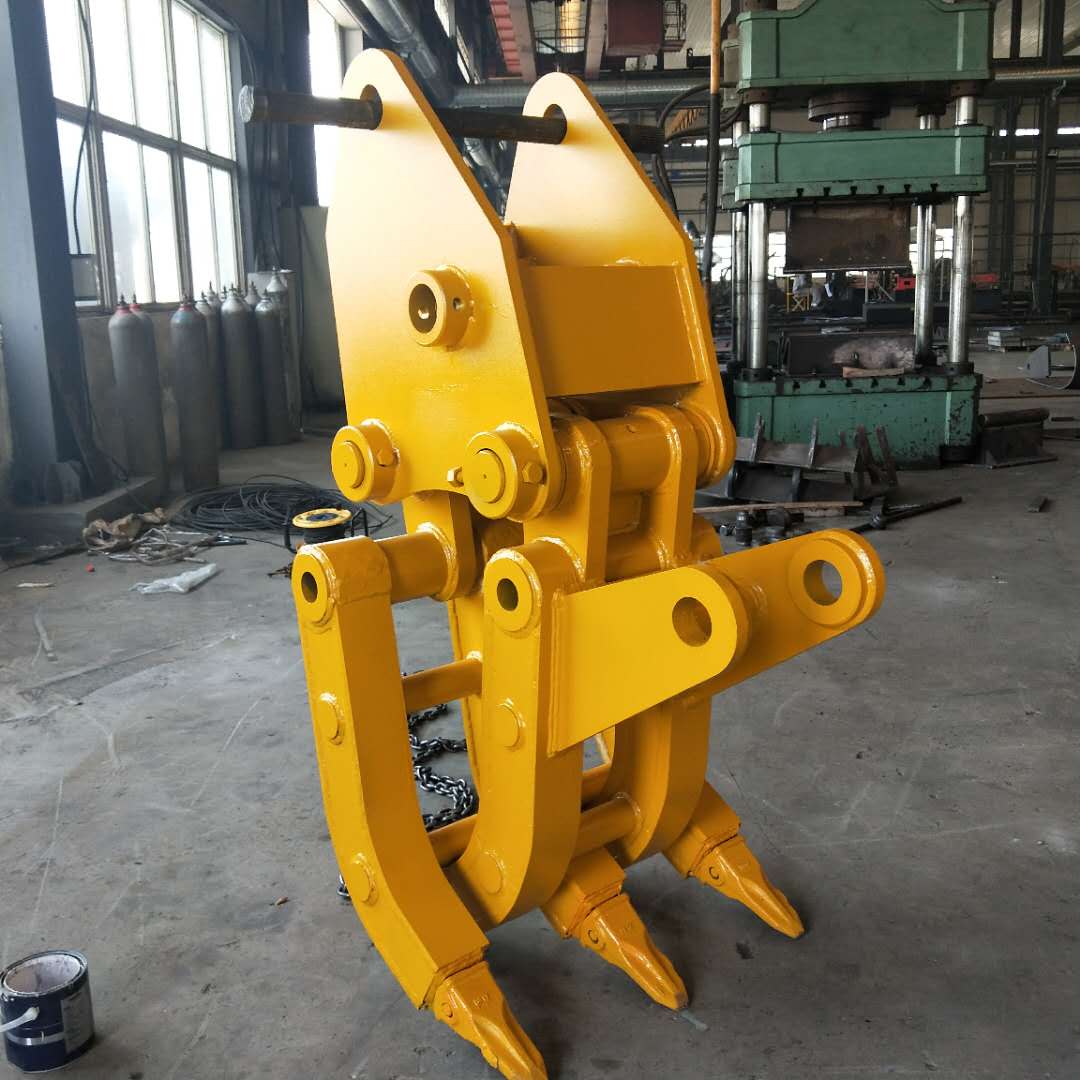
Tool mounted on excavator boom
Universal attachments for excavation work
Hydraulic excavator grapples are a revolutionary attachment that transforms standard excavators into multi-functional machines. These grapples easily attach to the excavator boom, expanding its capabilities far beyond digging and moving soil. In rail transport hydraulic rail clamps prove particularly valuable in allowing for precise machining and positioning of rails.
The versatility of these devices is truly astounding. They can grip, lift, and lay rails with incredible precision, making them ideal for track laying. maintenanceand replacement tasks. But their use isn't limited to rail work. In construction and demolition, these grapples can handle a variety of materials, from concrete blocks to steel beams, expanding the excavator's functionality across a variety of jobsites.
Easy installation and removal process
One of the key advantages of hydraulic grippers is their user-friendly design, allowing for quick installation and removal. This feature is critical for construction and railroad companies that have to change out attachments frequently. Typically the process involves connecting the grapple to the excavator's hydraulic system and attaching it to the boom or arm.
Most modern hydraulic grapples are equipped with a quick-release coupling system, allowing operators to change attachments in minutes without leaving the cab. This efficiency reduces downtime and increases productivity on the job site. The ease of installation also allows one excavator to be quickly adapted to different tasks throughout the day, maximizing equipment efficiency.
Improving the functionality of excavators in railway projects
In railway projects, hydraulic grippers greatly enhance the functionality of an excavator. They provide precise rail control, which is critical to keeping track level and trains running smoothly. These grips securely grip rails of varying sizes and weights, providing controlled movement during installation or replacement.
Moreover, hydraulic rail clamps provide efficient ballast control. They can be used to regulate the distribution of ballast, ensuring proper support for the rails. This capability is critical to maintaining track stability and preventing problems such as track alignment or misalignment. By increasing excavator versatility on rail projects, these clamps help reduce turnaround time and improve quality results.
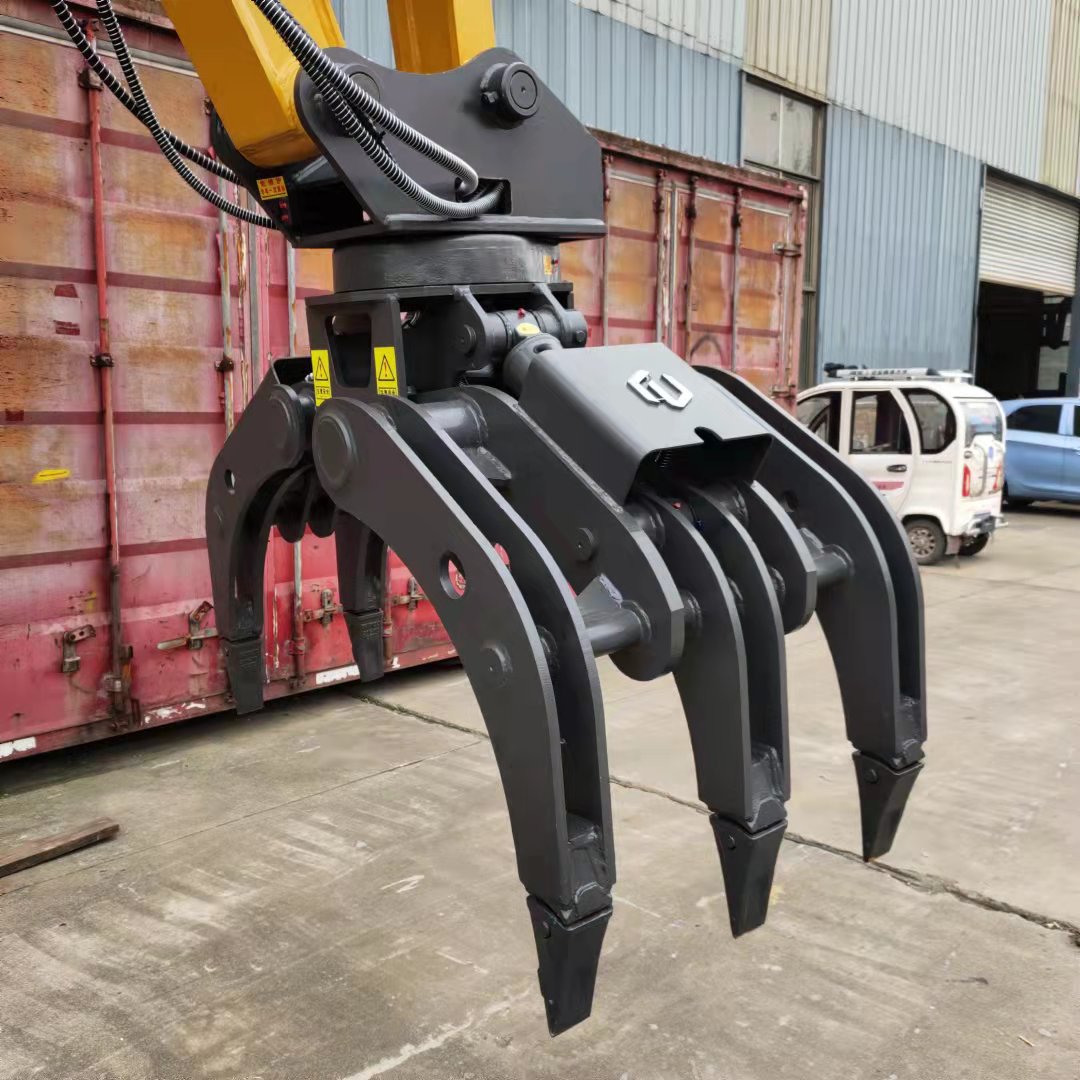
Powered by hydraulic system
How does hydraulic pressure affect clamping performance?
The power of hydraulic clamps lies in their complex hydraulic system. These systems use the principles of fluid mechanics to generate enormous force, allowing the clamps to reliably grip and move heavy rails and other materials. The hydraulic system consists of a pump, valves and cylinders that coordinately control the movement of the clamp.
When activated, a hydraulic pump forces fluid, usually oil, which is then sent through valves to the corresponding cylinders. This pressurized fluid causes the cylinders to extend or retract, opening or closing the clamp jaws. Pressure can be precisely adjusted, allowing operators to apply just the right amount of force for each task, whether it's smoothly positioning a rail or firmly gripping it for transport.
Advantages of hydraulic clamps over mechanical ones
Hydraulic grips have a number of advantages compared to their mechanical counterparts. First, they provide superior power and precision. The hydraulic system is able to generate and maintain constant force, providing a secure grip even when working with heavy or complexly shaped objects. This is especially important when working on railroads, where gripping accuracy is critical to safety and efficiency.
In addition, hydraulic clamps provide greater flexibility in operation. Clamping force can be easily adjusted depending on the material and task at hand, which is often more difficult with mechanical clamps. This flexibility makes hydraulic clamps more versatile, allowing you to perform a wider range of jobs without the need for multiple specialized attachments.
Tips for servicing hydraulic rail clamp systems
For optimal performance and durability hydraulic rail clampsRegular maintenance is extremely important. Start with a daily visual inspection for wear, damage, or hydraulic fluid leaks. Check and tighten all bolts and fittings regularly as vibration during operation can cause them to loosen.
It is extremely important to keep the hydraulic fluid clean and at the correct level. Contaminated or low fluid can result in reduced performance and potential system damage. Replace hydraulic filters according to the manufacturer's recommendations to prevent contaminants from circulating through the system. Also, make sure all moving parts are properly lubricated to reduce wear and ensure smooth operation.
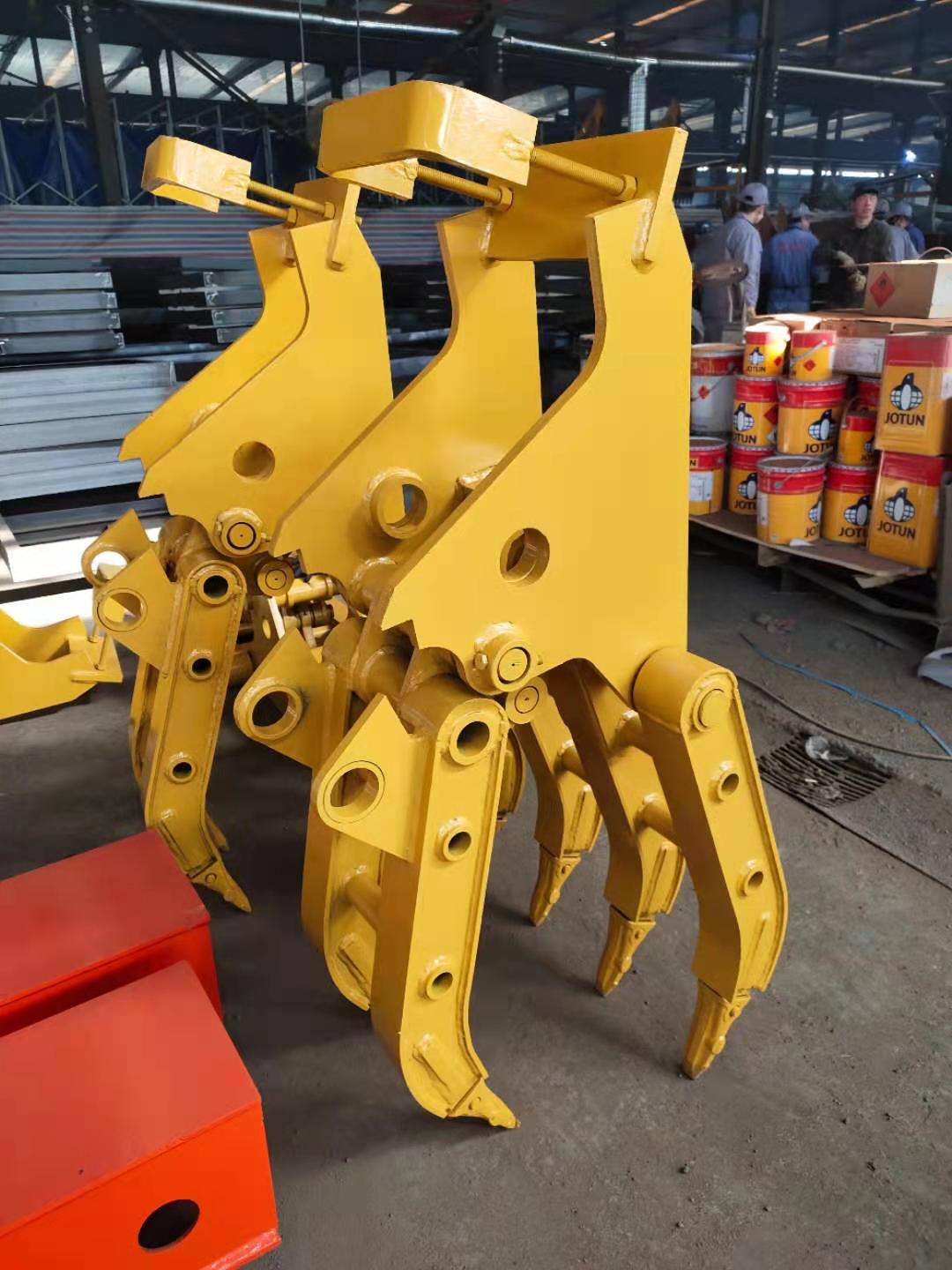
High load-bearing capacity for rail replacement
Precise clamping force for different types of rails
One of the distinctive features of hydraulic rail clamps is their ability to provide precise clamping force for various rail types. This precision is critical during rail replacement, when rails of different sizes and weights require special handling. The hydraulic system allows operators to precisely adjust the clamping force, ensuring a secure grip without risk of rail damage.
For example, when working with lightweight rails used in urban transportation systems, the clamp can be adjusted to reduce the force, preventing potential deformation. Conversely, when working with heavy rails used in freight corridors, the clamp can apply greater force to securely hold these massive components. This adaptability allows… hydraulic rail clampsare indispensable in various railway projects: from the installation of light rail transport to the maintenance of heavy-duty transport lines.
Safety features in high-capacity rail clamps
Safety is paramount in rail transportation, and high-performance hydraulic rail clamps are equipped with a number of features to ensure the safe handling of heavy rails. Many models feature built-in relief valves that prevent over-clamping, protecting both the rail and equipment from damage due to excessive force. Some advanced clamps also feature load retention valves that maintain grip even if hydraulic pressure is lost, preventing accidental drops.
Furthermore, many hydraulic rail clamps are equipped with visual indicators that indicate full clamp engagement, reducing the risk of operator error. Some models also feature automatic locking mechanisms that engage when the clamp reaches a certain pressure, providing an additional level of safety during lifting and transport.
Improving the efficiency of railway replacement projects
The high load-bearing capacity of hydraulic rail clamps significantly improves efficiency during rail replacement. These clamps can handle entire rail sections, allowing for faster rail removal and installation. This reduces the need for multiple lifting operations, minimizing rail downtime and potentially reducing labor costs.
Moreover, the precision of hydraulic clamps ensures precise installation of new rails, which is critical to maintaining correct track alignment. This precision reduces the need for subsequent adjustments, speeding up the overall rail replacement process. By enabling faster and more accurate rail replacement, hydraulic clamps help rail operators minimize disruption to train schedules and make the most of maintenance periods.
The versatility, precision and high load-bearing capacity of hydraulic rail clamps make them indispensable tools in modern railway projects. By providing efficient rail replacement, safety and adaptability to different types of rails, these clamps significantly improve the productivity and quality of rail transportation. As the rail industry matures, hydraulic rail clamps will undoubtedly play an increasing role in the maintenance and expansion of rail networks, making them a smart investment for companies in the industry.
When purchasing hydraulic rail clamps, it is essential to choose a reliable supplier who understands the specifics of the railway and construction industries. Look for manufacturers with a proven track record of producing high-quality, durable clamps that meet international safety standards. Consider factors such as the clamp's compatibility with your equipment, its load capacity, and the range of rail types it supports.
Many manufacturers offer options to tailor the clamp to your specific project requirements. It is recommended that you request detailed product specifications and, if possible, arrange for a demonstration or trial use. Also, pay attention to the after-sales support and warranty offered by the manufacturer, as they can be critical to maintaining the performance of the equipment over the long term.
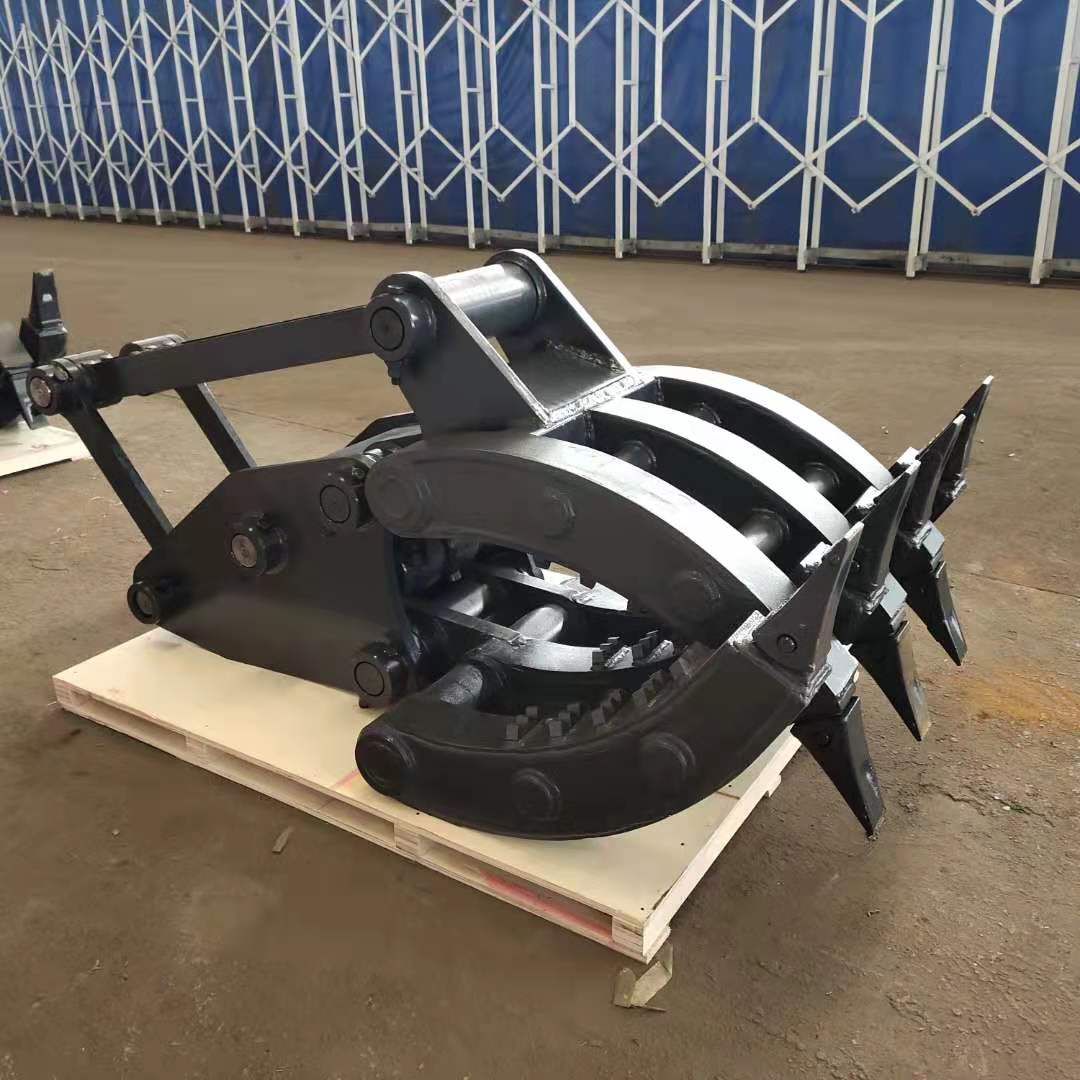
High load-bearing capacity for rail replacement
Precise clamping force for different types of rails
One of the distinctive features of hydraulic rail clamps is their ability to provide precise clamping force for various rail types. This precision is critical during rail replacement, when rails of different sizes and weights require special handling. The hydraulic system allows operators to precisely adjust the clamping force, ensuring a secure grip without risk of rail damage.
For example, when working with lightweight rails used in urban transit systems, the clamp can be adjusted to reduce the force, preventing potential deformation. Conversely, when working with heavy rails used in freight corridors, the clamp can apply greater force to securely hold these massive components. This adaptability allows…hydraulic rail clampsare indispensable in various railway projects: from the installation of light rail transport to the maintenance of heavy-duty transport lines.
Safety features in high-capacity rail clamps
Safety is paramount in rail transportation, and high-performance hydraulic rail clamps are equipped with a number of features to ensure the safe handling of heavy rails. Many models feature built-in relief valves that prevent over-clamping, protecting both the rail and equipment from damage due to excessive force. Some advanced clamps also feature load retention valves that maintain grip even if hydraulic pressure is lost, preventing accidental drops.
Furthermore, many hydraulic rail clamps are equipped with visual indicators that indicate full clamp engagement, reducing the risk of operator error. Some models also feature automatic locking mechanisms that engage when the clamp reaches a certain pressure, providing an additional level of safety during lifting and transport.
Improving the efficiency of railway replacement projects
The high load-bearing capacity of hydraulic rail clamps significantly improves efficiency during rail replacement. These clamps can handle entire rail sections, allowing for faster rail removal and installation. This reduces the need for multiple lifting operations, minimizing rail downtime and potentially reducing labor costs.
Moreover, the precision of hydraulic clamps ensures precise installation of new rails, which is critical to maintaining correct track alignment. This precision reduces the need for subsequent adjustments, speeding up the overall rail replacement process. By enabling faster and more accurate rail replacement, hydraulic clamps help rail operators minimize disruption to train schedules and make the most of maintenance periods.
The versatility, precision and high load-bearing capacity of hydraulic rail clamps make them indispensable tools in modern railway projects. By providing efficient rail replacement, safety and adaptability to different types of rails, these clamps significantly improve the productivity and quality of rail transportation. As the rail industry matures, hydraulic rail clamps will undoubtedly play an increasing role in the maintenance and expansion of rail networks, making them a smart investment for companies in the industry.
When purchasing hydraulic rail clamps, it is essential to choose a reliable supplier who understands the specifics of the railway and construction industries. Look for manufacturers with a proven track record of producing high-quality, durable clamps that meet international safety standards. Consider factors such as the clamp's compatibility with your equipment, its load capacity, and the range of rail types it supports.
Many manufacturers offer options to tailor the clamp to your specific project requirements. It is recommended that you request detailed product specifications and, if possible, arrange for a demonstration or trial use. Also, pay attention to the after-sales support and warranty offered by the manufacturer, as they can be critical to maintaining the performance of the equipment over the long term.