
What materials are used to make ballast cars?
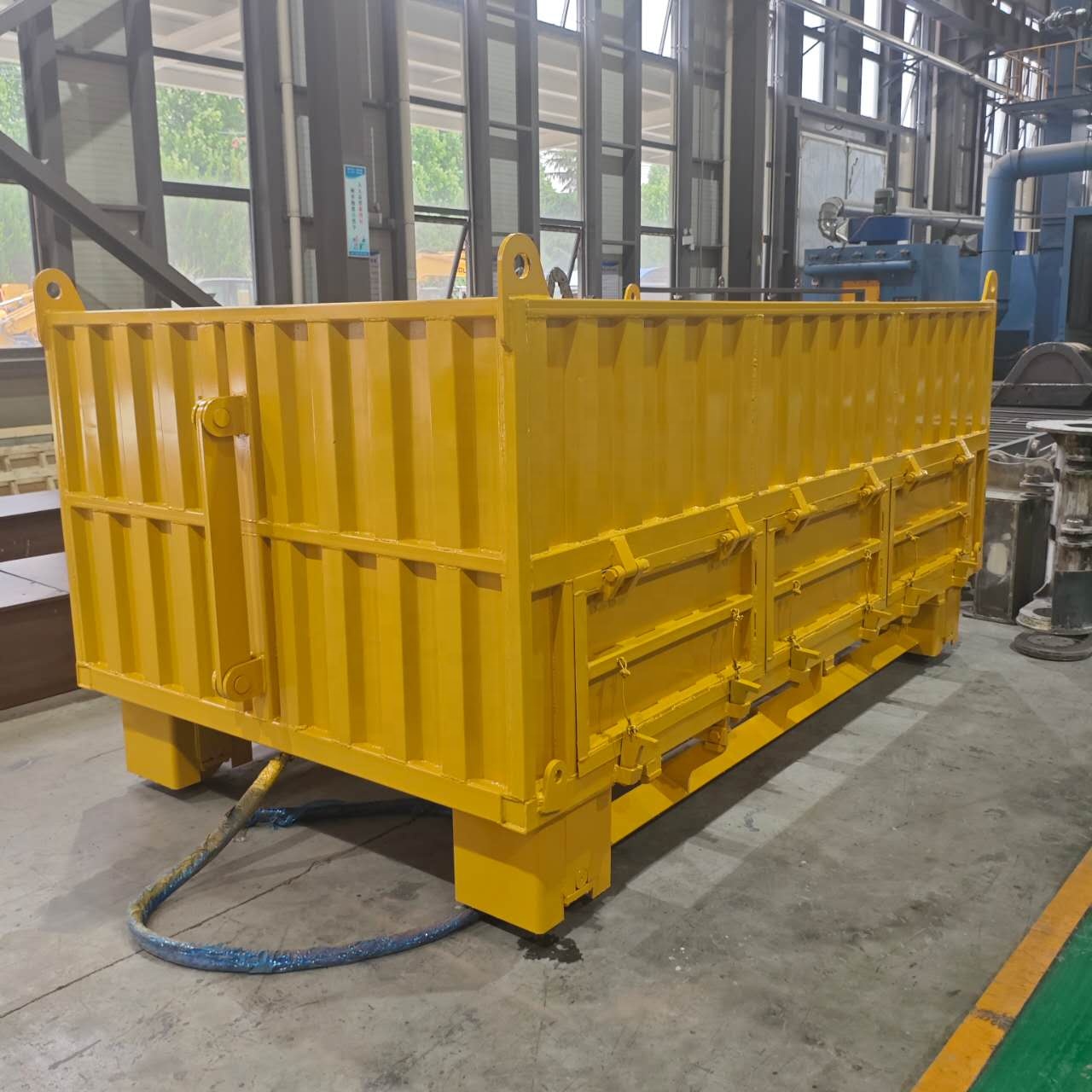
Railway ballast cars They are an integral part of track facilities and are designed for transporting and distributing ballast along railway tracks. These specialized railcars are constructed primarily from high-strength steel, a material chosen for its strength, load-bearing capacity, and corrosion resistance. The use of steel in the production of ballast cars ensures the durability of the structure and the ability to withstand repeated use in difficult railway conditions. Additional materials can include reinforced frames, wear-resistant surfaces and recyclable components to help ensure efficient and environmentally friendly railway maintenance processes.
High strength steel
Durability of steel in the design of ballast cars
The basis of any reliable railway ballast car is its high-strength steel construction. The choice of this material is not accidental, it is the result of many years of engineering experience and rigorous testing. The properties of steel make it an ideal material for the harsh operating conditions of railways. Its tensile strength allows ballast cars to carry enormous loads of stone and gravel without warping or deformation, even under the vibration and stress of high-speed traffic.
Moreover, the strength of steel extends the life of ballast cars, reducing the frequency of their replacement and repair. This durability is critical for railroad companies looking to optimize maintenance budgets and ensure consistent track quality over time. The strength of the steel also means that ballast cars maintain their structural integrity even in extreme weather conditions, from scorching heat to freezing temperatures.
Load capacity increased due to steel components
The impressive load-carrying capacity of railway ballast cars is directly due to their steel components. Engineers carefully design these cars to maximize loading capacity within the constraints of the railroad gauge. The use of high-strength steel alloys allows for thinner yet stronger walls and bottoms, effectively increasing the internal volume available for ballast without compromising structural integrity.
Increased load capacity ensures more efficient track maintenance. Crews can move more crushed stone in one trip, reducing the number of trips required to complete work on a section of track. As a result, not only time is saved, but also fuel consumption and the overall operating costs of railway maintenance teams are reduced.
Corrosion-resistant steel alloys for durability
Corrosion is a serious problem in the railroad industry, where equipment is constantly exposed to moisture, chemicals and abrasives. To combat this problem, manufacturersrailway ballast carsuse corrosion-resistant steel alloys. These specially engineered metals contain additional elements such as chromium and nickel, which form a protective oxide layer on the surface that protects the base metal from deterioration.
The use of these advanced alloys significantly extends the life of ballast cars, reducing the need for frequent replacement and minimizing maintenance downtime. This durability not only has a positive impact on railroad companies' bottom lines, but also contributes to the overall sustainability of rail infrastructure by reducing the need for new materials and manufacturing processes over time.
Long term structural integrity
Reinforced frames for increased performance
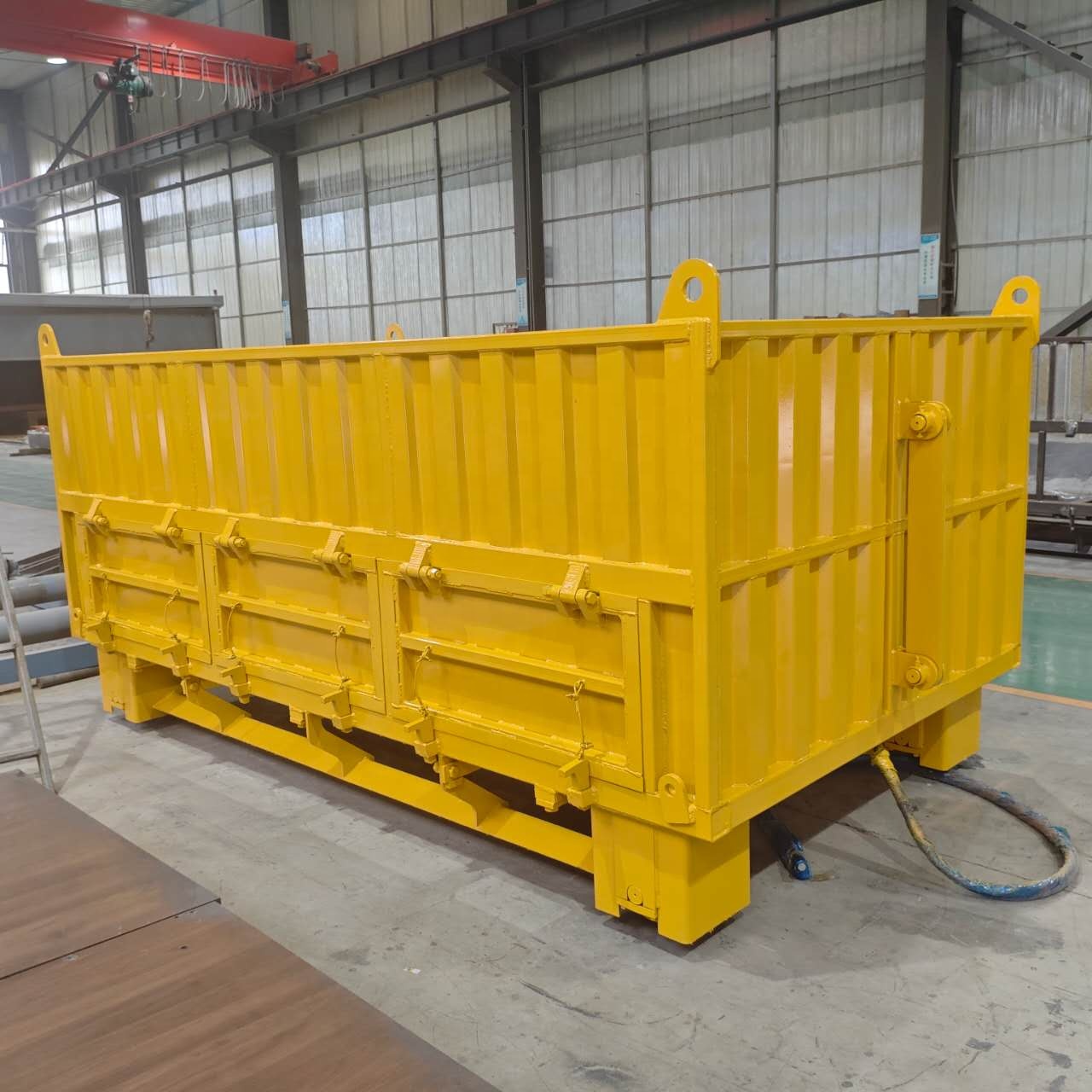
The long-term structural integrity of railway ballast cars is of paramount importance to their efficiency and safety in track maintenance. At the heart of this durability are reinforced frames that are carefully engineered to withstand harsh conditions. These frames are not just steel frames, but complex structures designed to evenly distribute loads and absorb the constant shock and vibration associated with rail transportation.
Manufacturers use advanced welding techniques and strategic reinforcement points to create frames that can last for years without issue. The integration of cross members and corner joints at critical assemblies increases the overall rigidity of the ballast car, preventing twisting and distortion even in the most challenging conditions. This robust design ensures that the car retains its form and function, ensuring accurate ballast distribution throughout its service life.
Impact-resistant design for transporting ballast
Transportation ballast- not an easy task. When loading, transporting and unloading tons of crushed stone and gravel, ballast cars must withstand significant shock loads. To cope with this challenge, engineers are implementing impact-resistant elements throughout the car's structure. This includes specially shaped hoppers that minimize the force of ballast drop during loading, and strategically placed wear plates in high impact areas.
Additionally, the use of energy-absorbing materials in key locations helps dissipate impact loads, protecting the car's structural components from accumulating damage. These design features not only extend the life of the ballast car, but also improve operational safety by reducing the risk of material destruction during operation.
Strength-tested materials for railway transport
Before any material is approved for use inrailway ballast carsIt undergoes rigorous durability testing to ensure its suitability for railway use. These tests simulate the extreme conditions ballast cars will encounter throughout their service life, including cyclic loading, thermal stress, and exposure to corrosive environments.
Materials that pass these rigorous tests demonstrate the ability to maintain structural integrity over time, even in harsh railroad environments. This comprehensive testing regime not only confirms the correct choice of materials, but also serves as the basis for the further development of new, stronger materials for future generations of ballast cars.
Reuse
Wear-resistant surfaces for continuous operation
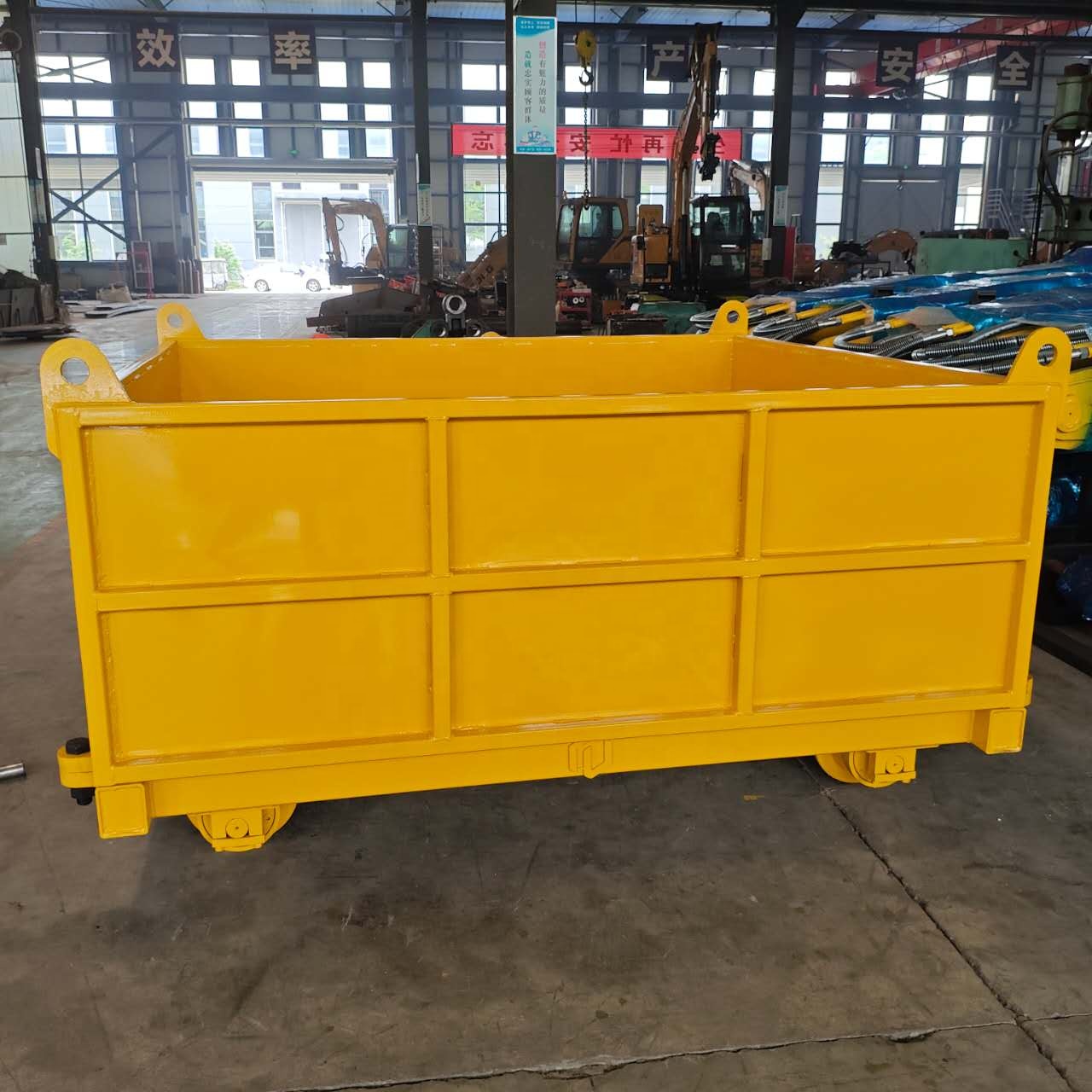
The ability to withstand repeated use is a hallmark of well-designed railway ballast cars .To achieve this goal, manufacturers place special emphasis on creating wear-resistant surfaces that can withstand the abrasive effects of ballast materials. High-strength coatings and hardened steel overlays are used in areas subject to the highest friction and impact loads during loading and unloading operations.
These wear-resistant surfaces not only protect the ballast car's core structure but also ensure long-term trouble-free operation. By reducing friction and preventing material buildup, these surfaces ensure uniform ballast flow during unloading, maintaining track maintenance efficiency even after many years of use.
Easy-to-clean materials for frequent use
Given the frequent use of ballast cars in railway maintenance, ease of maintenance is a critical factor in material selection. Engineers select materials and designs that allow for quick inspection, easy cleaning, and simple repair. This may include modular components that are easily replaced or surfaces that prevent debris accumulation.
The use of easy-to-maintain materials reduces downtime, allowing ballast cars to remain in service longer. This efficiency is critical to meeting tight track maintenance and modernization schedules, which ultimately contributes to the overall reliability of rail networks.
Recyclable components for sustainable railway maintenance
As the rail industry increasingly focuses on sustainability, the materials used in the construction of ballast cars are selected with recyclability in mind. Steel, the main component of these cars, is easily recyclable, allowing materials to be reused after the ballast car has reached the end of its life.
In addition to steel, manufacturers are exploring the use of other recyclable materials for non-structural components, such as recycled plastic for some parts or reclaimed rubber for seals. This approach not only reduces the environmental impact of ballast car production, but is also consistent with the wider sustainability goals of modern rail transport.
The materials used in the manufacture of ballast cars play a critical role in their performance, durability and efficiency in track maintenance. The core is made from high-strength steel, providing the strength and lifting capacity needed to carry heavy ballast loads. Long-term structural integrity is ensured by reinforced frames and impact-resistant construction, while wear-resistant surfaces and recyclable components meet reusability and environmental requirements. As rail technology advances, ballast car materials and designs will continue to improve, opening up the prospect of even more efficient and environmentally friendly solutions for rail infrastructure maintenance in the future.