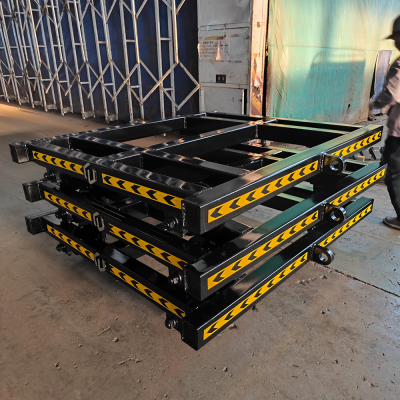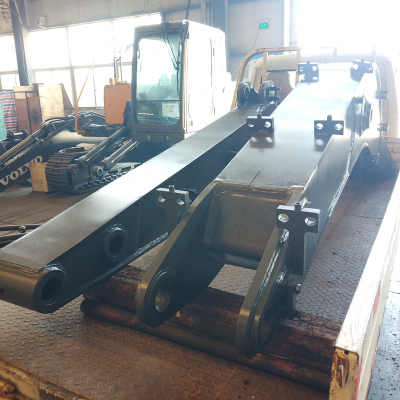

Ballast Crusher for Crushed Stone Defects
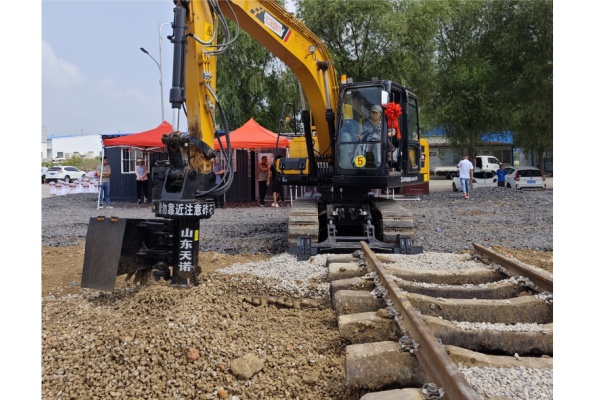
When it comes to servicing railway tracks, The cut of the ballast is blasterIt differs in the most important function of equipment. This powerful machine eliminates various ballast defects, ensuring the durability and safety of railway infrastructure. Solving problems such as sealing, pollution and deformation, the cut -up plays a crucial role in maintaining the stability and operational characteristics of the path. Let's take a closer look at how this innovative technology fights with various types of ballast defects, radically changing approaches to railways.
Ballast seal
The impact of the seal on the stability of the path
Ballast seal is a hidden threat that gradually reduces the stability of the path. With multiple trains, ballast under it experiences strong pressure, which leads to its seal. This process reduces the voids between the particles of ballast, reducing their ability to drain water and effectively distribute the load. Result? A less stable path design, more susceptible to precipitation and geometry problems.
Sealing ballast can cause domino effect. It makes it difficult to drain, which leads to the accumulation of water in the track structure. This accumulated moisture accelerates the degradation of ballast and can even damage the subgrade. Moreover, a decrease in the elasticity of the compacted ballast leads to a decrease in the absorption of the energy of passing trains, which potentially increases the wear of both rolling stock and elements of the path.
Solutions for trimming the compacted ballast
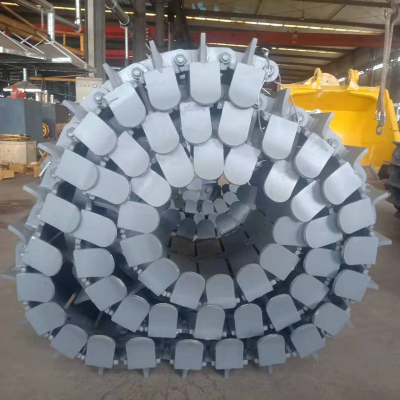
EnterThe cut of the ballast is blaster – a revolutionary solution to compaction problems. This specialized machine works by cutting through the aggregate underneath the tracks, loosening and removing compacted aggregate. The process involves a cutting chain or wheel that penetrates the aggregate layer, breaking up the compacted material.
After loosening, the aggregate is fed to an on-board sorting unit. Here, the material is sorted and the reusable aggregate is separated from small particles and contaminants. The cleaned, screened aggregate is then returned to the track bed and the waste is removed. This process not only improves compaction, but also increases the overall quality of the aggregate.
Preventive measures: maintaining optimal ballast density
Although cutting is an effective solution, prevention is always better than treatment. Maintaining optimal ballast density requires a proactive approach. Regular track checks using a georadar can help identify sections of excessive seal before they become a problem. In addition, the introduction of a schedule of periodic tamping and alignment can help maintain the correct distribution and density of ballast.
Another preventive measure involves the use of geotextiles or geocomposites under the ballast layer. These materials contribute to a more uniform distribution of the load and prevent the lifting of small particles from the subgrade, which leads to its compaction. Combining these preventive measures with timely cutting, if necessary, railway operators can significantly extend the life of the ballast and maintain optimal operational characteristics of the track.
Ballast pollution
Identification of sources of ballast pollution
Ballast pollution is a common problem that can significantly affect the operational characteristics of the path. Understanding the causes of pollution is crucial for effective management. One of the main factors is the natural destruction of ballast crushed stone under the influence of a constant load from the movement of trains. As a result of this process, small particles accumulate in the voids between large stones, which reduces drainage ability.
External factors also play a role in pollution. Coal dust from freight trains, organic substances from the surrounding vegetation and soil from the subgrade - all this can contribute to the occurrence of a problem. In urban areas, garbage and fragments falling on the way exacerbate pollution. Even atmospheric pollutions over time can settle on ballast, gradually worsening its quality.
Explosive methods to remove contaminated ballast
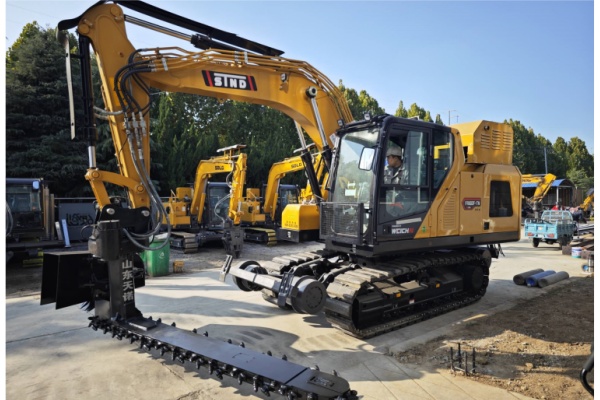
Territoryballast cutter blaster Uses innovative methods to deal with contaminated aggregate. High pressure air jets are often used to mix and loosen contaminated material. This process separates small particles from larger, recyclable aggregate. The loosened material is then removed by a chain or wheel mechanism of the cutter.
Some modern trimmers are equipped with a water spray and air jet system. This combination provides a powerful cleaning effect, washing away dirt and minimizing dust formation. The wet cleaning process is especially effective in removing stubborn dirt stuck to the surface of the ballast.
Cleaning Gravel: Cutters vs. Roadside Cleaners
While both track cutters and track cleaners are designed to improve the quality of the ballast, their purposes are different. Track cutters, as the name suggests, work underneath the track to remove contaminants across the entire surface of the ballast. They are ideal for complex track renewal projects and heavy contaminants.
Verge cleaners, on the other hand, focus on the gravel at the edges of the road. They are less invasive and can be used more frequently as part of routine maintenance. Although they are not as thorough as cutters, they play an important role in preventing debris from spreading from the edges of the road inward.
The choice between cutters and shoulder cleaners often depends on the degree of contamination and the specific needs of the track section. In many cases, a combination of both methods provides the most comprehensive approach to ballast cleaning and maintenance.
Ballast deformation
Common Causes of Ballast Deformation on Railways
Ballast deformation is a serious problem in servicing railways due to various factors. One of the main reasons is the dynamic load from passing trains. Repeated voltage cycles can lead to redistribution of particles and sediment, which leads to irregularities in the surface of the track. This problem is especially acute in areas with intensive traffic or high axial loads.
Environmental factors also contribute to deformations. Freezing and thawing cycles in cold regions can cause fusion of ballast, and abundant precipitation can lead to erosion or removal of dirt from the subgrade. In addition, insufficient drainage can lead to water accumulation, softening ballast and the subgrade, which accelerates deformation under load.
Strategies for trimming deformed ballast sections
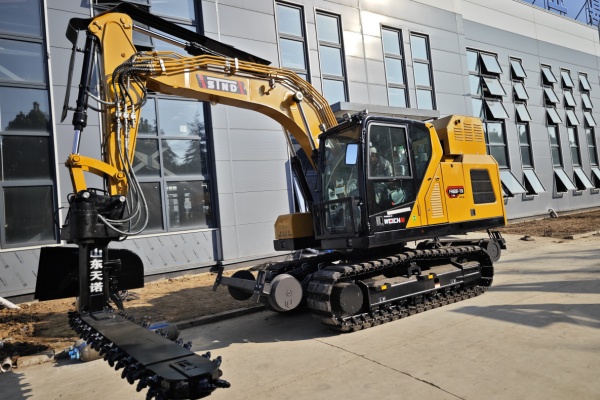
The solution to the problem of deformed ballast sections requires a targeted approach.The cut of the ballast is blaster plays an important role in this process. When processing deformed areas, the cutting depth of the undercutter is carefully adjusted to ensure that all affected material is removed. In order to achieve stable layers, deeper cutting may be required than in standard repair work.
In heavily deformed areas, the undercutting process can be combined with the rehabilitation of the roadbed. This may include the installation of geotextiles or geogrids to provide additional stability. The ability of the undercutter to precisely control the depth of the excavation allows these solutions to be implemented without the complete dismantling of the track structure.
Innovative technologies for crushing crushed stone to restore shape
Recent advances in ballast blasting technology have created more efficient ways to restore the shape of deformed areas. Some modern undercutters are equipped with adjustable cutting profiles, allowing them to recreate the ideal ballast cross-section in a single pass. This capability greatly reduces the need for subsequent adjustment work.
Another innovation is the integration of laser guidance systems. These allow precise control of the undercut depth and profile, ensuring consistent results even with varying degrees of deformation. Some systems can even adjust parameters in real time based on continuous measurements of the track geometry, optimizing the forming process as it progresses.
The ballast cut with crushing crushed stone turned out to be an indispensable tool in the fight against various ballast defects. Effectively eliminating sealing, pollution and deformation, it plays a crucial role in ensuring the safe and efficient operation of railways. As technology develops, one can expect the appearance of even more innovative solutions that will expand even the capabilities of these machines even more. For railway operators and technical maintenance brigades, investments in high -quality subcutaneous equipment and the implementation of regular maintenance schedules will undoubtedly lead to improvement of operational characteristics and increase the life of the track.