
What is a sleeper substitute?
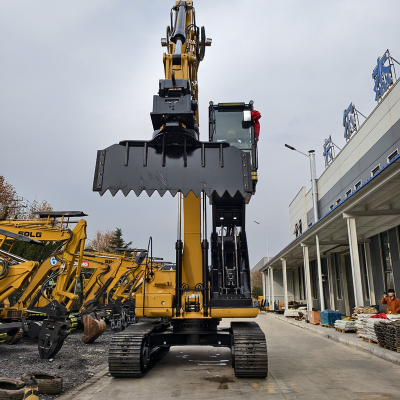
A Railway sleeper substitute Sleeper changers are specialized equipment designed to efficiently replace and install railroad ties, also known as ties. These innovative machines optimize the track maintenance process by automating the removal of old sleepers and the precise installation of new ones. Sleeper replacements play a key role in maintaining the safety and reliability of railway infrastructure, significantly reducing manual labor and increasing the overall efficiency of track renewal projects.
The main functions of sleeper changers explained
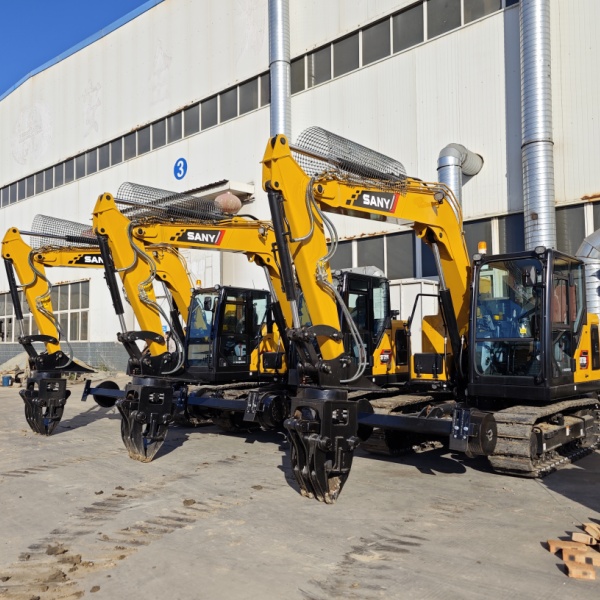
Sleeper replacement machines play a vital role in modern railway maintenance operations. These machines are designed to perform a number of critical functions that ensure the integrity and longevity of railway infrastructure. Let's take a closer look at the key functions of sleeper replacement machines and their contribution to the overall efficiency of railway maintenance.
Effective removal and replacement of old sleepers
One of the primary functions of a sleeper replacement machine is the quick and accurate replacement of worn or damaged sleepers. These machines are equipped with specialized tools that allow for the rapid removal of old sleepers without damaging the adjacent track structure. The sleeper replacement process is typically automated, ensuring consistent and efficient operation and minimizing disruptions to rail traffic.
After removing the old sleepers, the sleeper replacement machine seamlessly moves on to the replacement stage. Modern sleeper replacement machines are designed to handle a variety of sleeper types, including wood, concrete, and composite. This versatility allows the machine to be adapted to various track configurations and maintenance requirements.
Precise positioning of new railway sleepers
Precision is paramount when laying new sleepers. Sleeper replacements use advanced positioning systems and sensors to ensure the perfect placement of each new sleeper. This level of precision is critical to maintaining proper track geometry and ensuring the stability of the track line.
The sleeper replacement machine's positioning mechanism typically includes adjustable levers or clamps that grip and position new sleepers. These components work in conjunction with the machine's control system to ensure the precise positioning and alignment necessary for optimal track operation.
Optimized fastening process for reliable installation
After installing new sleepers, the sleeper changer facilitates their fastening. This function often involves the use of automated tools that allow the rail to be quickly and securely fastened to the new sleepers using appropriate fastening systems.
The fastening process is critical to ensuring the long-term stability and safety of the track. Sleeper replacement devices are designed to ensure the correct force and torque during fastening, reducing the risk of human error and improving the overall quality of installation.
By combining these important functions into one efficient machine, Railway sleeper substitutesThey have revolutionized track maintenance. They not only speed up the renewal process but also contribute to the overall quality and longevity of the railway infrastructure.
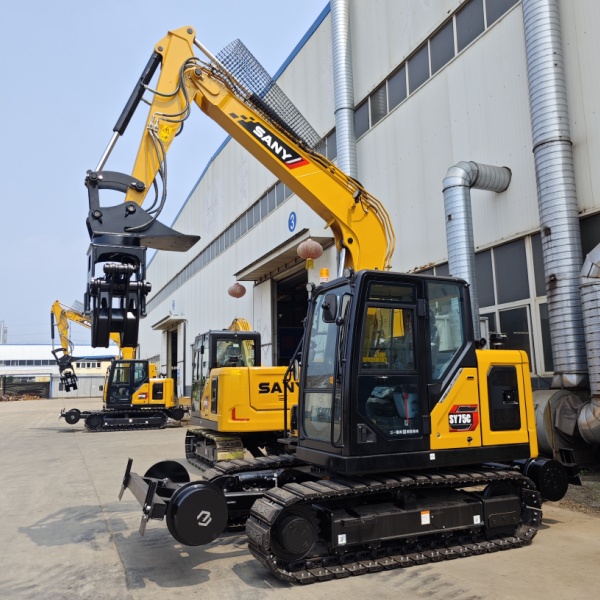
Sleeper moving machines revolutionized track maintenance
The advent of sleeper replacement machines has led to a paradigm shift in track maintenance. These machines have transformed a labor-intensive and time-consuming process into a highly efficient and precise operation. Let's explore how sleeper replacement machines are changing track maintenance and the profound impact they are having on the railway industry.
Reducing manual labor and increasing occupational safety
One of the most significant ways Railway sleeper substitutes Revolutionizes track maintenance by significantly reducing the need for manual labor. Traditional methods of replacing sleepers required large teams of workers to perform physically demanding tasks, often under difficult conditions. Sleepers automate much of this work, allowing a small crew to complete the same tasks faster and with less physical strain.
Reducing manual labor has a direct impact on improving occupational safety. By minimizing the need to handle heavy sleepers or work in close proximity to active railroad tracks, sleeper substitutes significantly reduce the risk of workplace injuries. The ergonomic design of these machines allows operators to control the process from a safe and comfortable position, further enhancing overall safety standards in track maintenance.
Minimizing track downtime when replacing sleepers
Time is of the essencerailway maintenance, since any disruption can have far-reaching economic and logistical consequences. Sleeper transfer devices do an excellent job of minimizing track downtime, significantly speeding up the replacement process. What previously took days or even weeks can now be completed in no time.
The efficiency of sleeper replacements allows maintenance crews to work faster, often completing major replacements during off-peak hours or during pre-scheduled maintenance periods. This not only reduces the burden on regular rail service, but also allows for more frequent and preventative maintenance, which can prevent more serious problems from occurring over time.
Improved sleeper installation accuracy and consistency
Precision is of the utmost importance when maintaining railroad tracks, and sleeper replacements provide unsurpassed sleeper installation accuracy. These machines use advanced positioning systems and computer-controlled operations to ensure each sleeper is positioned accurately with precise pitch and alignment. Achieving this level of accuracy manually is difficult, if not impossible.
The increased accuracy provided by sleeper substitutes improves track geometry, which is critical to ensuring smooth and safe railway operations. Uniform sleeper placement reduces the risk of track irregularities, which can lead to increased wear on both track and rolling stock, ultimately extending the life of railway equipment and improving the passenger experience.
Moreover, the uniformity achieved by sleeper replacements ensures uniform application of maintenance standards across the entire railway network. This standardization simplifies future maintenance tasks and contributes to the creation of a more reliable and predictable railway infrastructure.
By revolutionizing these key aspects of track maintenance, sleeper replacements not only increase efficiency but also change the entire approach to managing railway infrastructure. The benefits of these innovations extend far beyond the immediate replacement of sleepers, contributing to improved safety, reliability, and efficiency of the railway system as a whole.
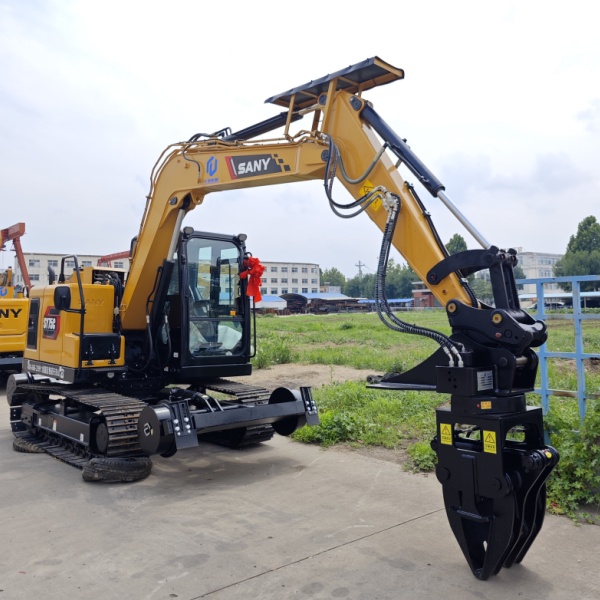
The main advantages of using automated sleeper changing stations
The introduction of automated sleeper changers into railway services provides many benefits that go well beyond the immediate replacement of sleepers. These cutting-edge machines offer solutions to long-standing industry problems, providing benefits that impact both the operational and financial aspects of railroad management. Let's look at the main benefits of implementing automated sleepers into track maintenance strategies.
Cost-effective solution for large-scale track modernization
For large-scale modernization of tracks, automated sleeper replacements turn out to be a very economical solution. The initial investment in these machines pays off in significant savings in labor, time and resources over the long term. By reducing the number of personnel required for sleeper replacement projects, rail operators can allocate labor more efficiently, focusing human resources on tasks that require specialized skills and decision-making.
Moreover, the speed and efficiency of automated sleeper changers allows more tracks to be updated or upgraded in a given time frame. Increased productivity allows railroad companies to implement more comprehensive maintenance programs without proportionally increasing costs. The ability to complete projects faster also means fewer disruptions to revenue-generating services, further improving the cost-effectiveness of these machines.
Improving track quality and increasing infrastructure service life
The accuracy and stability of automated sleeper changers directly contribute to improving track quality. By ensuring each sleeper is installed and secured to exacting standards, these machines help maintain optimal track geometry. This precision is critical to reducing wear on both track and rolling stock, resulting in smoother rides and fewer maintenance issues over time.
The improved track quality achieved through automated sleeper replacement also extends the overall life of the railway infrastructure. Properly installed sleepers provide better support to the rails, distributing the load more evenly and reducing the likelihood of premature failure or deformation. This durability results in a reduction in the frequency of track overhauls, providing significant cost savings and long-term operational benefits.
Increasing productivity in railway maintenance
Automated sleeper changers significantly increase productivity in railway maintenance. These machines can operate continuously for long periods of time, often significantly outperforming traditional methods. The ability to work at night or in conditions that may be difficult for manual labor further enhances their productivity.
The increased productivity provided by sleeper replacements allows maintenance crews to tackle larger projects or perform scheduled maintenance more frequently. This capability allows you to take a more proactive approach to track maintenance, eliminating potential problems before they become serious problems that could disrupt rail service or compromise safety.
Additionally, automating sleeper replacement processes frees up skilled maintenance personnel to perform other critical tasks that require human expertise. This reallocation of human resources can lead to an overall increase in the efficiency and effectiveness of maintenance throughout the railway system.
By leveraging these key benefits, rail operators can achieve a more sustainable and efficient approach to track maintenance. The use of automated sleepers not only solves immediate maintenance problems, but also contributes to the long-term maintenance of the health and efficiency of railway infrastructure, ensuring the successful development of railway networks in the face of ever-increasing demands on the transport industry.
Railway sleeper replacement machines have become indispensable tools in moderntrack maintenance, offering the perfect combination of efficiency, precision and cost-effectiveness. By automating the complex process of replacing sleepers, these machines not only streamline maintenance operations, but also make a significant contribution to the safety, reliability and longevity of railway infrastructure. As the railway industry evolves, the role of sleeper substitutes in ensuring smooth, safe and sustainable rail transport cannot be overstated. Their implementation represents a forward-thinking approach to railway maintenance that aligns with the industry's goals of operational excellence and long-term sustainability.