
Long Boom Excavator Reach Arm Maintenance
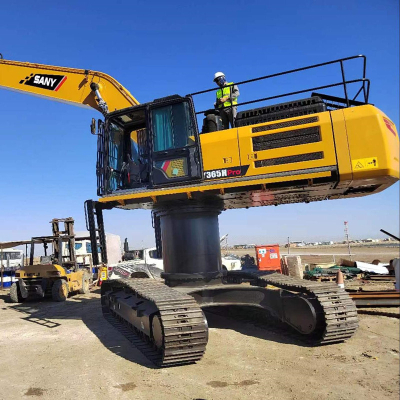
Maintaining a long excavator stage is not only about keeping the equipment running - it's about protecting your investment and ensuring operational safety.Designed to extend working range up to 25 meters, these specialized attachments require special maintenance protocols that differ significantly from standard excavator care.Proper maintenance procedures can significantly extend the life of equipment while preventing costly failures at critical stages of a project.Understanding the unique stress patterns, hydraulic requirements and structural requirements of expanded access systems helps operators develop effective maintenance strategies.When you consider that a well-maintained arm can operate efficiently for thousands of hours, while poorly maintained units may fail prematurely, the importance of systematic care becomes obvious.Regular maintenance planning combined with operator awareness of warning signs creates the basis for reliable performance in demanding applications such as demolition, construction and specialist lifting operations.
Regular structural checks
Visual assessment protocols
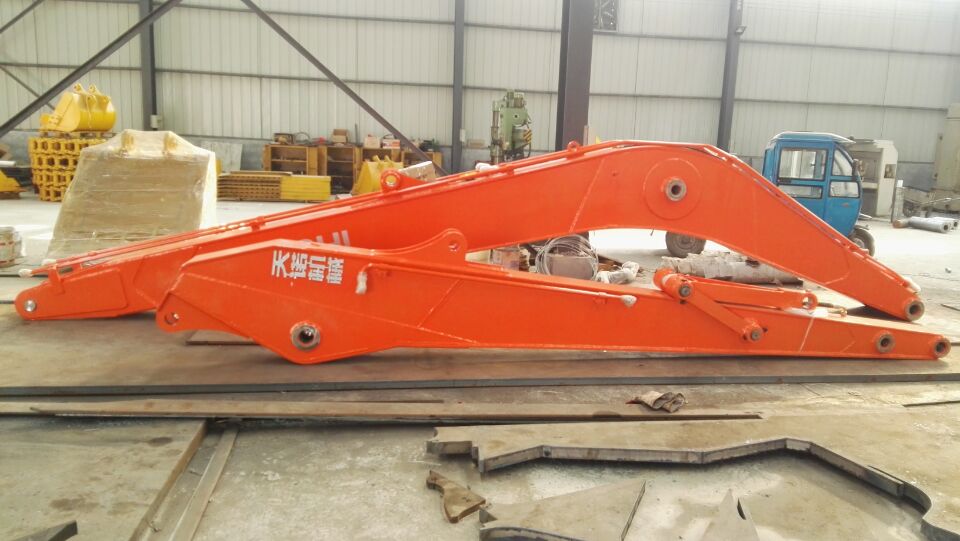
Beginning each maintenance cycle with thorough visual inspections sets the stage for effective long boom excavator arm care. Operators should inspect all boom sections for signs of metal fatigue, including hairline cracks, which often appear near welds and high-stress connection points. Discoloration or peeling paint often indicates underlying structural problems that require immediate attention. Experienced technicians recommend using magnifying equipment to inspect critical areas where stress concentrations are highest, especially around pivot brackets and hydraulic cylinder mounting points.
Documentation plays a critical role in tracking structural changes over time. Creating detailed inspection logs with photographic records helps identify developing problems before they become catastrophic failures. Pay special attention to areas where different materials meet, as differences in thermal expansion can create stress points that were not apparent during the original installation. Exposure to weather, especially in marine or industrial environments, accelerates corrosion processes that compromise structural integrity.
Welded joint assessment
Weld integrity represents perhaps the most critical aspect of structural maintenance for extended hands. These connections are subject to enormous stresses that can exceed manufacturer specifications during demanding operations. Magnetic particle testing or dye penetration testing methods detect micro-cracks that are invisible to casual observation. A professional weld inspection should be performed annually, with more frequent inspections recommended for units operating in harsh environments or experiencing heavy usage patterns.
Understanding weld failure patterns helps predict potential problem areas. Fatigue cracks usually begin at the weld finger, where stress concentrations are highest. When exposed to heat, areas adjacent to the weld beads often exhibit different metallurgical properties, which can lead to preferential failure under cyclic loading. Operators working with high-strength steel alloy components must recognize that field repairs require specialized welding procedures and qualified personnel to maintain structural integrity.
Stress point analysis
Extended arms are subjected to complex loads that create stress concentrations in predictable locations. Spin bodies and pivot points bear significant loads during operation, requiring careful monitoring of wear patterns and dimensional changes. Measuring bore diameters and checking elongation helps predict when replacement will be needed before catastrophic failure.
The connections of the boom sections deserve special attention as they transfer loads between segments while allowing articulation. Excessive play in these joints indicates wear, which reduces operating accuracy and increases stress on adjacent components. Using precise measurement tools to track dimensional changes over time provides quantitative data for maintenance planning and replacement planning.
Hydraulic system maintenance
Liquid Quality Management
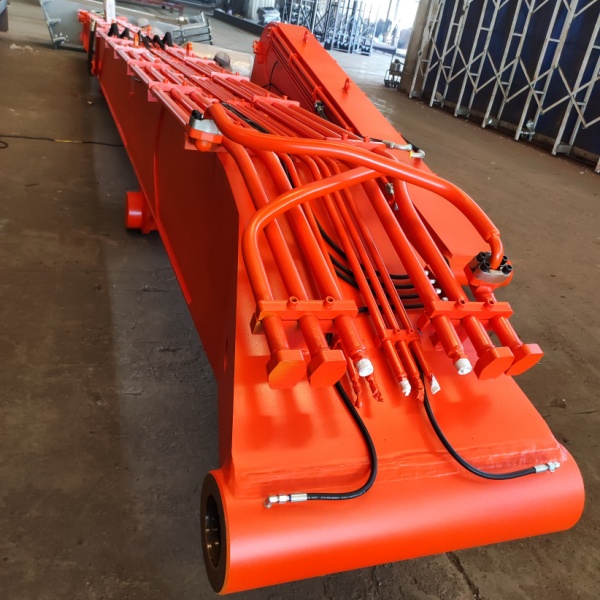
Hydraulic fluid is the life blood of any long excavator, requiring careful attention to quality and contamination control. Extended reach configurations place additional demands on hydraulic systems due to increased line length and pressure requirements. Regular fluid analysis shows contamination levels, additive depletion and breakdown products, which indicate the health of the system. Particle contamination is a leading cause of hydraulic component failure, making filtration system maintenance absolutely critical.
Temperature management is becoming increasingly important in high-volume applications where hydraulic lines may be exposed to extreme environmental conditions. High temperatures accelerate fluid degradation, while cold conditions increase viscosity and reduce system reactivity. Monitoring fluid temperature during operation helps identify cooling system deficiencies or excessive load conditions that require operational adjustments.
Pressure Test Procedures
Systematic pressure testing identifies emerging problems before they cause operational failures. Expanded hydraulic circuits in reach systems are particularly susceptible to pressure loss due to increased line length and connection points. Establishing baseline pressures across all regimens provides a baseline for future comparisons. Pressure drop measurements help detect internal leaks in cylinders, valves and line connections.
Rail valve testing ensures that safety systems operate correctly under maximum load conditions. These safety devices prevent excessive pressure that could lead to catastrophic failure of a hydraulic component. Testing should include both static pressure reduction and dynamic response characteristics to verify proper operation over the full range of operating conditions.
Component replacement schedules
Proactive replacement of components prevents unexpected failures that can strain equipment during critical operations. Hydraulic seals in reach systems experience accelerated wear due to long strokes and increased exposure to contamination. Developing replacement schedules based on operating hours and environmental conditions helps minimize unexpected downtime while optimizing maintenance costs.
Filter replacement is one of the most cost-effective types of hydraulic system maintenance. Bypass filtration systems are especially beneficial for extended coverage applications, continuously cleaning hydraulic fluid during operation. Understanding filter efficiency ratings and replacement rates ensures optimal contamination control without unnecessary maintenance costs.
Hydraulic system maintenance
Liquid Quality Management
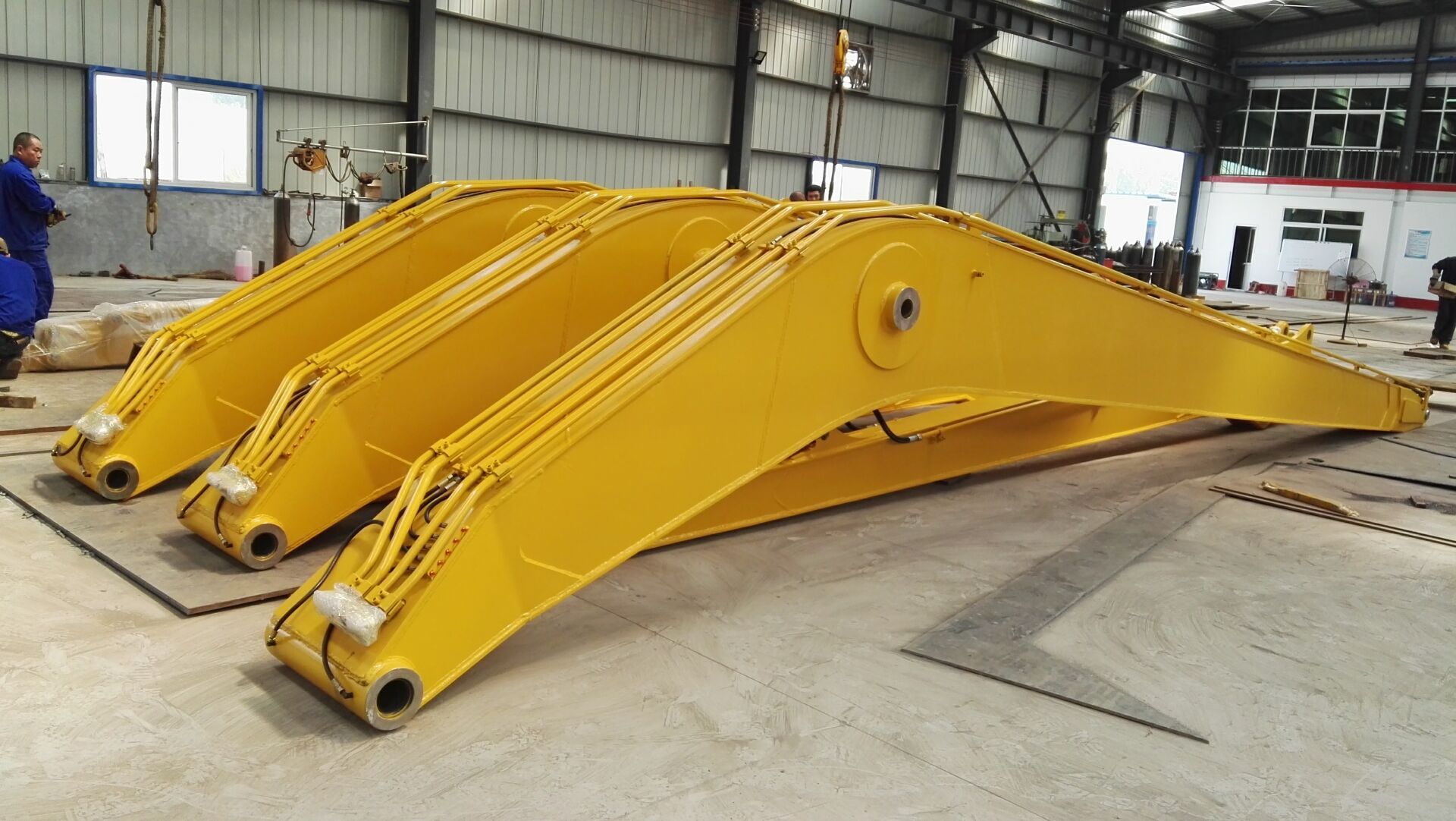
Hydraulic fluid is the life blood of any long excavator, requiring careful attention to quality and contamination control. Extended reach configurations place additional demands on hydraulic systems due to increased line length and pressure requirements. Regular fluid analysis shows contamination levels, additive depletion and breakdown products, which indicate the health of the system. Particle contamination is a leading cause of hydraulic component failure, making filtration system maintenance absolutely critical.
Temperature management is becoming increasingly important in high-volume applications where hydraulic lines may be exposed to extreme environmental conditions. High temperatures accelerate fluid degradation, while cold conditions increase viscosity and reduce system reactivity. Monitoring fluid temperature during operation helps identify cooling system deficiencies or excessive load conditions that require operational adjustments.
Pressure Test Procedures
Systematic pressure testing identifies emerging problems before they cause operational failures. Expanded hydraulic circuits in reach systems are particularly susceptible to pressure loss due to increased line length and connection points. Establishing baseline pressures across all regimens provides a baseline for future comparisons. Pressure drop measurements help detect internal leaks in cylinders, valves and line connections.
Rail valve testing ensures that safety systems operate correctly under maximum load conditions. These safety devices prevent excessive pressure that could lead to catastrophic failure of a hydraulic component. Testing should include both static pressure reduction and dynamic response characteristics to verify proper operation over the full range of operating conditions.
Component replacement schedules
Proactive replacement of components prevents unexpected failures that can strain equipment during critical operations. Hydraulic seals in reach systems experience accelerated wear due to long strokes and increased exposure to contamination. Developing replacement schedules based on operating hours and environmental conditions helps minimize unexpected downtime while optimizing maintenance costs.
Filter replacement is one of the most cost-effective types of hydraulic system maintenance. Bypass filtration systems are especially beneficial for extended coverage applications, continuously cleaning hydraulic fluid during operation. Understanding filter efficiency ratings and replacement rates ensures optimal contamination control without unnecessary maintenance costs.