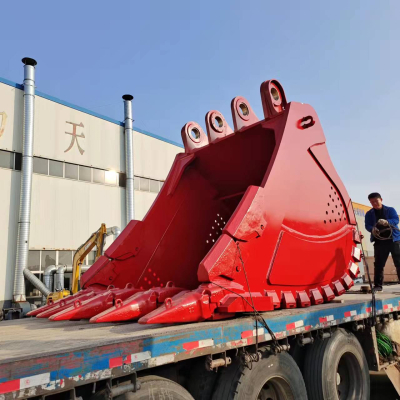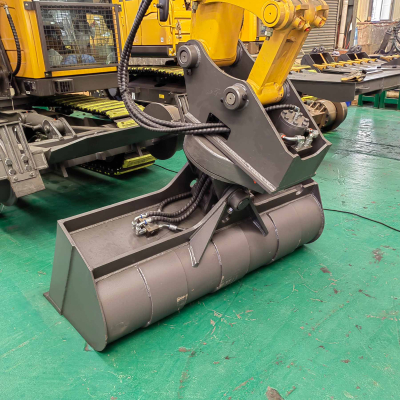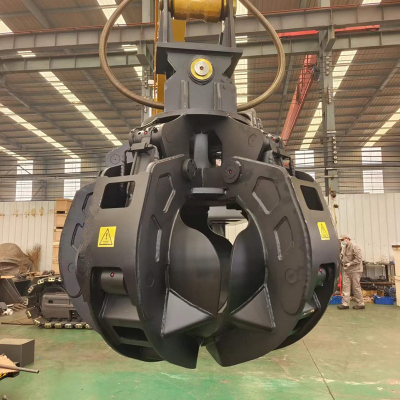

What are the various types of excavator root ripers?
When tackling complex excavation projects involving root removal, forestry clearing or demolition, choosing the right fixture can make all the difference between a smooth job and a frustrating struggle. Excavator roottearers representare specialized tools designed to tackle the difficult task of breaking through stubborn root systems, rocky terrain and compressed soil with remarkable efficiency.
These powerful attachments transform standard excavators into versatile machines capable of penetrating even the most challenging underground obstacles. The market offers three main categories of root reapers, each designed to be different in specific operating conditions and applications. Understanding these differences helps operators select the most appropriate equipment for their specific needs, whether it's dense deforestation, urban demolition projects, or agricultural land preparation.
Beyond basic root removal, modern excavator grabber technology is designed to incorporate advanced hydraulic systems and specialized tooth configurations that maximize productivity while minimizing operator fatigue. The choice between single-tooth precision tools, multi-tooth paddle systems and hydraulic options largely depends on soil conditions, project size and operational requirements, which vary significantly across different industries and applications.
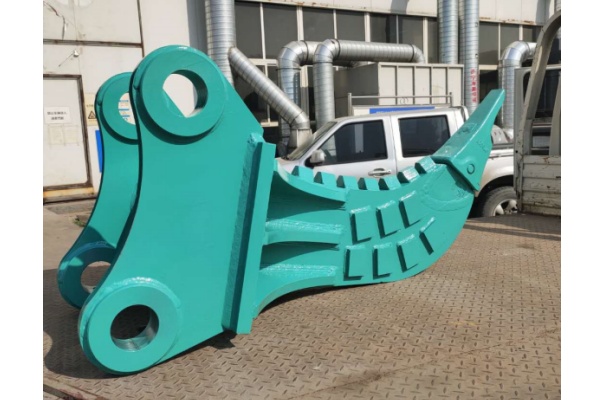
Single Tooth Root Ripper
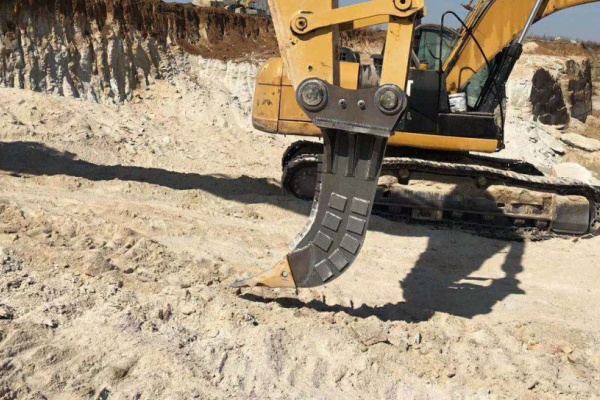
The Single Prong Excavator Root Reaper is the simplest yet surprisingly effective solution for precision excavation tasks. This mount features a durable, sharp steel tooth that concentrates enormous force into a narrow contact zone, allowing operators to penetrate deep into compressed soil and penetrate individual root systems with surgical precision.
Design and Construction Characteristics
Single tooth breakers typically incorporate a high-strength steel construction with reinforced brackets that are evenly distributeddistribute tensionfor assembling the excavator arm. The tooth itself has a conical design that minimizes soil movement while maximizing penetration depth, making it particularly effective in tight spaces where precision is more important than coverage.
A simplified mounting profile reduces drag, allowing operators to work more effectively in dense clay soils or areas with extensive root networks. Many models include replaceable tooth tips made of hardened steel alloys that maintain sharpness even after prolonged use in abrasive conditions.
Operational Benefits
Operators appreciate the single-shank design for exceptional maneuverability and precise control. The concentrated force allows for targeted root cutting without disturbing the surrounding soil structure, making it ideal for selective clearing operations or working around existing infrastructure.
Reduced weight compared to multi-tooth alternatives means less strain on the excavator's hydraulic system and increased fuel efficiency during long operations. This makes single-tooth breakers particularly valuable for smaller excavators or projects where operating costs must be closely monitored.
Application scenarios
Single-tooth excavator root pullers excel in urban landscape projects where precision is of utmost importance. They prove invaluable for removing individual tree trunks, breaking through sidewalk root penetrations, or preparing planting beds without disturbing nearby vegetation. Construction sites benefit from their ability to solve specific problemsareas without excessiveexcavation of valuable topsoil.
Agricultural applications include breaking up hard layers, creating drainage channels, and preparing fields for new plantings. The precision offered by single-tine designs allows farmers to address compaction issues without disrupting the overall soil profile, supporting important microbial ecosystems that support crop productivity.
Multi-Tooth/Ryke Root Ripper
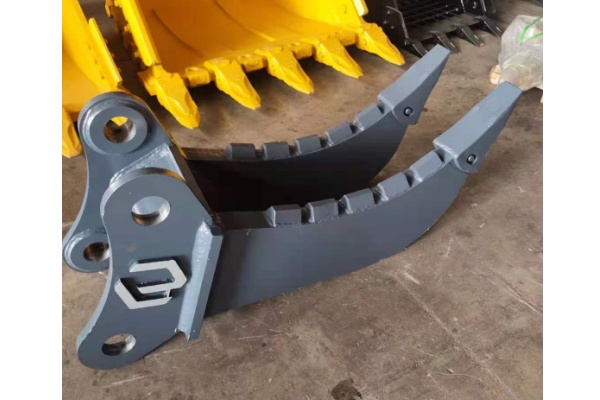
Multi-tooth excavator root rippers are the workhorses of large-scale cleaning operations, having multiple parallel teeth arranged in a rowing-like configuration. This design philosophy emphasizes coverage area and the ability to process materials beyond the precision offered by single-tooth alternatives, making them invaluable for extensive land clearing projects.
Configuration Options and Specifications
Most multi-teeth rippers have three to seven individual teeth, with optimized spacing to prevent pick-ups while maintaining effective contact with the ground. The teeth can be straight or curved, depending on the intended application, with curved designs providing better material retention for debris removal operations.
Advanced models include adjustable systemsplacement of teeth, which allow operators to customize the attachment for specific soil conditions or debris types. Some manufacturers offer interchangeable tooth profiles, allowing the same base unit to handle everything from fine root networks to large wood debris with equal efficiency.
Productivity Benefits
The parallel tooth arrangement allows operators to cover significantly more ground per pass compared to single-tooth alternatives. This directly translates into shorter project completion times and lower labor costs, which is especially important for large-scale forestry operations or major demolition projects.
Multi-prong designs also differ in how they collect and organize debris during the ripping process. The raking action naturally collects broken roots, rocks, and other materials, reducing the need for separate cleaning operations and simplifying the overall workflow.
Industrial Applications
Forestry relies heavily on multi-tooth excavators for site preparation after timber harvesting. The ability to simultaneously destroy root systems and remove debris makes these attachments essential for preparing sites for replanting or converting forest land to agricultural use.
Mining and quarrying operations use multi-tooth blasters for overburden removal and site preparation. The robust design required to handle rocky conditions makes these blasters ideal for the demanding conditions encountered in the mining industry, where equipment reliability directly impacts operational profitability.
Hydraulic / Powered Root Ripper
Hydraulic excavator root reapers represent the pinnacle of excavator attachment technology, incorporating active hydraulic systems that enhance the excavator's natural digging force. These sophisticated tools combine the benefits of traditional reapers with additional functionality that significantly improves productivity in challenging conditions.
Advanced hydraulic systems
Modern hydraulic root rippers feature independent hydraulic circuits that drive rotating or oscillating mechanisms within the rig itself. This additional movement allows the ripper to operate more effectively in compacted soils, creating multiple force vectors that break up resistant materials more efficiently than static structures.
The hydraulic system is typically connected to the excavator's auxiliary hydraulic outlets, requiring minimal modifications to existing equipment. Advanced models include pressure-reducing valves and flow control systems that protect both the attachment and the excavator from damage due to excessive loads or unexpected obstructions.
Improved performance
Electric power significantly reduces the physical demands on the excavator's primary hydraulic system. By distributing the workload between the excavator's arm and internal attachment mechanisms, operators can maintain consistent productivity even in extremely challenging conditions that would otherwise overwhelm static alternatives.
Vibration dampening systems integrated into many hydraulic models reduce operator fatigue and improve control precision. This becomes especially important during long operations, when operator comfort directly impacts both productivity and safety.
Specialized applications
Hydraulic root bursters prove invaluable in urban environments where noise restrictions limit operational windows. Increased efficiency allows operators to complete tasks faster, reducing impact on surrounding communities while maintaining high productivity standards.
Specialized applications include pipeline installation, where the combination of precision and power allows operators to create precise trenches through rooted soil without damaging existing underground infrastructure. The controlled force applied makes these fasteners particularly suitable for work near sensitive utility facilities or structures.