
Excavator Parts and Functions
Understanding excavator parts and their functions becomes extremely important when you are managing construction projects, railway maintenance or demolition.Modern excavators are complex machines where every component plays a vital role in achieving optimum performance and productivity.From powerful hydraulic systems that power the boom and arm movements to specialized attachments that handle different materials, every element contributes to the machine's versatility.The complex interrelationships between these components determine not only operational efficiency, but also maintenance needs and overall project costs.Whether you oversee large-scale rail construction or manage routine maintenance tasks, understanding the interactions between these mechanical systems helps you make informed decisions about equipment selection, operator training, and preventative maintenance schedules that ultimately impact your bottom line.
Working equipment: hand
Installation of boom and hydraulic integration
The assembly of the boom serves as the main lifting mechanism, which connects directly to the main chassis of the excavator through reliable rotary points and hydraulic cylinders. This significant steel structure withstands huge forces during digging, especially in railway construction, where accuracy becomes priority. The boom is the original part, extending from the excavator chassis, and its design directly affects the possibilities of achieving the machine and the upsurge. Modern assemblies of booms include a high -strength steel structure with reinforced weld points for processing demanding loads found in mining and tolerable applications.
Sticking mechanism and digging dynamics
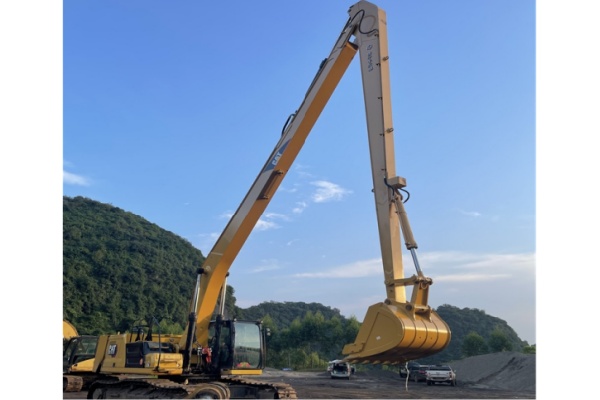
Connected to the boom through another hydraulic connection, a stick (also known asThe hand of immersion) provides the excavator's primary digging force and precise control. This component converts hydraulic pressure into mechanical advantage, allowing operators to achieve remarkable digging depths and precise material placement. The stick length and configuration vary depending on application requirements, and extendedhands providegreater accessibility for the deep excavation work common in infrastructure projects. Engineering teams design these components to specific breakout forces, ensuring optimum performance in a variety of soil conditions and material types.
Coordination of hydraulic cylinders
Several hydraulic cylinders coordinate the complex movements of the hand, each cylinder is responsible for specific functions in the common working room. The boom-cylinder provides the possibilities of lifting and prolapse, while the stick cylinder generates a powerful crowd and retreats the forces necessary for effective digging. These cylinders operate at significant pressure, usually in the range from 250 to 350 bar, depending on the size of the machine and the requirements for use. Regular maintenance of these hydraulic components provides consistent work and prevents expensive downtime in critical operations, such as railway maintenance or large -scale construction projects.
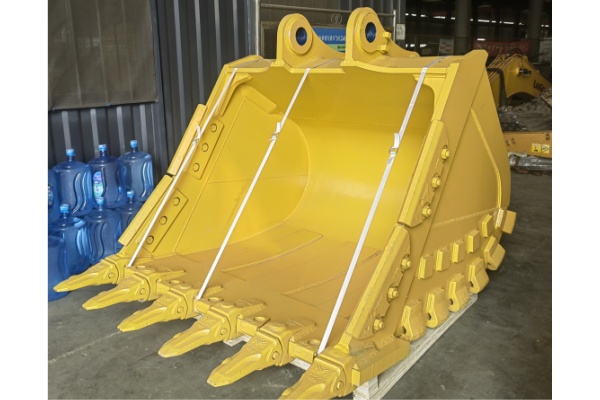
Working equipment: accessories
Bucket variations and specialized functions
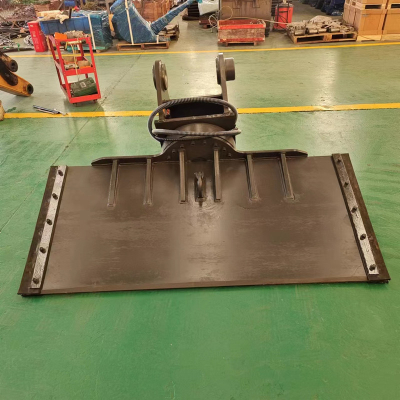
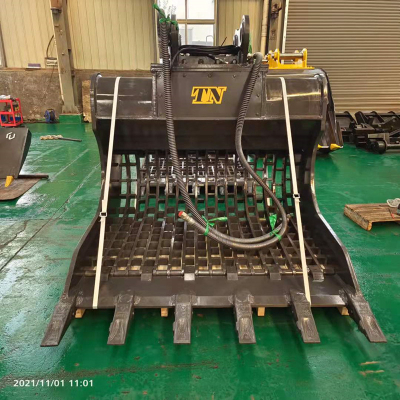
Standard digging buckets are only one of the many specialized details of the excavator designed for specific applications. Rock buckets have an enhanced design and aggressive tooth patterns for breaking up complex geological formations, while cleaning buckets offer wider profiles for the effective processing of materials and finishing work. Dough buckets allow you to separate materials during demolition projects, which allows you to effectively sort valuable materials. Each type of bucket includes various configurations of sharp edges and the location of wear plates to optimize performance for specific soil conditions and requirements for processing materials.
SpecializedaccessoriesFor industrial applications
In addition to traditional buckets, modern excavators contain an impressive set of specialized devices that turn these machines into universal multi -purpose tools. Woodlings allow you to effectively carry out operations on forestry and waste disposal, while steel invaders facilitate the treatment of scrap and processing. Attachments of Ripper are invaluable for the destruction of compressed surfaces or frozen earthly conditions, usually found in the northern climate. These mounts are usually connected through a quick connection system, which allows operatorsEffectiveChange tools without leaving the cab, significantly increasing productivity in multiphase projects.
Fast connection systems and operational efficiency
The modern technology of fast connection revolutionizes the fixing changes, reducing the typical time to change from hours to minutes, while increasing safety at the workplace. These hydraulically controlled systems eliminate the need for manual insert and removal of pins, allowing you to simultaneously change the mount from the protected environment of the cab. Advanced fast connectors include safety locking mechanisms that prevent random release of fastening, solving critical safety problems in the demolition and maintenance of railways. The possibility of quick switching between various tools allows contractors to maximize the use of equipment at various stages of the project.
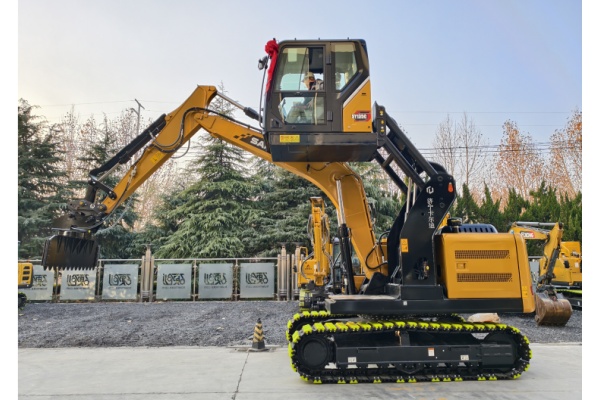
Excavator cabin
Operator environment and ergonomic design
ModernExcavator cabsThey pay primary attention to the comfort and safety of the operator thanks to the advanced principles of ergonomic design and environmental control. Adjustable sidec systems contain surgery of various sizes, while providing the necessary lumbar support during long periods of work. Climate control systems support comfortable working conditions regardless of external weather, which is crucial for maintaining performance in difficult seasonal conditions. Sound -aligned materials reduce the noise level to acceptable standards, protecting the hearing of the operator, while ensuring clear communication with ground personnel. These environmental considerations directly affect the level of the operator’s fatigue and the overall efficiency of the project.
Interface control systems and technology
Modern excavator cabs integrate complex control interfaces that combine traditional hydraulic pilot management withelectronic systemsmonitoring. Joysters' configurations differ between manufacturers, but most systems provide intuitive management templates that experienced operators can quickly master. Digital displays provide real -time information about the performance of the machine, service requirements and operational parameters. Advanced systems include the integration of GPS for accurate control of the class and automated functions that increase accuracy in demanding applications, such as the construction of railways or installing pipelines.
Features of safety and improving visibility
Security considerations determine many modern design solutions with the certification of ROPS (Roll-Over Protective Structure) and FOPS (Falling Object Protective Structure) throughout the industry. Large glass panels provide maximum visibility around the machine, reducing blind spots, which can be dangerous for safety during operation. LED lighting bags provide excellent lighting for long -term working hours, conventional in operations for the technical maintenance of railways, which often occur during limited windows of access to the rail. The provisions on the emergency are ensured by the security of the operator during potential emergency situations, while reinforced glass structure protects against flying garbage during demolition.