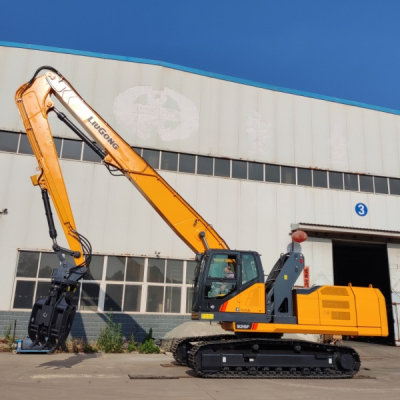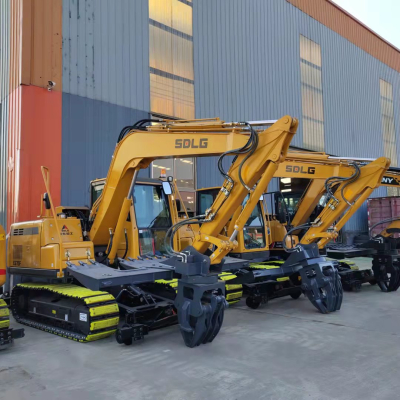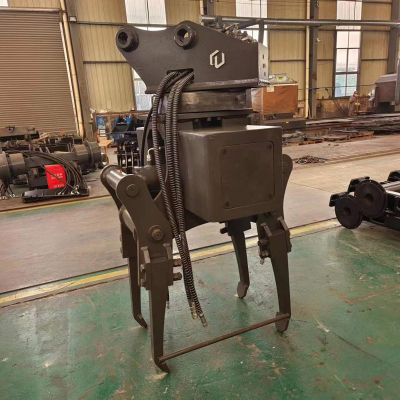

Railway changeover for bed replacement
Railway changers contributedrevolutionizing the way we maintain and modernize our rail infrastructure. These specialized machines are designed to effectively replace worn or damaged backrests, keeping railroads safe and reliable. By automating the backrest replacement process, rail changers significantly reduce manual labor, minimize rail downtime and improve overall maintenance efficiency. Whether you operate a busy commuter line or support extensive freight corridors, investing in a rail transformation machine can lead to significant long-term benefits for your rail operations.
Mechanized replacement of manual labor
Increased safety with automatic sleeping bag change
The introduction of the rail link changing machine has significantly improved worker safety in railroad maintenance operations. Traditional manual sleep replacement methods exposed workers to a variety of risks, including heavy lifting, repetitive strain injuries, and prolonged exposure to harsh weather conditions. Automated sleep changers minimize these hazards by reducing the need for direct human intervention in the changing process.
Modern sleep alternators are equipped with advanced safety features such as remote-controlled operations, emergency stop buttons, and protective housings. These features allow maintenance teams to operate the machine from a safe distance, significantly reducing the risk of accidents and injuries. Additionally, the precision and consistency of the automatic backrest change minimizes the likelihood of errors that could compromise track integrity and passenger safety.
Improving efficiency: from manual to machine drive
The transition from manual to machine backrest replacement has resulted in noticeable improvements in efficiency. One railroad backrest changer can replace hundreds of backrests in a day, a task that would take a large crew several days to complete by hand. This increase in speed not only speeds up maintenance schedules, but also allows for more frequent and thorough road inspections and repairs.
Machine backrest replacement also ensures consistent quality during the replacement process. Unlike manual methods, which can vary depending on individual worker skill and fatigue, automated alternators maintain a high level of accuracy throughout the operation. This consistency results in better track alignment, improved ride quality and reduced wear on both rolling stock and infrastructure.
Economic maintenance of railways with back changers
While the initial investment in a rail variable may seem significant, the long-term cost savings are significant. Reducing the need for large manual work teams,railwayscan significantly reduce their operating costs. Increased machine replacement efficiency also means less downtime, resulting in less lost revenue from service interruptions.
Moreover, the precision of automatic blade changing increases the service life of both the blades and the overall rail structure. This results in fewer replacements over time and lower material costs. The ability to perform more frequent and thorough maintenance also prevents minor problems from escalating into major, costly repairs, resulting in cost savings in the long run.

Suitable for concrete and wooden sleeping bags
Universal backrest changer adapts to different materials
Modern railroad back changers are designed with versatility in mind, being able to handle both concrete and wood backs. This adaptability is critical for railway networks that use different types of backrests in their infrastructure or are in the process of switching from one material to another. The ability to handle a variety of sleeping bag materials allows maintenance teams to use one machine across their entire network, reducing equipment costs and simplifying logistics.
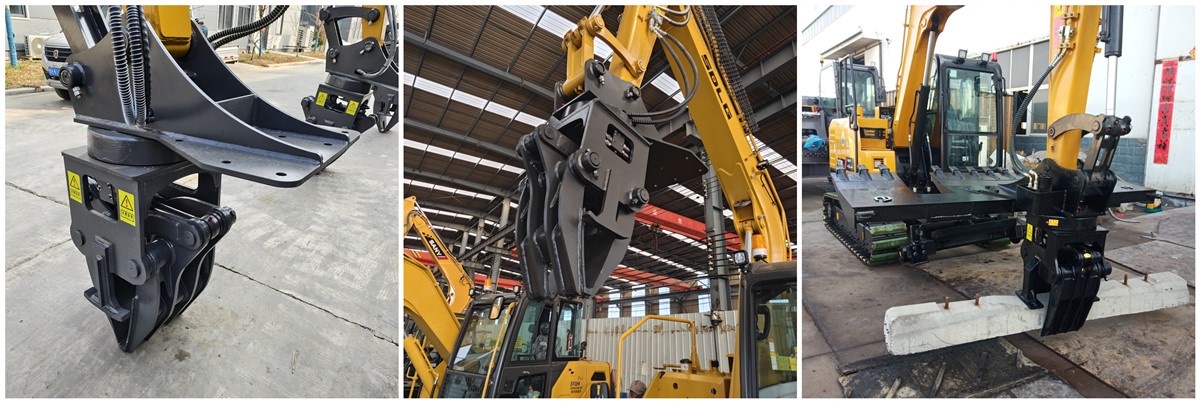
The advanced backrest changers feature adjustable gripping mechanisms and lifting capabilities to accommodate different weights and sizes of concrete and wood backrests. Some models even feature interchangeable mounts or modules, allowing you to quickly adapt to different backrest types without the need for extensive modifications or separate machines.
Precise processing: Side sliding against clamp removal
Railroad spandrel changers use different methods to remove and insert spandrels depending on the rail configuration and spandrel type. Two common methods are side sliding and clip removal. Barrel sliding is often used for concrete sections on ballasted rails, where the machine gently slides the new section into place while removing the old one. This method minimizes disturbance to the rail field and surrounding ballast.
Clamp release, on the other hand, is typically used for wooden sleepers or in situations where side sliding is not possible. In this method, the backrest changer uses powerful clamps to grip and lift the old backrest off the rail before lowering the new one into position. Both methods require precise control and sophisticated engineering to ensure smooth operation and minimal disruption to the route.
Extended Lifespan: Proper Care for Different Types of Sleepers
Using a rail link changing machine not only facilitates efficient replacement, but also helps extend the life of both concrete and wooden bearings. By ensuring precise placement and alignment, these machines help distribute load evenly across backrests, reducing premature wear and damage. Additionally, the gentle handling provided by automated changers minimizes the risk of accidental damage during the replacement process that can occur with manual methods.
For concrete backboards, proper placement is critical to preventing cracks or cracks, which can significantly shorten their lifespan.Railway changersMachines can ensure the precise placement and spacing necessary for optimal performance. For wooden planks, machines can be programmed to apply the correct pressure during installation, avoiding excessive compression, which can lead to splitting or distortion.
For efficient track maintenance
Simplifying the maintenance of high-traffic railway lines
High traffic rail lines present unique challenges for maintenance teams. Frequent train traffic leaves limited windows for rail work, making efficiency paramount. Railroad sleeping bag changers excel in these high-pressure environments, allowing maintenance crews to quickly and accurately change multiple sleeping bags in a limited time frame. This capability is essential to minimize disruption to passenger and freight traffic on busy routes.
Some advanced sleep alternators are designed to operate within electrical lines, equipped with isolated components and safety systems that allow operation without the need to shut off air power. This feature further reduces downtime and increases flexibility in service schedules, especially on urban and commuter rail systems where service interruptions can have a significant impact on commuter traffic.
Minimizing downtime: quick methods for replacing splints
Railway changerssleepers use various methods to minimize rail downtime during replacement operations. One common approach is to use continuous operation systems, where the machine can change sleepers in a single pass along the rail. This method eliminates the need for multiple installation and tearing cycles, significantly reducing the overall time required for maintenance.
Another time-saving method is to use pre-positioning systems. They allow maintenance crews to supply new sleeping bags along the course before the replacement operation begins. When a replacement arrives, he can quickly replace the old ones with new ones without delays for loading or processing materials. Some advanced machines even include built-in sleeping bag storage and handling systems, making the replacement process even easier.
Optimizing freight line operations with back changers
Freight railroads face unique challenges in railroad maintenance due to the heavy loads and frequent traffic they handle. Railroad backrest changers play a critical role in optimizing these operations, allowing fast, high-quality backrest replacements that can withstand the demands of heavy freight transport. The precision placement achieved by these machines ensures that the track can maintain its integrity under the pressure of frequent, heavily loaded trains.
Additionally, the efficiency of back changers allows freight railroads to conduct more frequent maintenance cycles without significantly disrupting their schedules. This proactive approach to track maintenance helps prevent major failures that could lead to costly derailments or lengthy line closures. By keeping rails in optimal condition, railroads can also reduce wear and tear on rolling stock, resulting in additional savings in vehicle maintenance costs and fuel efficiency.