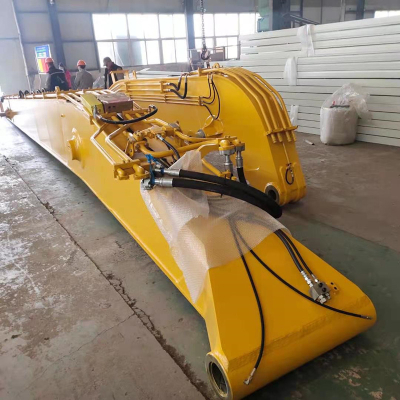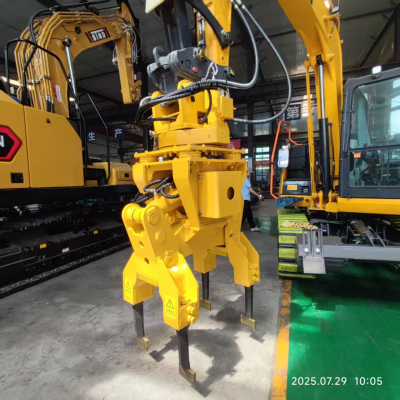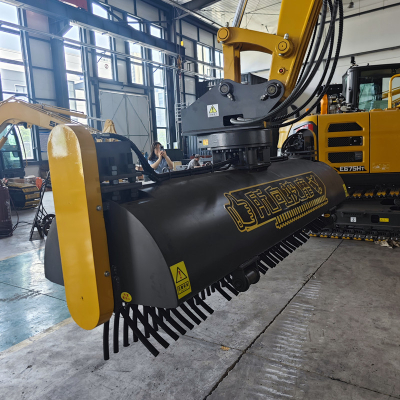

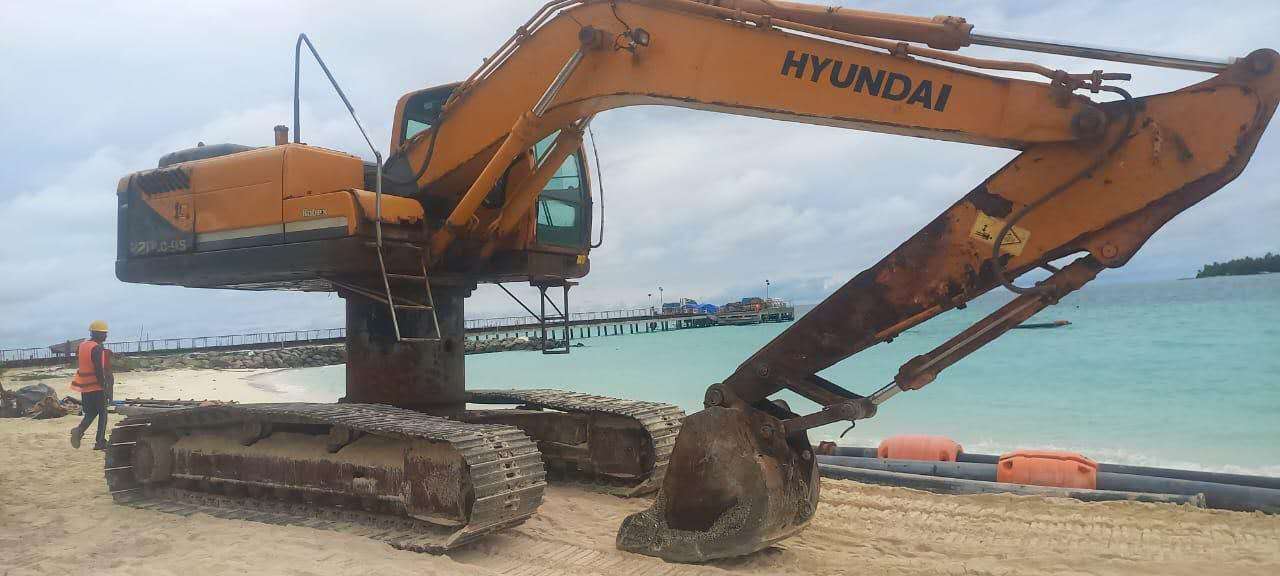
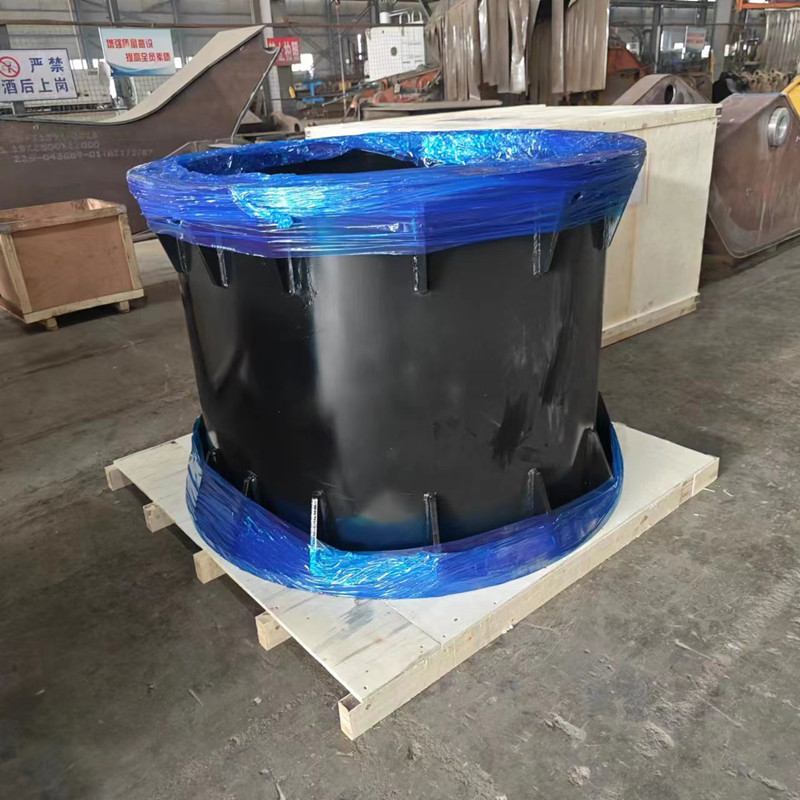
Seaside excavator column is larger than the standard excavator column.
When constructing and engineering work in the coastal zone, the choice is betweenreinforcing column and a standard excavator column can significantly affect the results of the project. Augmentation columns for excavators provide unique advantages in challenging offshore environments. These specialized attachments extend the reach and capabilities of excavators, allowing them to operate effectively in intertidal zones, shallow waters and other coastal areas where standard excavators may not be effective. By increasing machine height and reach, these columns enable operators to work more efficiently in dynamic offshore environments, potentially increasing productivity and expanding the range of tasks they can handle.
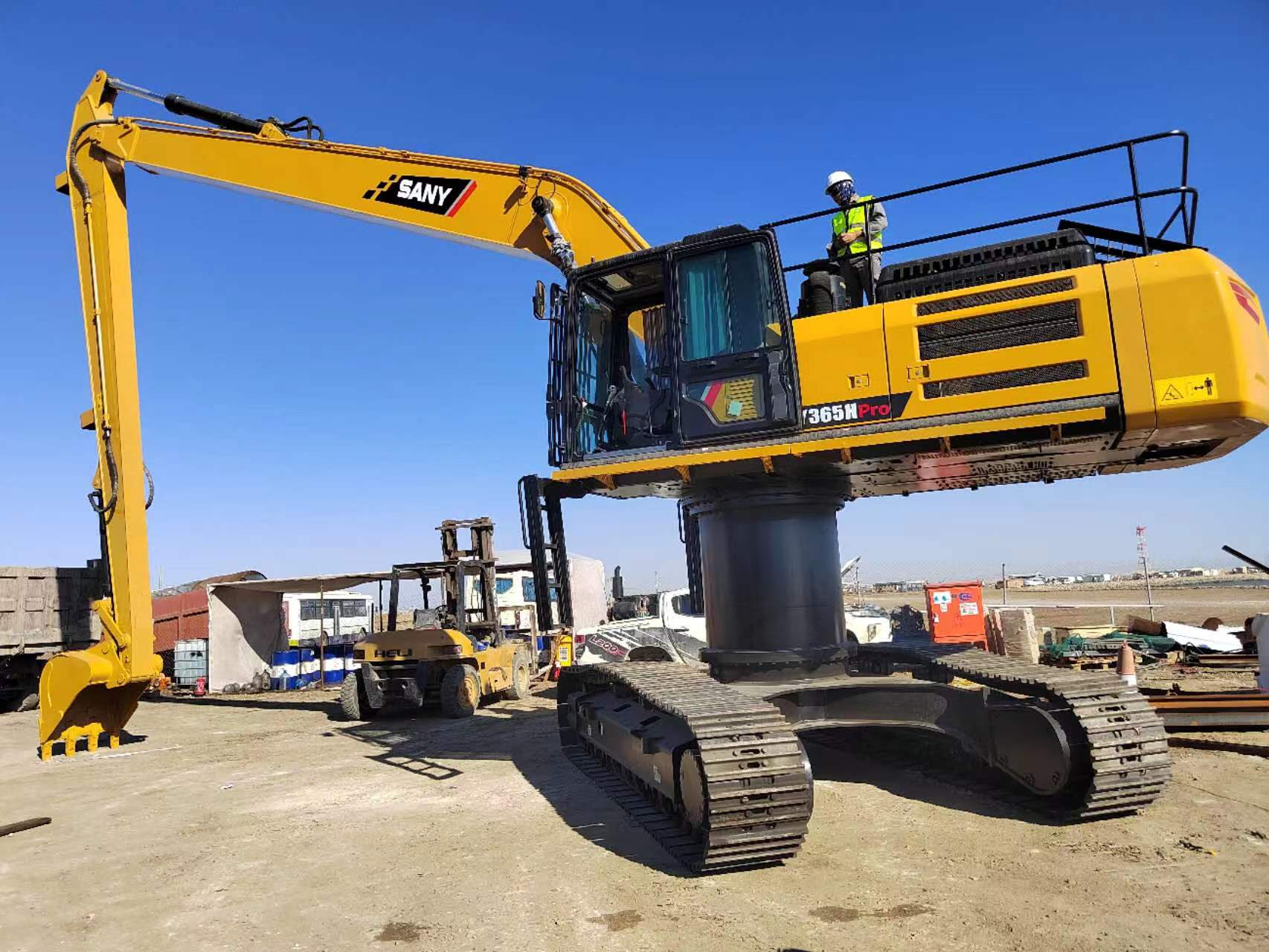
Benchmarking: Coverage, Stability and Efficiency
Extended Reach: The Seaside Excavator Advantage
The main advantage of the excavator superstructure for marine applications is the increased reach of the boom. This feature allows operators to reach locations that would be difficult or impossible using standard equipment. In offshore construction, where work often involves dredging, shoreline stabilization or pier maintenance, extended reach can be invaluable. Operators can remain on stable ground while extending the boom further into the water or over obstacles, reducing the need for specialized floating equipment in many cases.
Imagine a situation where a standard excavator must be positioned dangerously close to the shoreline in order to reach a work area. With a larger column, the same machine can maintain a safer distance while still performing the task. The extended reach not only improves safety, but also expands the excavator's range of applications, allowing it to perform a wider range of jobs in offshore environments.
Problems of stability in coastal zones
While increased boom reach offers significant benefits, it also poses unique stability challenges. Coastal conditions are notoriously unpredictable, with shifting sands, tidal forces and fluctuating water levels. Standard excavator columns are designed to meet these typical operating conditions. However, when designing columns for offshore boom elevation, these additional factors must be taken into account while providing the necessary stability for safe and efficient operation.
Manufacturerscoastalexcavators,increasing the height of columns,solve these problems through innovative design solutions. These may include wider base plates, additional stabilizing mechanisms, or improved hydraulic systems that adapt to changing conditions. The goal is to maintain optimal stability even when the excavator is operating at maximum reach. The balance between reach and stability is critical to ensure both productivity and safety in coastal construction.
Increased efficiency by increasing column heights
The efficiency gains provided by excavator columns for seashore soil expansion are significant. By allowing a single machine to perform tasks that would otherwise require multiple pieces of equipment or more complex installations, these columns streamline operations and reduce project timelines. For example, in port service projects, an excavator equipped with a riser column can dredge from shore, eliminating the need for a separate dredging barge.
Moreover, the versatility of heavy-duty excavators allows you to quickly switch between different types of work. The operator can switch from excavation to paving or from demolition to construction without changing the machine or position. This flexibility can significantly save time and improve overall project efficiency, especially in multi-discipline coastal projects where a variety of tasks often need to be addressed.
Measuring ROI: Specialized vs. Utility Excavators
Cost-Benefit Analysis of Seaside Excavator Investment
Investing inseaside excavator, towering columns,requires careful return on investment (ROI) analysis. Although the initial cost may be higher than standard equipment, the potential for increased productivity and increased project capabilities can offset these costs over time. Project managers and equipment purchasers must weigh initial costs against long-term benefits and potential new business opportunities.
For companies frequently involved in offshore or offshore projects, investing in specialized equipment, such as column reinforcement, can open the door to more lucrative contracts. The ability to take on complex offshore projects that competitors with standard equipment cannot handle can be a significant competitive advantage. In addition, increased efficiency and reduced need for multiple equipment or subcontractors can result in significant cost savings over the life of the equipment.
Long-term value: durability in harsh environments
Coastal conditions pose particular challenges for construction equipment due to the corrosiveness of salt water and sea air. Standard excavator columns can deteriorate more quickly under these conditions, resulting in increased maintenance costs and shorter equipment life. Reinforced excavator columns, designed specifically for these harsh environments, often contain corrosion-resistant materials and protective coatings to enhance their durability.
Increased equipment durability ensures long-term value for owners. While the initial investment may be higher, the extended life and reduced maintenance requirements of specialized onshore equipment can result in a lower total cost of ownership over time. When assessing the true cost of equipment, companies should consider not only its cost, but also ongoing operating costs and possible downtime.
Versatility: adaptable to a variety of coastal projects
The versatility of superstructure columns for offshore excavators adds another layer of value to their offering. These attachments allow standard excavators to adapt to a wide range of coastal and offshore applications, from port dredging to seawall construction and more. This adaptability means that one machine can potentially replace multiple pieces of specialized equipment, reducing fleet size and associated costs.
For construction companies and contractors, this versatility can be especially valuable in regions with diverse needs for coastal projects. The ability to quickly reconfigure equipment for different tasks or conditions allows you to allocate resources more efficiently and respond more quickly to project requirements. This flexibility can be key to winning tenders and remaining competitive in the coastal construction market.
Adapting Excavator Strategies for Offshore Projects
Innovative excavation methods on the coast
Usageseaside excavator and towering columnsstimulated the development of innovative excavation methods specifically adapted to coastal conditions. These methods often combine the extended reach and stability of excavators with advanced surveying and positioning technologies. For example, GPS-enabled excavation systems can be integrated with towering columns to ensure underwater excavation accuracy even in poor visibility conditions.
Another innovative approach involves the use of modular height-adjustable columns that can be adjusted depending on tidal conditions or project requirements. This adaptability allows operators to optimize range and efficiency at different stages of a project or as environmental conditions change. Such innovations not only improve project results, but also improve safety by reducing the need for workers to work in hazardous areas of shoreline or shallow water.
Environmental Considerations for Coastal Excavation
Coastal projects often face stringent environmental regulations due to the vulnerability of marine ecosystems. Strengthening excavator columns along the coast can play an important role in minimizing environmental impact by enabling more precise and controlled excavation from a distance. This capability reduces impacts on marine habitats and can help projects meet environmental regulations.
Moreover, the increased range provided by increasing the height of the columns can promote the adoption of environmentally friendly construction methods. For example, they allow for the careful placement of erosion control structures or the strategic relocation of marine animals during coastal development projects. As environmental concerns continue to shape coastal construction practices, the ability to work with greater precision and less environmental impact becomes increasingly valuable.
Future Trends: Smart Technologies in Seaside Excavators
The future of coastal excavation is likely to involve further integration of smart technologies with column heightening systems. New trends include the use of artificial intelligence to optimize excavator movements and improve fuel efficiency. Real-time data analytics will allow project managers to instantly monitor and adjust operations, maximizing productivity and ensuring compliance with safety and environmental standards.
Another promising development is the potential for remotely controlled or semi-autonomous excavators equipped with extension columns. These systems will allow excavation to be carried out in extremely difficult or hazardous coastal conditions without putting operators at risk. As these technologies mature, they promise to further expand the capabilities and applications of excavator extension columns in offshore construction and engineering projects.
Seaside Excavator Column Extensions represent a significant advance in coastal construction and engineering solutions. Their ability to extend reach, improve efficiency and adapt to challenging marine conditions makes them invaluable tools for a wide range of projects. While the initial investment may be higher than standard equipment, the long-term benefits in performance, versatility and environmental compliance can provide significant returns. As coastal development continues to evolve and face new challenges, the role of specialized equipment such as Seaside Excavator Column Extensions is likely to become even more important in shaping sustainable and efficient construction practices.