
What is ballast on a railway?
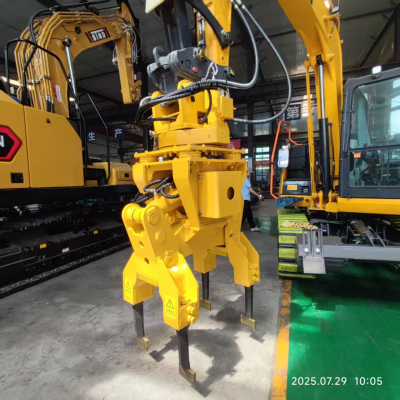
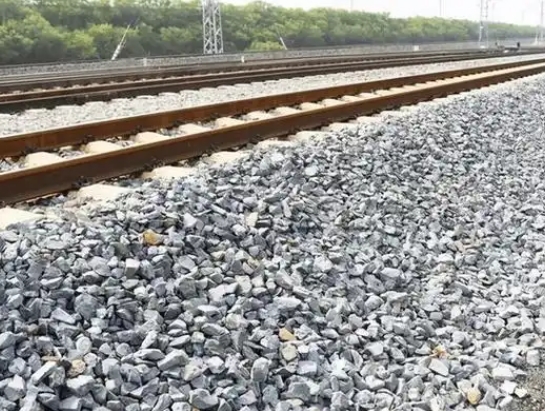
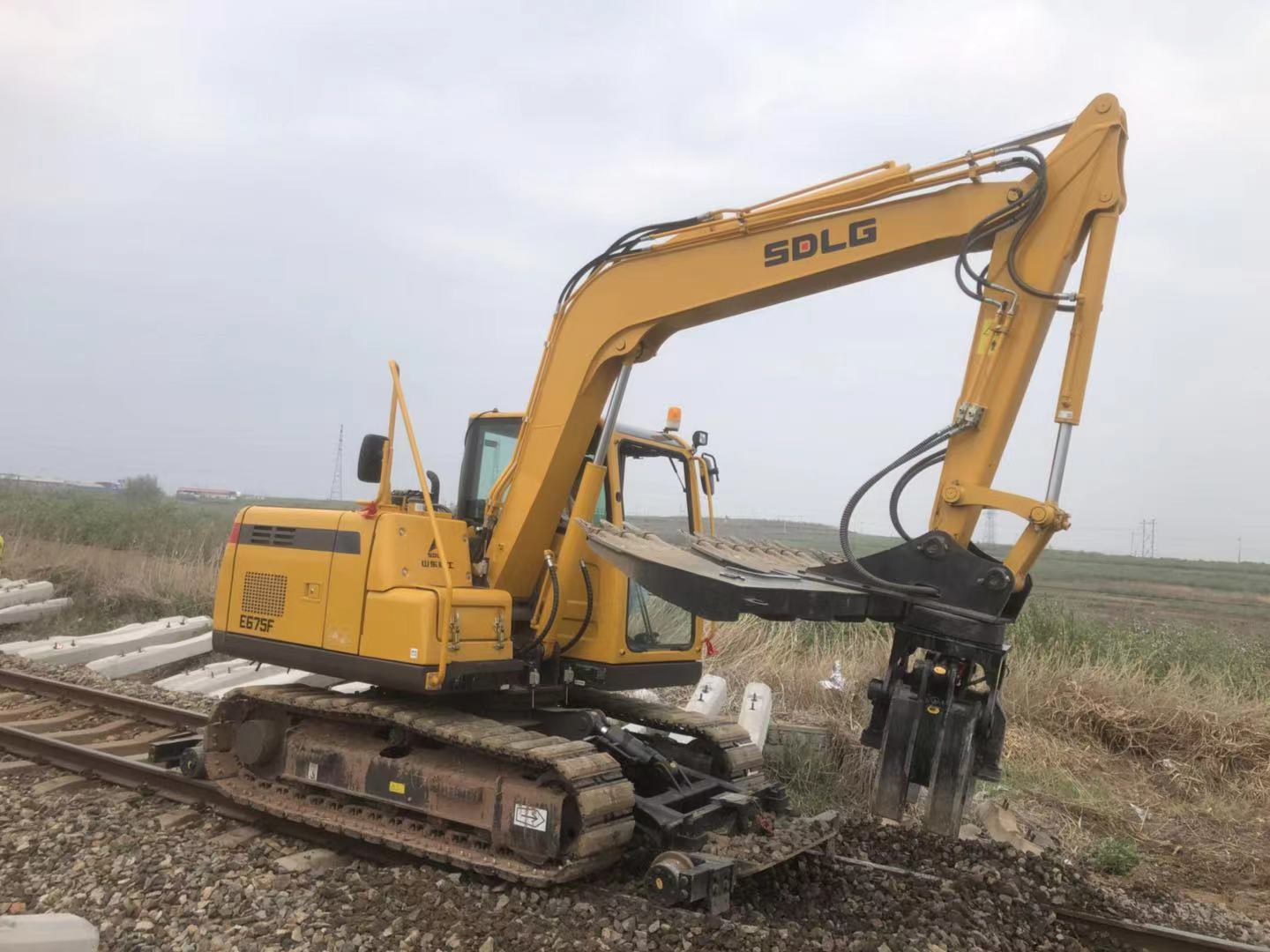
Railway ballastis the layer of crushed rock on which railroad tracks sit, serving as the critical foundation of modern railroad infrastructure. This rough angular aggregate, usually granite, wapnyak or basalt, forms the fundamental support structure that distributes train loads, facilitates drainage and maintains track alignment through countless maintenance cycles. While maintaining these important components of railway systems, specialized equipment such as a ballast plow for railway excavators becomes necessary for railway operators. These purpose-built fixtures are installed on standard excavators, turning them into precision tools capable of efficiently redistributing, shaping and grading ballast material near and between railroad tracks. The complex relationship between quality ballast material and proper maintenance practices directly impacts route length, operational safety and life cycle costs in passenger and freight networks around the world, making ballast management the cornerstone of effective Jell-O engineering and maintenance protocols.
Functions of railway ballast
Load distribution and route stability
The main purpose of railway ballast is to distribute concentrated loads from passing trains over a wider area of the main unit. When heavy rail vehicles cross the rails, they generate enormous vertical, lateral and longitudinal forces that deform and damage the subgrad without proper distribution. Quality ballast creates a stable foundation that absorbs and dissipates these multi-directional stresses while maintaining geometric alignment of the route. The carbon, interlocking nature of the ballast stones provides mechanical stability through particle interlocking, preventing excessive track movement under dynamic loading conditions.
The ability of ballast shrimp to resist lateral and longitudinal track shear, known as cart resistance, directly affects the parametersoperational safety. Insufficient lateral resistance can cause the line to flex during temperature fluctuations, while insufficient longitudinal resistance affects stopping distances and acceleration capabilities. After maintenance with equipment such as a railroad shovel ballast plow, proper consolidation of the ballast layer restores these resistive properties. Modern ballast designs include specific
gradation profiles that optimize both load distribution characteristics and displacement resistance, balancing seemingly conflicting requirements through precisely engineered particle size distribution and material selection.
Drainage facility
Railroad ballast serves as an engineered drainage system that quickly directs water away from railroad structures. The empty spaces between individual ballast particles create interconnected drainage paths that prevent water from accumulating around the rails and backrests. This drainage feature protects trails from two major water-related threats: sub-hail mitigation and frost rise. When water saturates the subgrade under the rails, it reduces the load-bearing capacity and accelerates settlement of the rails. In colder climates, trapped water can freeze and expand, distorting the path geometry through frost lifting mechanisms.
In addition to protecting against moisture damage, effective ballast drainage significantly extends the life of components throughout the rail structure. Wood hoses remain vulnerable to rotting when exposed to moisture for long periods of time, while metal components face accelerated corrosion in wet conditions. Even concrete sleeping bags experience degradation due to freeze-thaw cycles in water-saturated conditions. Specialized maintenance, such as a railroad shovel ballast plow, helps restore proper ballast profiles after contamination has reduced drainage capacity, restoring the ballast's hydrologic function. Engineers carefully balance ballast gradations between particles large enough to maintain adequate void spaces and particles small enough to ensure stability.
Layers and placement
Ballast classification and material requirements
Railroad ballast specifications include precise grading requirements that determine performance characteristics in field applications. Standard ballast typically ranges from 28mm to 50mm in particle size, creating void spaces large enough for drainage while maintaining structural integrity. Quality ballast material must demonstrate exceptional resistance to crushing, abrasion, weather and chemical degradation through standardized testing protocols. Material hardness, often measured through Los Angeles abrasion tests, predicts how particles will withstand the crushing forces exerted during rail blasting operations and train passages. Loopiness and elongation indices limit the percentage of irregularly formed particles that can reduce interlocking efficiency or break under load.
The carbon shape of the ballast particles is especially important for track stability, and crushed stone provides superior blocking compared to natural round gravel. Geological source selection significantly influences ballast performance, as magnetic rocks such as granite and basalt typically offer superior strength compared to sedimentary alternatives. Material purity standards limit the presence of fine particles that can impede drainage functions over time. When maintaining ballast profiles with equipment such as a railroad shovel ballast plow, operators must take care to maintain these carefully designed material characteristics while restoring proper cross-sectional geometry and eliminating contamination that reduces void space.
Structural profile and cross sections
Railway ballast should bespecific design profiles designed to optimize performance across multiple parameters. The ballast section usually extends beyond the width of the rail, creating shoulders that provide lateral support against the movement of the rail. Standard ballast depths range from 200mm to 300mm under substrates, with variations depending on traffic volume, axle loads and substrate conditions. This depth ensures adequate load distribution while providing sufficient material for maintenance such as tuning and profiling. Cross-section designs include precisely calculated slopes that balance drainage requirements with material stability considerations.
The correct ballast profiles make maintenance operations easier while extending service intervals between major repairs. By using equipment such as a railroad shovel's ballast plow, operators restore these engineered profiles that may have been degraded by ballast migration or settlement. The crown profile between the rails encourages water to spill toward the side grooves, while the slopes of the arms prevent material from migrating away from the rail structure. Modern high-speed railways often implement precisely engineered ballast profiles with tightly controlled tolerances to support the strict geometric requirements of faster operations. The advanced route design includes ballast sensing systems that continuously monitor profile conditions, allowing data-driven maintenance planning before geometric parameters exceed tolerances.
Maintenance and Calls
Ballast degradation and fowling
Despite its robust construction, railway ballast gradually degrades through several mechanisms that reduce its effectiveness over time. Mechanical degradation occurs when individual particles break under repeated stress cycles, creating smaller fragments that fill the voids between larger stones. This particle disintegration is accelerated in degree transition curves and regions where dynamic forces are intensified. External contamination from sources such as coal dust, spilled cargo and infiltration into the sub-haul further contributes to the reduction of void space. When the voids are sufficiently filled, typically 30-40% contaminated by volume, the ballast reaches a contaminated state requiring intervention to restore functionality.
Problematic ballast exhibits severely reduced drainage capacity, reduced load distribution capabilities, and reduced road resistance. The transition from clean to moderately contaminated ballast to highly contaminated ballast represents the natural life cycle of rail materials under operational conditions. Regular maintenance using equipment such as a railroad shovel ballast plow can extend functional life by redistributing cleaner material and removing surface contamination before it penetrates deeper layers. Advanced deterioration eventually requires more intensive interventions such as ballast cleaning or complete replacement to restore engineering properties. Monitoring techniques, including ground penetration radar and ballast sampling, help maintenance planners identify contaminant conditions before they harm route performance.
Maintenance methods and equipment
Railroad operators use a variety of maintenance strategies to extend ballast life and restore functionality throughout the maintenance cycle. Loading operations reorient the tracks while reconsolidating the ballast under the backrests, addressing localized settlement issues before they impact ride quality. Ballast adjusters restore proper cross-sectional profiles after removal displaces material from under the rail. For broader ballast profile reconditioning between scheduled major maintenance cycles, specialized mounts such as the Railroad Shovel Ballast Plow provide flexible, cost-effective solutions for smaller operations or areas with limited access.
When contamination reaches advanced stages, ballast cleaning machines excavate, screen and return cleaned material to the rail structure, removing accumulated fines that undermine drainage and stability. This recutting process renews the properties of the ballast without complete replacement, representing a sustainable approach to material management. Complete ballast replacement becomes necessary when degradation progresses beyond the point where cleaning remains economically viable. Modern maintenance scheduling uses condition-based approaches rather than fixed time intervals, optimizing resource allocation while minimizing traffic disruption. Equipment selection balances maintenance efficiency with operational constraints such as track ownership time and access restrictions.