
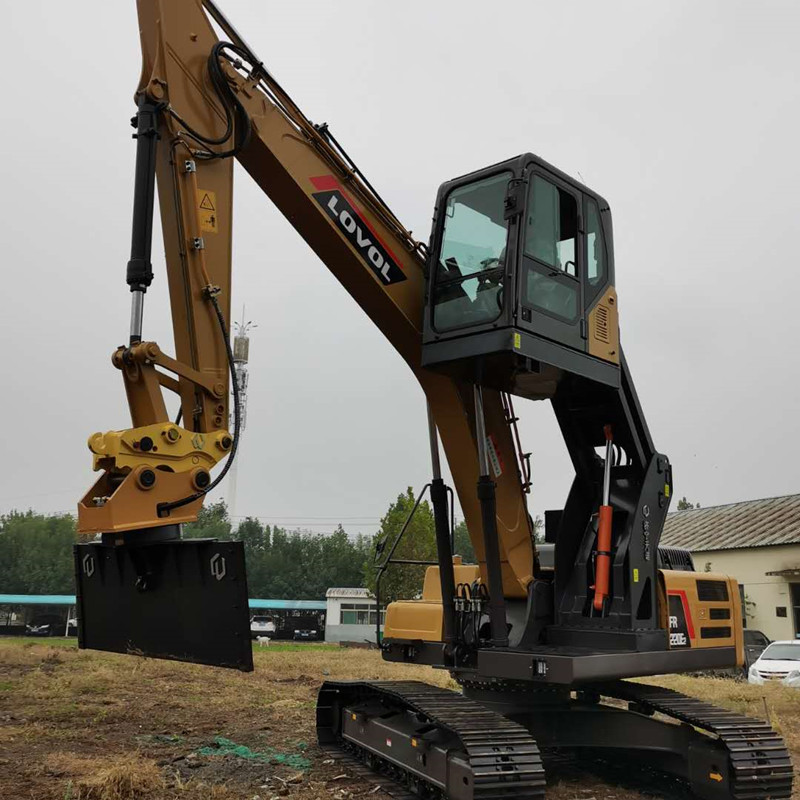
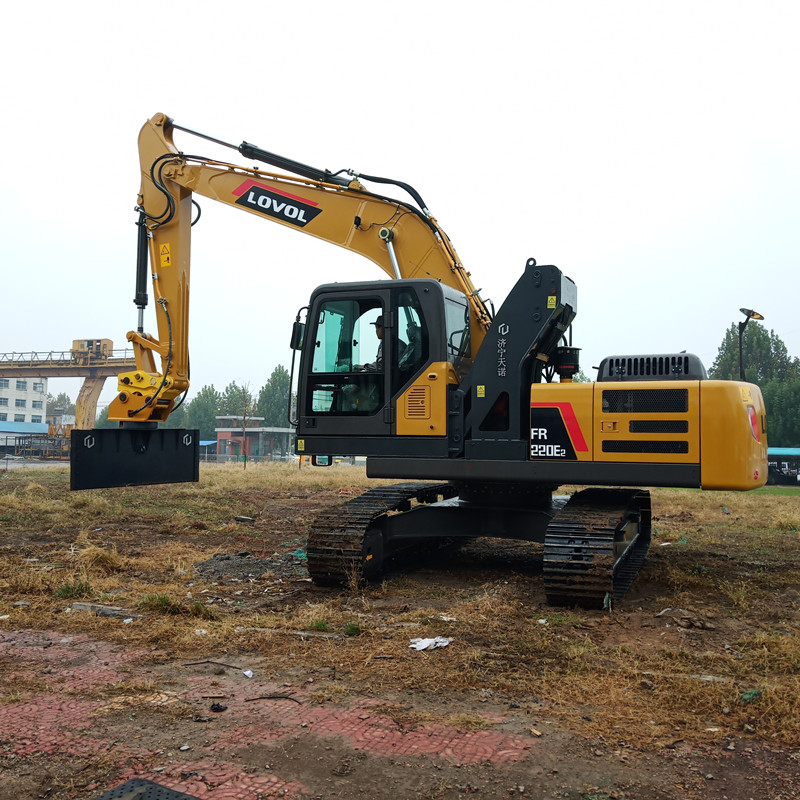
Lifting cabin for excavators
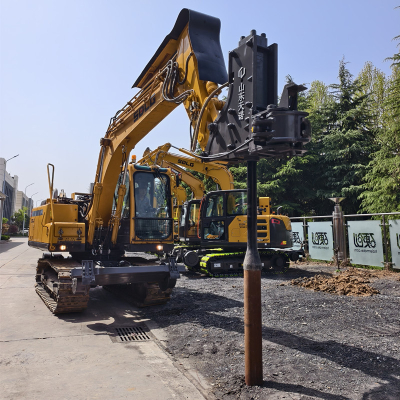
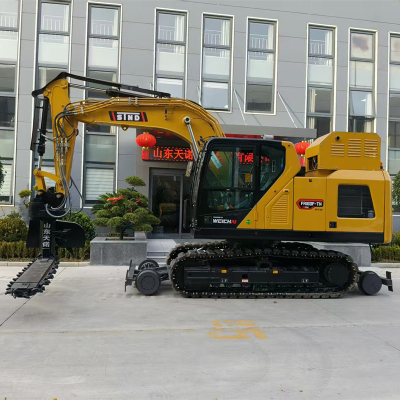
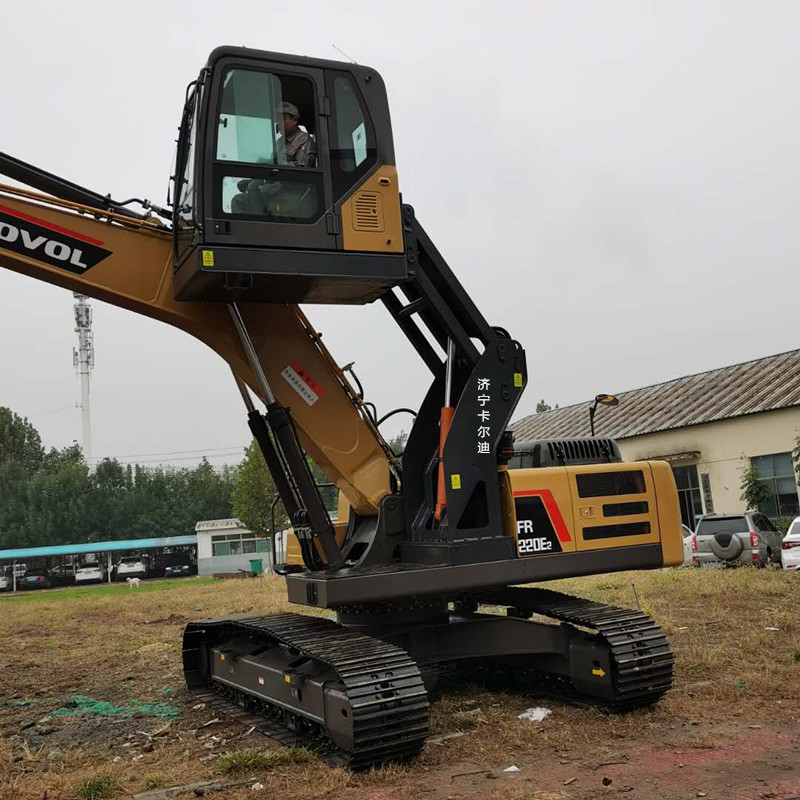
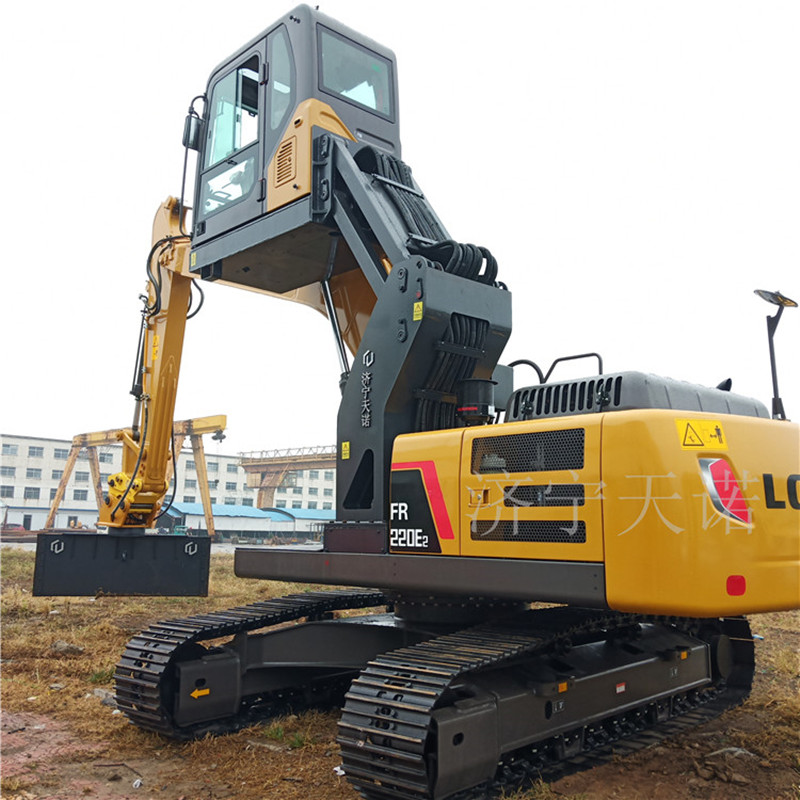
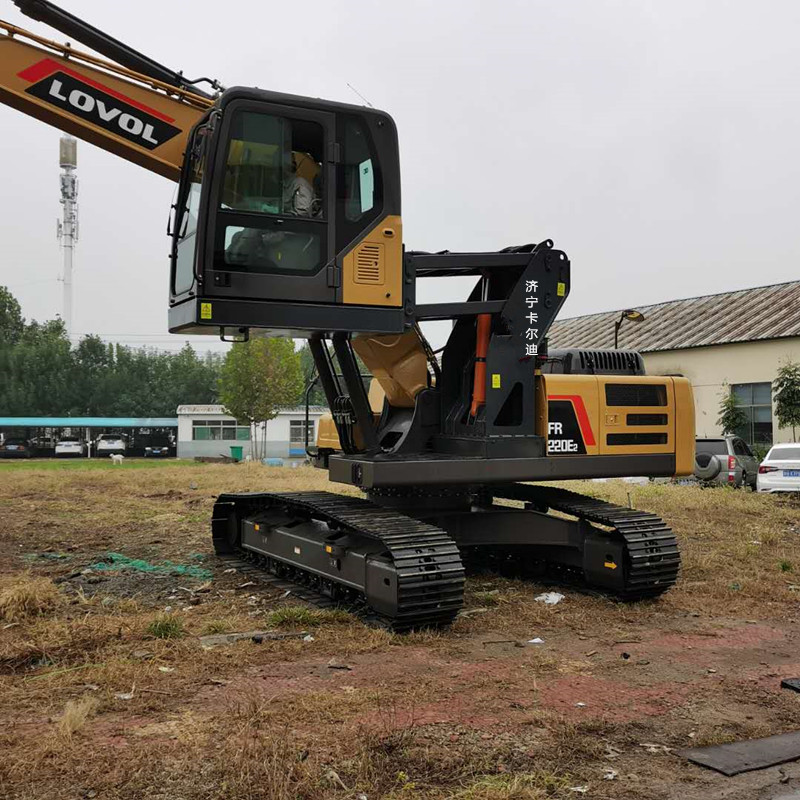
The excavator's elevating cab improves the driver's visibility, increasing safety and reducing the difficulty of the job. A hydraulic cylinder adjusts the height of the cab, expanding the field of vision and ensuring excavator stability. The cab upgrade improves comfort, functionality and operating efficiency, reducing operating costs and improving productivity on construction and mining sites.
The lifting cabin of the excavator is a specially designed construction equipment. The cabin can rise and fall using a hydraulic system, which is convenient for adjusting the field of view and working height in various working scenarios. This type of excavator is more suitable for scenarios requiring accurate operations at altitude, such as leveling railway warehouses and aligning coal at carbon warehouses. The height of the cockpit can be configured in accordance with the needs, providing a wider field of view and higher operational flexibility. In addition, the lifting cabin is usually equipped with a double cylinder and a four -piercing structure to ensure the stability and smoothness of the rise process.
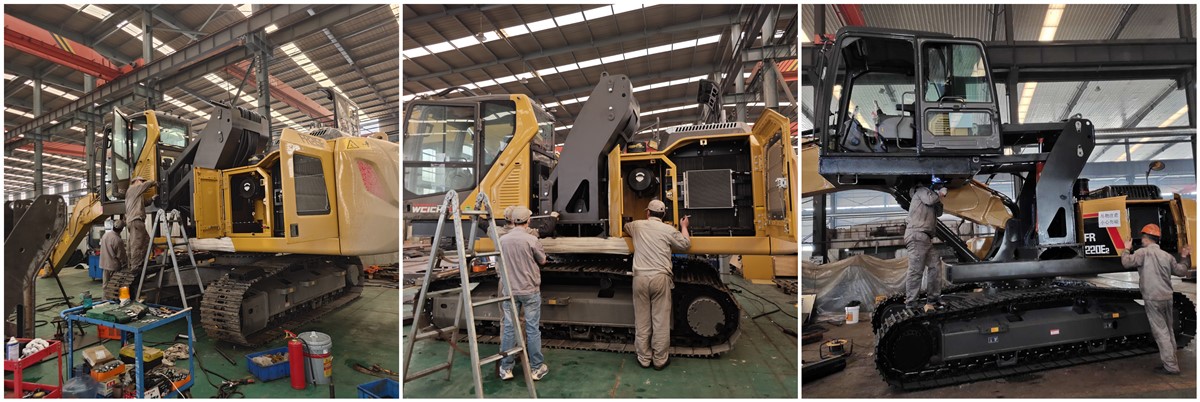
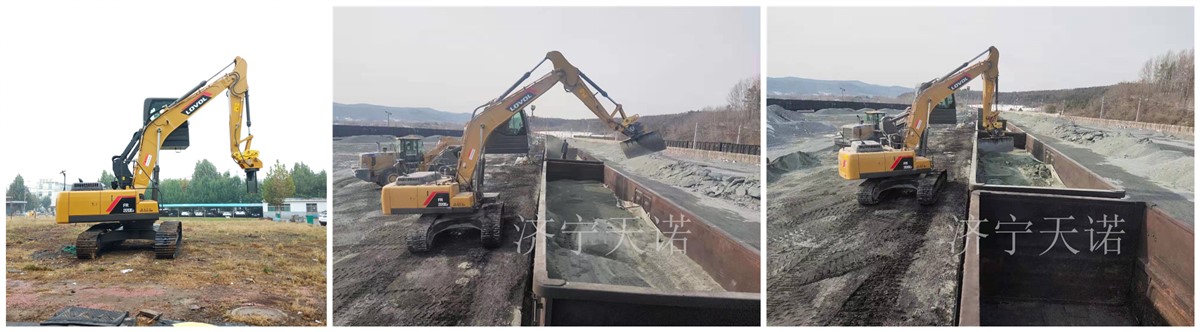
The scenario of application
High -rise work environment
1. Demolition of buildings: When demolishing high -rise buildings, the lifting cab can raise the operator to a higher position, directly observe the demolition point and avoid blind areas.
2. Bridge construction/repair: Convenient to get better visibility when working under high bridge piers or bridge decks.
Loading and unloading in the port: When working in container yards or when handling large volumes of material, the operator has a clear view of the work area.
Working on difficult terrain
3. Mining: When working in deep quarries or on slopes, the elevating cabin helps the operator avoid obstacles (such as large ore piles) and plan the extraction path.
4. Reclamation: When working on weak ground or uneven surface, raising the cab can reduce the impact of machine body shaking on work.
5. Scenarios requiring increased security
Operations in hazardous areas: such as chemical zones, rubble rescue, etc., the aerial platform can be kept away from ground hazards (e.g. chemical spills, unstable structures).
Flood Prevention and Rescue: In swampy or muddy conditions, avoid rising water levels that pose a safety risk to operators.
Precise operating requirements
Pipeline Laying: When precise control of excavation depth is required, the lift view makes it easy to monitor the alignment of the trench.
Landscaping: When pruning or replanting large trees, avoid allowing the view to be obstructed by tree canopies.
| Technical parameters of the lifting cabin for excavators | |||||
| Parameter | Unit measurements | Weaving | TNSJ150 | TNSJ200 | TNSJ260 |
| Adapted capacity | tons | 7-9 | 13 - 50 | 15 - 50 | 20 - 50 |
| Lifting stroke | mm | 1500 | 2500 | 3000 | 3200 |
| Max. cabin height above ground | mm | 2500 | 3700 | 4200 | 4400 |
| Visibility area | mm | 3800 | 5000 | 5500 | 5700 |
| Emergency system | - | provided | provided | provided | provided |
| Number of lifting cylinders | pcs. | 2 | 2 | 2 | 2 |
| Weight | kg | 1200 | 1500 | 1700 | 1800 |
| Note: Apart from the lifting cabins, we can also supply excavators with lifting cabins. | |||||