
What type of tamper is used for railway ballast
The tamping of crushed stone under railway tracks is a critical process in track maintenance, and high vibration hydraulic ballast rammer is the preferred choice. This advanced equipment combines hydraulic power and high-frequency vibration to effectively compact and stabilize aggregate under railway tracks. Using these innovative machines, railway crews can ensure optimal track geometry, improve safety, and extend the life of railway infrastructure.
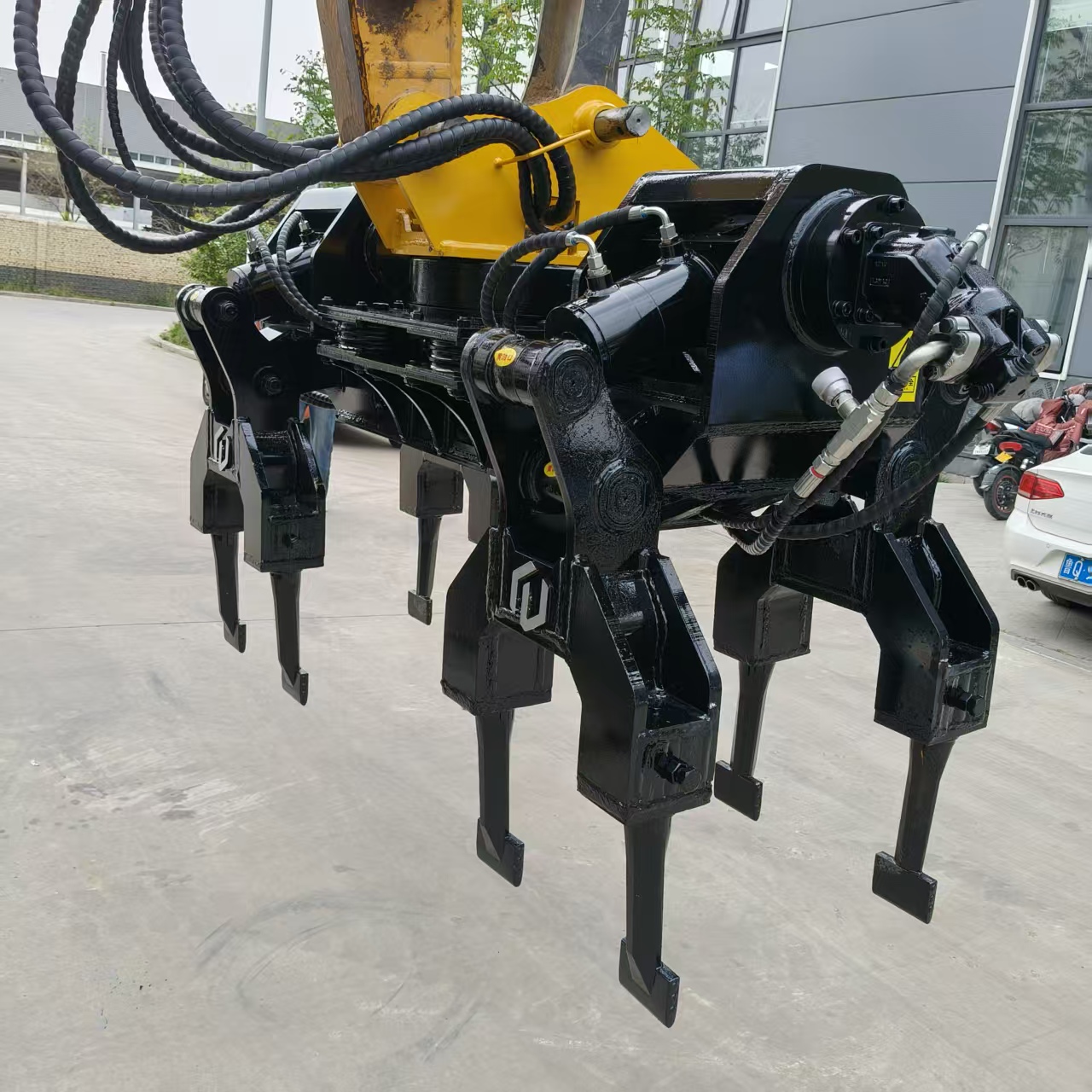
Hydraulic ballast rammers
Advanced hydraulic systems for precise compaction
Hydraulic ballast compactors revolutionized railway maintenance. These machines use the power of fluid dynamics to provide precise and controlled force during the compaction process. Hydraulic systems provide fine tuning, ensuring that each compaction cycle is optimized for specific track conditions.
One of the key advantages of hydraulic tamping machines is their ability to maintain constant pressure throughout the tamping process. This stability is critical to uniform compaction of the ballast, which directly affects the stability and longevity of the track. Hydraulic systems also allow operators to quickly adjust compaction depth and pressure, adapting to changing ballast conditions along the track.
Efficient ballast compaction using hydraulic power
The efficiency of hydraulic ballast compactors is unmatched in track maintenance. These machines can exert significant force on ballast, effectively redistributing and compacting stones, creating a solid track foundation. Hydraulic power allows for rapid tool changes, significantly reducing the time required for each section of track.
Moreover, the hydraulic systems of these rammers are designed for durability and reliability. They withstand the harsh conditions of continuous operation, minimizing downtime and maximizing productivity. This efficiency translates into cost savings for railway companies and reduced disruptions to train schedules during maintenance.
Improved track stability thanks to hydraulic compaction
Track stability is of paramount importance to ensure safe and comfortable railway travel. Hydraulic ballast tampers play a critical role in achieving and maintaining this stability. By applying precise, controlled force to the ballast, these machines create a uniform and well-compacted base under the tracks. This results in improved load distribution and reduced track settlement over time.
Hydraulic tamping also helps restore the correct track geometry, eliminating any irregularities caused by train traffic or environmental influences. This not only improves safety, but also contributes to a smoother passenger experience and reduced wear and tear on rolling stock.
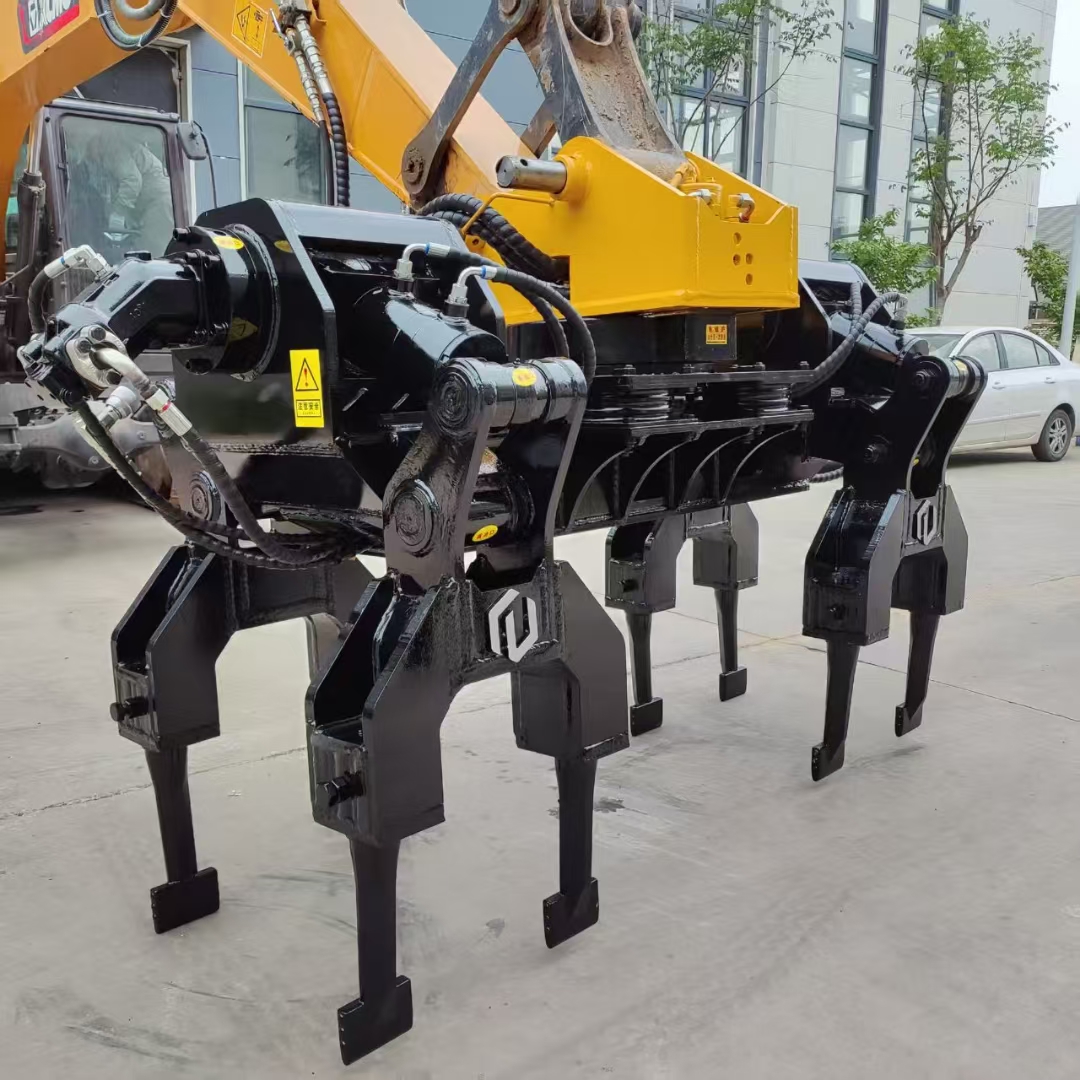
High vibration rammers
Improved ballast consolidation using vibration technology
High vibration rammersThey take crushed stone compaction to a new level by using advanced vibration technology. These machines employ powerful vibrators that generate high-frequency vibrations, typically in the range of 30 to 45 Hz. When applied to crushed stone, these vibrations cause individual stones to compact, forming a denser and more stable configuration.
Vibration technology is particularly effective when working with compacted or contaminated ballast. High-frequency vibrations break up clumps and remove fine particles, ensuring improved drainage and a more uniform aggregate surface. Improved compaction increases track stability and reduces the need for maintenance over time.
Faster compaction operations using high frequency vibrations
Speed is crucial in railway maintenance, and high-vibration rammers deliver impressive results. The combination of hydraulic power and high-frequency vibration allows these machines to compact aggregate faster and more efficiently than traditional methods. This increased efficiency allows for shorter work intervals and reduced disruption to train traffic.
The high compaction speed of these machines also allows for the maintenance of a large track area in a single shift. This is especially important for busy railway corridors where maintenance time is limited. High-vibration technology ensures thorough compaction even while reducing compaction time per sleeper, maintaining quality and increasing overall productivity.
Reducing track maintenance costs thanks to vibration compaction
One of the most significant advantages of vibratory compactors is their ability to reduce the frequency of track maintenance. The superior compaction achieved by vibratory compaction ensures a more stable track structure, capable of withstanding the loads of rail traffic over long periods.
Reducing the frequency of maintenance not only saves railway operators money but also minimizes disruptions to train schedules. Furthermore, improved track quality thanks to vibration compaction helps reduce wear and tear on both tracks and rolling stock, further extending the lifespan of railway assets.
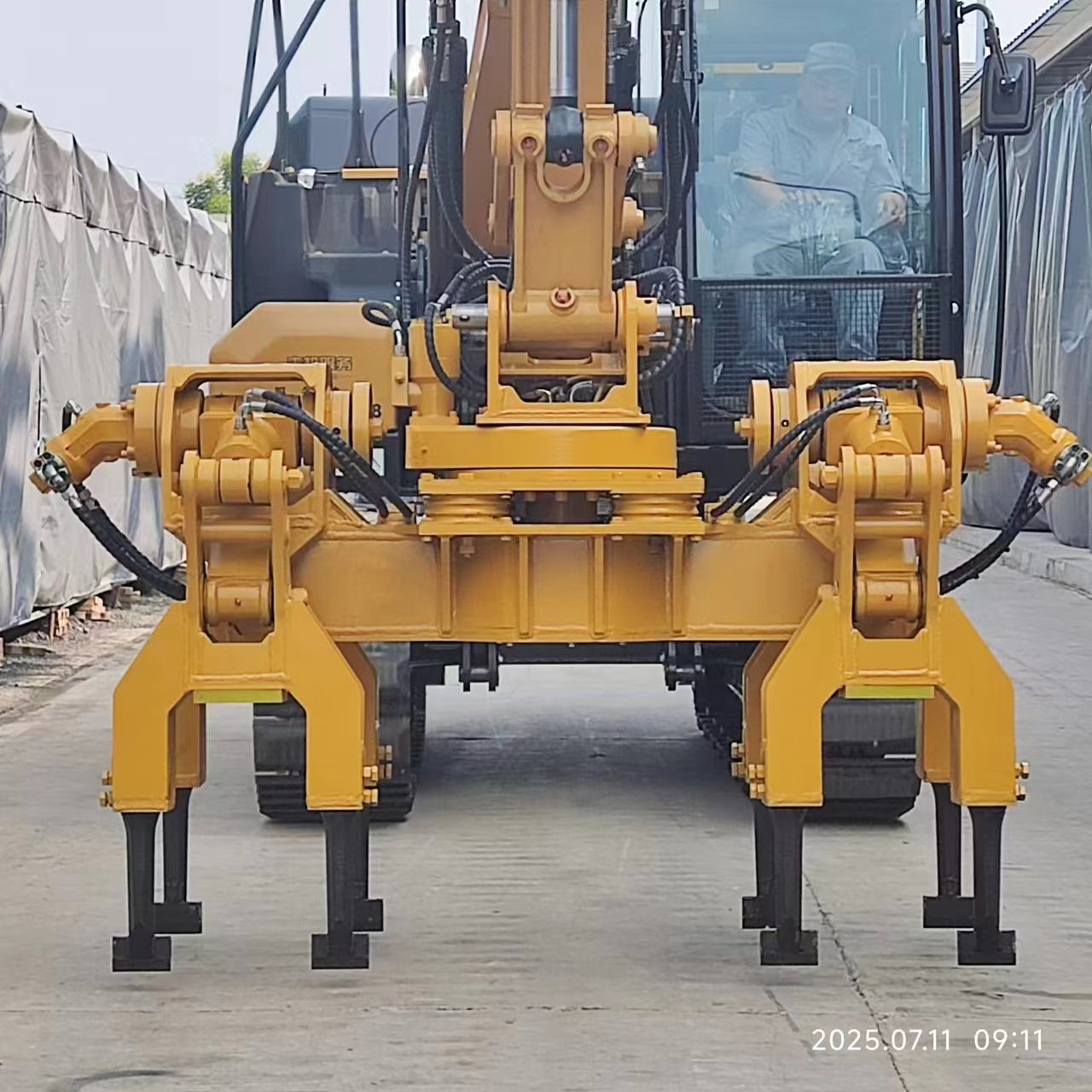
Types: Modular tampers with 4 and 8 legs
Universal 4-jaw rammers for various road conditions
The compactor's four-arm design provides a balance of versatility and efficiency, making it suitable for a wide range of track maintenance applications. These rammers are usually equipped with two pairs of tamping feet, each working on one side of the rail. The four-arm configuration provides precise compaction around sleepers and is especially effective in areas with tight clearances or complex track geometries.
One of the key advantages of four-jaw rammers is their ability to adapt to varying crushed stone conditions and sleeper spacing. The reduced number of arms compared to larger models provides greater positioning flexibility and can be useful when working on tracks with uneven sleeper spacing or in difficult to reach areas.
High-performance 8-jaw rammers for large railway projects
For large scale track maintenance and new track construction8 jaw rammers provide unmatched efficiency and performance. These machines are equipped with four pairs of tamping arms, allowing them to work on both sides of two adjacent sleepers at the same time. This configuration significantly increases ramming speed, making 8-jaw rammers an ideal solution for long stretches of open track or capital improvement projects.
The increased compaction capacity of 8-jaw models ensures faster completion of work and reduced track holding time. This is especially valuable in high-traffic areas where minimizing train disruptions is critical. In addition, the wider working area of 8-jaw rammers often ensures that ballast is compacted more evenly throughout the track, helping to improve long-term stability.
Modular design for ease of maintenance and setup
Both four-leg and eight-leg rammers are often modular in design, which provides significant advantages in terms of maintenance and customization. The modular approach allows worn or damaged components to be quickly replaced, reducing downtime and simplifying repairs. This design concept also allows operators to tailor the compaction configuration to specific project requirements or track conditions.
Modularity extends to the tamping units themselves, with many modern machines allowing you to easily switch between four- and eight-foot configurations. This flexibility allows maintenance crews to optimize equipment for different track sections or different job volumes without the need for multiple specialized machines.